Pappu Yadav slams Centre over Nepal policy and Bihar flood aid
Synopsis
Purnea MP Pappu Yadav turned up the heat on the Modi government on multiple fronts simultaneously — accusing it of ignoring Bihar's flood victims while recognising a Gen Z-driven regime change in Nepal but sheltering Bangladesh's ousted Sheikh Hasina. The contrast he drew between India's foreign-policy flexibility and its alleged domestic crackdown on young protesters is politically pointed and hard to dismiss.
Key Takeaways
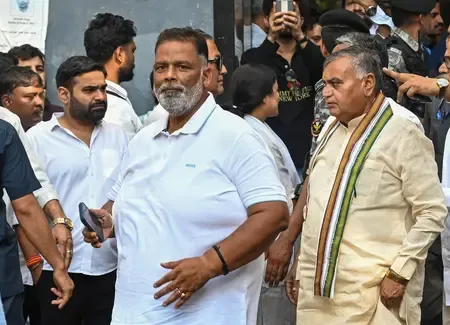
Purnea MP Rajesh Ranjan (Pappu Yadav) held a press conference in Purnea on 17 October , attacking the Centre on multiple issues.
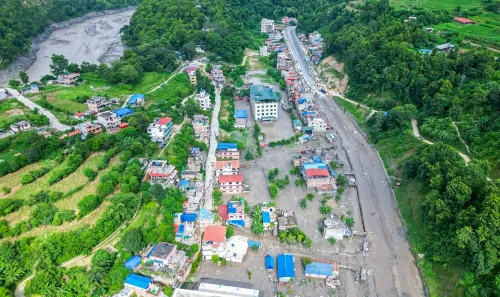
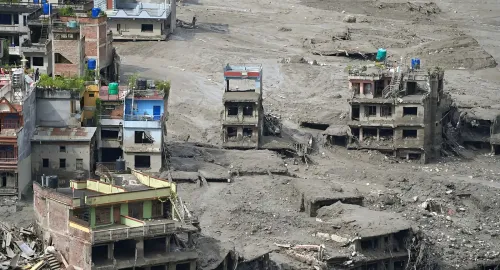
He alleged the Prime Minister assisted Nepal during floods but announced no comparable aid for Bihar 's flood victims.
Yadav questioned why India sheltered Sheikh Hasina after recognising a Gen Z-led regime change in Nepal .
He claimed over one lakh security personnel were deployed in New Delhi , with metro and train services suspended and internet restricted in areas — allegations not independently verified.
Yadav clarified his questions on Nepal were personal and did not represent the Indian National Congress .
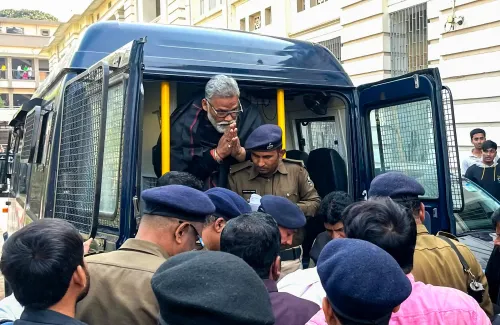
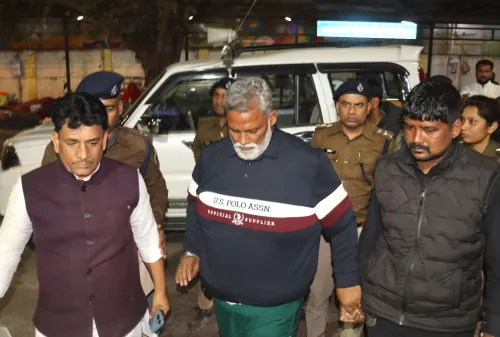
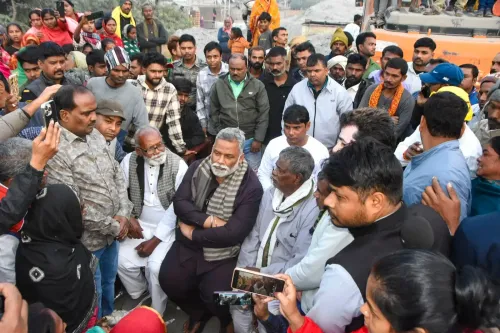
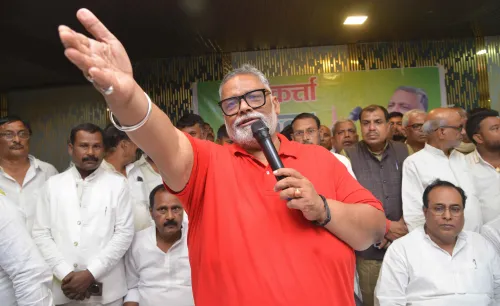
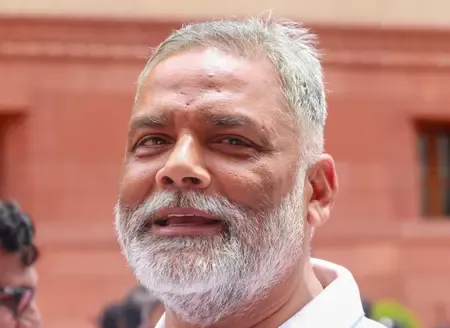
Purnea MP Rajesh Ranjan, popularly known as Pappu Yadav, on Saturday, 17 October launched a sharp attack on the Narendra Modi government, questioning its foreign policy stance toward Nepal and Bangladesh while accusing the Centre of neglecting flood-hit Bihar. Speaking at a press conference in Purnea, Yadav raised multiple allegations — from inadequate disaster relief to the treatment of protesters in New Delhi.
Bihar Floods and Alleged Lack of Central Aid
Yadav alleged that the Prime Minister had extended financial assistance to Nepal during its floods but had not announced any comparable aid for the people of Bihar despite ongoing devastating floods. He further claimed that the Prime Minister had neither issued a public statement nor posted on social media to console the families of flood victims in the state.
'The Prime Minister found time to assist Nepal during floods, but Bihar's flood victims are still waiting,' Yadav said, according to reports from the press conference. His allegations regarding the absence of Central flood assistance were not independently verified.
Questions on Nepal and Bangladesh Policy
Referring to Gen Z-led political upheavals in both Nepal and Bangladesh, Yadav questioned the consistency of India's foreign policy response. He noted that the Modi government had recognised the new government in Nepal following a change of regime triggered by Gen Z protests, but had sheltered former Bangladesh Prime Minister Sheikh Hasina after a similar movement forced her out.
'When the Gen Z protest happened in Nepal, followed by a change of regime, the Narendra Modi government recognised the government of Nepal. When the Gen Z protest happened in Bangladesh, why did it provide shelter to Sheikh Hasina?' he asked.
Yadav also raised the question of whether the Indian government had any role in the political upheaval in Nepal, while specifically clarifying that the question was his own and did not represent the position of the Indian National Congress.
Delhi Protests and Crackdown Allegations
Drawing a contrast with India's recognition of the Balen Shah government in Nepal, Yadav questioned why Delhi Police and paramilitary forces were allegedly using force against Gen Z protesters in New Delhi. He also criticised the alleged treatment of women protesters during demonstrations in the national capital.
'If the Narendra Modi government has recognised the Balen Shah government in Nepal, then why are Delhi Police and other paramilitary forces allegedly using force against our Gen Z protesters in New Delhi?' he asked.
Yadav claimed that over one lakh police and security personnel had been deployed in the capital, effectively turning it into what he described as a 'cantonment.' He further alleged that train and metro services had been suspended, internet access had been restricted in selected areas, and activists had been detained or placed under house arrest for participating in demonstrations and displaying the national flag. These specific claims were not independently verified.
Context and Political Background
Yadav's remarks came amid wider controversy over reported police action against protesters in New Delhi. The Purnea MP has been a vocal critic of the Centre's handling of both domestic and foreign policy matters. Notably, this is not the first time opposition leaders have drawn parallels between India's foreign policy positions and its domestic response to civil unrest.
His comments on Bangladesh also resonate in the broader context of India-Bangladesh relations, which have been under strain following the political transition in Dhaka. How the Centre responds to these multiple allegations — on flood relief, protest management, and foreign policy — will likely shape further political debate as Bihar heads deeper into flood season.
Point of View
He is attempting to connect local grievance with national hypocrisy. The contrast he draws is politically potent: India recognised a Gen Z regime change in Kathmandu but allegedly cracked down on similar youth energy in Delhi. What mainstream coverage may miss is that Yadav's explicit disclaimer — distancing his Nepal question from the Congress — signals internal opposition-party fault lines even as he attacks the Centre. His claims about security deployment and internet shutdowns remain unverified, which will be the government's easiest line of defence.
NationPress
17 Oct 2026
Frequently Asked Questions
What did Pappu Yadav allege about Bihar flood relief?
Pappu Yadav alleged that the Prime Minister extended financial assistance to Nepal during floods but announced no comparable aid for Bihar's flood-affected population. He also claimed the PM had not issued any public statement or social media post to console Bihar flood victims. These allegations were not independently verified.
What was Pappu Yadav's criticism of India's Nepal and Bangladesh policy?
Yadav questioned why the Modi government recognised the new Gen Z-driven government in Nepal but provided shelter to former Bangladesh Prime Minister Sheikh Hasina after a similar movement ousted her. He also asked whether India had any role in the political upheaval in Nepal, while clarifying the question was personal and not a Congress position.
What did Pappu Yadav allege about the treatment of Delhi protesters?
Yadav alleged that over one lakh police and paramilitary personnel were deployed in New Delhi, metro and train services were suspended, internet was restricted in select areas, and activists were detained for participating in demonstrations or displaying the national flag. He also criticised the alleged treatment of women protesters. These specific claims were not independently verified.
Who is Pappu Yadav and why does his statement matter?
Pappu Yadav, whose legal name is Rajesh Ranjan, is the Member of Parliament from Purnea, Bihar, and a prominent opposition voice on Bihar-specific issues. His remarks carry political weight in Bihar, particularly on matters of flood relief and Centre-state relations, and come ahead of ongoing political mobilisation in the region.
Did Pappu Yadav speak on behalf of the Congress party?
No. Yadav explicitly clarified that his questions regarding India's role in the political developments in Nepal were his own and had nothing to do with the Indian National Congress. This distancing is notable given Bihar's complex coalition politics.