Sharad Pawar questions 7.8% GDP growth, accuses Centre of data manipulation
Synopsis
Sharad Pawar's Baramati broadside against the Centre's 7.8% GDP claim is more than opposition noise — it lands as economists, including a former Finance Secretary, have independently questioned the methodology behind India's headline growth figure. With Maharashtra elections approaching and inflation biting, the GDP number is fast becoming a political battleground.
Key Takeaways
Sharad Pawar on 3 September accused the Centre of 'manipulating' statistical methods to project a false picture of economic health.
The Centre reported 7.8 per cent GDP growth for the April–June quarter ; Pawar and the opposition contest its accuracy.
Former Finance Secretary Subhash Chandra Garg has reportedly raised concerns that the current GDP methodology inflates the growth rate.
MoSPI and Union Minister Kiren Rijiju have firmly defended the data, dismissing opposition allegations.
Pawar also flagged Maharashtra's severe rainfall deficit, rising sugar prices not benefiting farmers, and milk price hikes from ₹60 to ₹80 per litre .
Prime Minister Narendra Modi is reportedly expected to visit Baramati around 16 October .
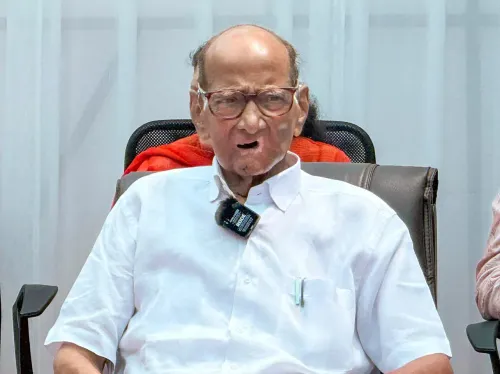
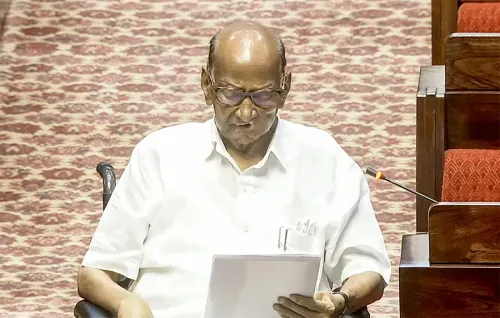
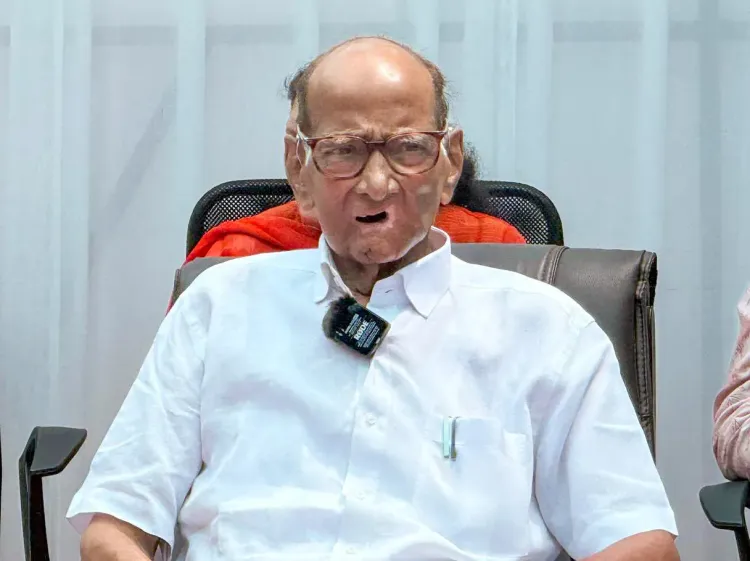
Nationalist Congress Party (SP) chief Sharad Pawar on Thursday, 3 September accused the Centre of 'manipulating' statistical methods to conceal rising inflation and mask a struggling real economy, sharply contesting the Union government's claim of 7.8 per cent GDP growth for the April–June quarter. Pawar made the remarks while speaking to reporters in Baramati, calling the official data a misleading projection of economic health.
Pawar's Core Allegations
Sharad Pawar trained his criticism directly at the Prime Minister and the Finance Minister, alleging that the administration was constructing a false narrative around the country's economic stability. 'The Prime Minister and Finance Minister are trying to project that the state of the economy is exceptionally sound, ignoring the core underlying problems. It appears they are failing to register that the economy is actually slowing down,' Pawar said.
He further alleged that the Prime Minister was leveraging international engagements to deflect public attention from domestic concerns — particularly high inflation and shrinking household savings.
Regional and Agrarian Concerns
Beyond the GDP debate, Pawar flagged several pressing local issues. On rising sugar prices, he argued that the gains were not trickling down to farmers despite higher production costs, and cautioned against sugar imports, citing uncertain outcomes. He welcomed recent anti-adulteration drives in Maharashtra's dairy sector led by Maharashtra FDA Commissioner Tukaram Mundhe, noting that while milk prices had risen from ₹60 to ₹80 per litre, consumers were willing to pay for improved quality — a development he said would ultimately benefit producers.
Pawar also sounded an alarm over severe rainfall deficits across Maharashtra, warning of an impending crisis affecting drinking water availability and sowing operations, and called for coordinated relief efforts.
Judiciary and Political Observations
Referencing recent Supreme Court observations on student protests and ongoing hearings on the Shiv Sena party name and symbol dispute, Pawar remarked that the judiciary's stern warnings underscored what he described as the government's flawed decision-making. He also indicated that Prime Minister Narendra Modi is likely to visit Baramati around 16 October, where a detailed presentation on local initiatives is expected to be made.
Broader Opposition Front and Government Pushback
Pawar's remarks coincide with a wider opposition offensive on the GDP methodology question. The Indian National Congress (Congress) has separately accused the government of playing a 'game of numbers', while economists — including former Finance Secretary Subhash Chandra Garg — have reportedly raised objections to changes in GDP calculation methods, asserting that the current approach inflates the headline growth figure.
The Union government has firmly rejected these claims. Union Minister Kiren Rijiju countered that Congress was unable to accept India's economic progress. The Ministry of Statistics and Programme Implementation (MoSPI) also defended its data protocols, asserting that the 7.8 per cent figure accurately reflects quarterly economic performance. With elections in Maharashtra on the horizon, the GDP dispute is set to intensify as a key political flashpoint.
Point of View
But it gains traction when credentialled voices — not just politicians — raise it. Subhash Chandra Garg's reported objections are harder to dismiss than partisan attacks, and MoSPI's defence, while procedurally sound, does not fully address the structural critique. What is missing from this entire exchange is a transparent, independent audit of the base-year revision and its downstream effects on the headline number. India's statistical credibility is a long-term asset; treating every methodology question as political attack risks eroding it.
NationPress
18 Oct 2026
Frequently Asked Questions
What did Sharad Pawar say about India's 7.8% GDP growth figure?
Pawar alleged that the Centre is manipulating statistical methods to project a false picture of economic health, arguing that the 7.8 per cent GDP growth figure for the April–June quarter masks rising inflation and a slowing real economy. He made these remarks to reporters in Baramati on 3 September.
Why are economists questioning India's GDP calculation methodology?
Former Finance Secretary Subhash Chandra Garg and other economists have reportedly raised objections to changes in how GDP is calculated, asserting that the current methodology inflates the headline growth rate. The Congress has also called it a 'game of numbers', though the government and MoSPI have defended the data as accurate.
How has the Union government responded to the GDP manipulation allegations?
The government has firmly rejected the allegations. Union Minister Kiren Rijiju said Congress was unable to accept India's economic progress, while MoSPI defended its data collection and calculation protocols, maintaining that the 7.8 per cent figure accurately reflects quarterly economic performance.
What regional issues did Sharad Pawar raise alongside the GDP criticism?
Pawar flagged a severe rainfall deficit across Maharashtra threatening drinking water and sowing operations, rising sugar prices that are not benefiting farmers, and milk price increases from ₹60 to ₹80 per litre. He also welcomed Maharashtra FDA Commissioner Tukaram Mundhe's anti-adulteration drives in the dairy sector.
Is PM Modi expected to visit Baramati?
According to Pawar, Prime Minister Narendra Modi is likely to visit Baramati around 16 October, where a detailed presentation on local initiatives is expected to be made to him.