BJP's Malviya fires back at Congress over economy, cites 7.6% growth and record GST
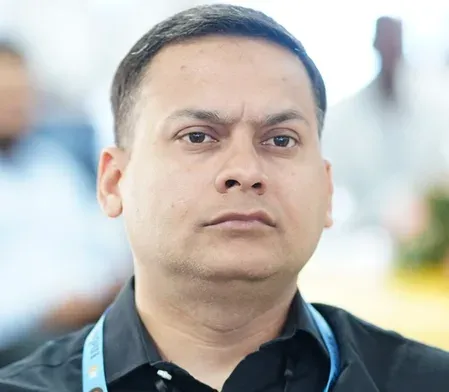
Synopsis
BJP's Amit Malviya turned a Congress critique of 'Modi-nomics' into a data offensive — citing a current account deficit of just 1% of GDP, inflation at 3.48%, forex reserves near $697 billion, and record GST collections. The exchange lays bare how economic statistics have become the sharpest weapon in India's political arsenal ahead of the next electoral cycle.
Key Takeaways
BJP leader Amit Malviya rebutted Congress 's Jairam Ramesh on 22 May over criticism of the Modi government 's economic record.
The World Bank , OECD , and IMF project India's growth at 7.6% in FY26 , with India remaining the fastest-growing major economy in 2026-27 .
India's current account deficit stands at 1% of GDP in the first three quarters of FY26, down from 4.8% in the 2013 crisis.
CPI inflation fell from roughly 10% in 2012-13 to 3.48% in April 2026 .
Forex reserves rose from $292 billion in March 2013 to nearly $697 billion in May 2026 .
GST collections hit a record ₹2.42 lakh crore in April 2026 .
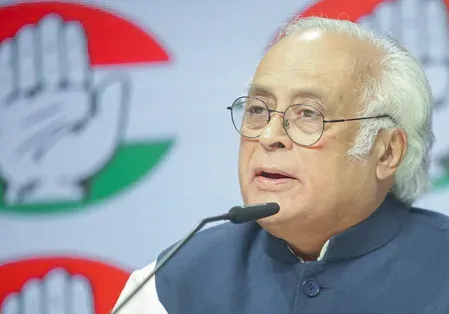
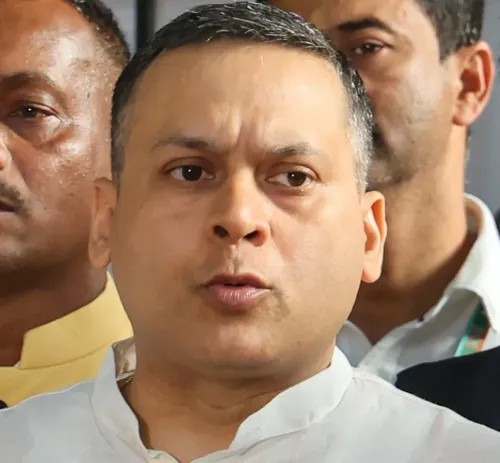
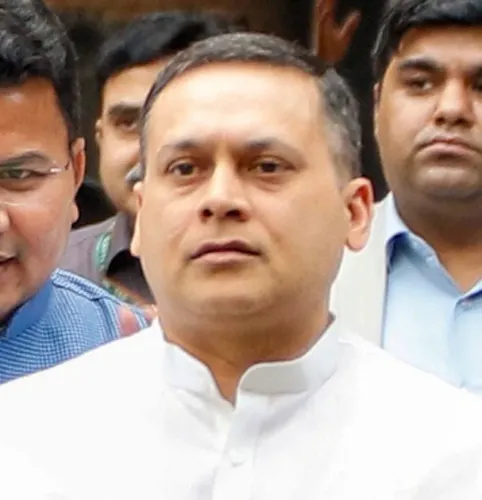
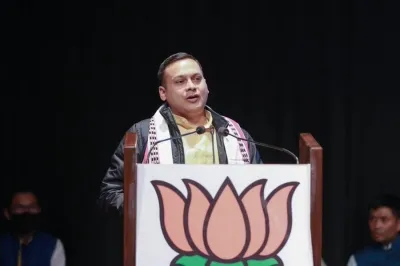
Bharatiya Janata Party (BJP) leader Amit Malviya on Friday, 22 May sharply rebutted Congress leader Jairam Ramesh's criticism of the Modi government's economic management, asserting that India remains the world's fastest-growing major economy and accusing the opposition of being 'far away from data, facts and context.'
What Triggered the Exchange
The political sparring was set off after Ramesh cited an article by economist Surjit Bhalla, calling it a 'damning indictment of Modi-nomics.' Malviya dismissed the framing, arguing that drawing a parallel between the current Indian economy and the 2013 'Fragile Five' moment was, in his words, 'historically and statistically absurd.'
'Calling this a damning indictment only shows how far the opposition has moved from data, facts and context,' Malviya posted on X.
Key Economic Indicators Cited by BJP
Malviya pointed to projections from the World Bank and the Organisation for Economic Co-operation and Development (OECD), both of which have forecast India's growth at 7.6 per cent in FY26. The International Monetary Fund (IMF), he added, expects India to remain the fastest-growing major economy in 2026 and 2027.
On the current account deficit, Malviya noted it stood at just 1 per cent of GDP in the first three quarters of FY26, compared with 4.8 per cent during the 2013 crisis. CPI inflation, which hovered near 10 per cent in 2012-13, had moderated to 3.48 per cent in April 2026. India's forex reserves climbed from roughly $292 billion in March 2013 to nearly $697 billion in May 2026, he said.
GST, Banking and Industrial Growth
The BJP leader also highlighted record GST collections of ₹2.42 lakh crore in April 2026, declining non-performing assets (NPAs) in public sector banks, and rising industrial output as further evidence of economic resilience. He cited the Production Linked Incentive (PLI) scheme, semiconductor investments, insurance sector reforms, and new trade agreements as indicators of growing investor confidence.
The Political Subtext
'The opposition needs a collapse narrative. The numbers and facts refuse to cooperate with Congress,' Malviya said. The exchange reflects an intensifying battle between the BJP and Congress over the economic legacy of the Modi government, with both sides selectively marshalling data to advance their respective positions. Notably, the Congress has not publicly responded to Malviya's specific data points as of the time of this report.
This comes amid a broader global environment of economic uncertainty, making India's relative growth performance a politically charged talking point heading into the next electoral cycle.
Point of View
Anchored in a single economist's article, equally sidesteps the structural improvements in banking and fiscal consolidation. What neither side addresses is the quality of growth: whether the 7.6% projection translates into broad-based employment and wage gains remains the more consequential question. The real indictment — or vindication — of Modi-nomics lies not in the headline growth rate but in the income and jobs data that both parties appear reluctant to front-load.
NationPress
6 Oct 2026
Frequently Asked Questions
What did BJP's Amit Malviya say about the Indian economy?
Malviya asserted that India is the world's fastest-growing major economy, citing World Bank and OECD projections of 7.6% growth in FY26 and IMF forecasts for 2026-27. He also highlighted record GST collections, falling inflation, and a sharp improvement in the current account deficit compared to 2013.
Why did Jairam Ramesh criticise the Modi government's economic policies?
Ramesh cited an article by economist Surjit Bhalla, describing it as a 'damning indictment of Modi-nomics.' The Congress leader argued the piece highlighted structural weaknesses in the government's economic approach, though Malviya rejected the comparison as lacking context.
How do India's 2026 economic indicators compare to the 2013 crisis?
According to Malviya, the current account deficit narrowed from 4.8% of GDP in 2013 to 1% in the first three quarters of FY26. Inflation fell from around 10% in 2012-13 to 3.48% in April 2026, and forex reserves rose from $292 billion to nearly $697 billion over the same period.
What were India's GST collections in April 2026?
India recorded its highest-ever GST collections of ₹2.42 lakh crore in April 2026, a figure Malviya cited as evidence of economic momentum and formalisation of the economy.
What is the broader political context of this exchange?
The BJP-Congress dispute over economic data reflects an intensifying battle over the Modi government's economic legacy. With projections from multilateral institutions broadly positive, both parties are selectively using statistics to shape the narrative ahead of the next electoral cycle.