Is the PESA Act a Major Leap for Tribal Empowerment?

Synopsis
On January 16, Madhya Pradesh Governor Mangubhai Patel led a pivotal meeting to evaluate the PESA Act's impact on tribal empowerment. The discussions highlighted significant advancements and the necessity for heightened awareness among tribal communities regarding their rights and benefits, showcasing a transformative step towards social and economic development.
Key Takeaways
PESA Act enhances tribal governance and rights.
Focus on financial literacy for Gram Sabhas.
Encourages social harmony and dispute resolution.
Promotes awareness of government benefits .
Strengthens community self-governance .
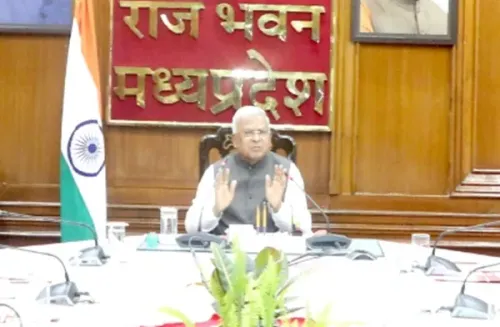
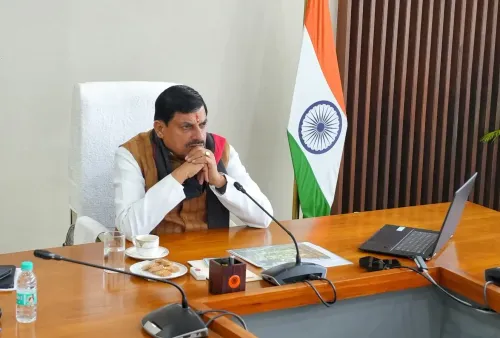
Bhopal, Jan 16 (NationPress) Madhya Pradesh Governor Mangubhai Patel presided over a collaborative meeting on Friday involving the Panchayat and Rural Development and Tribal Affairs departments, where he assessed the progress of the PESA Act (Panchayats Extension to Scheduled Areas) implementation in the state.
This meeting, held at Lok Bhavan (Governor’s House), provided a comprehensive review on various critical elements such as the financial condition of PESA Gram Sabhas, the conversion of forest villages into revenue villages, the creation of nazri maps for Gram Sabhas, outstanding proposals, the status of pattas, payments for tendu leaf collection, and other related matters.
Madhya Pradesh Panchayat and Rural Development Minister Prahlad Singh Patel, who participated in the meeting, presented an in-depth report on the effective promotion of the ‘PESA’ regulations, upcoming targets, accomplishments, obstacles, and practical solutions, as stated in a press release from the Governor’s office.
The Governor expressed that the PESA Act marks a crucial milestone towards enhancing tribal empowerment and underscored the importance of thoroughly educating tribal communities and Gram Sabhas about the benefits provided under the scheme initiated by the Centre.
He noted that the initiative (PESA Act) has paved the way for new advancements in the social, economic, and cultural dimensions of tribal communities.
“The encouraging success of peace and dispute resolution committees established under the ‘PESA’ guidelines in addressing local disputes is commendable. These committees are fortifying social cohesion and unity, while simultaneously liberating tribal communities from unnecessary legal battles and financial strains,” the Governor remarked.
He urged the relevant departments to ensure widespread dissemination of the successful execution and achievements of PESA, advocating for innovative approaches to communicate the notable successes of Gram Sabhas and PESA committees to the grassroots level.
High-ranking officials, including Additional Chief Secretary (Panchayat and Rural Development) Deepali Rastogi and Principal Secretary (Tribal Affairs) Gulshan Bamra, were present at the review meeting and provided detailed updates on the agenda items.
Point of View
The PESA Act represents a critical advancement in recognizing and empowering tribal rights. The proactive measures outlined by the Madhya Pradesh government reflect a commitment to social equity and community development, aligning with national goals of inclusivity and progress.
NationPress
6 Oct 2026
Frequently Asked Questions
What is the PESA Act?
The PESA Act, or Panchayats Extension to Scheduled Areas Act, is a legislative framework aimed at enhancing the governance and rights of tribal communities in Scheduled Areas of India.
What are the benefits of the PESA Act for tribal communities?
The PESA Act empowers tribal communities with self-governance, ensuring greater control over local resources and decision-making processes, thereby promoting social, economic, and cultural development.
How does the PESA Act contribute to dispute resolution?
The Act facilitates the establishment of local peace and dispute resolution committees that help resolve conflicts within tribal communities, promoting social harmony and reducing reliance on the formal legal system.
What role does the Madhya Pradesh government play in implementing the PESA Act?
The Madhya Pradesh government is responsible for overseeing the implementation of the PESA Act, ensuring awareness among tribal communities, and monitoring the progress of various initiatives related to the Act.
Why is the PESA Act significant for tribal empowerment?
The PESA Act is significant because it recognizes and legitimizes the rights of tribal communities, enabling them to participate actively in governance and development, which is crucial for their empowerment.