Iran's Pezeshkian denies nuclear weapons pursuit, calls US sanctions 'inhumane'
Synopsis
Iranian President Pezeshkian used a high-profile multilateral stage in Yerevan to flatly deny Iran is pursuing nuclear weapons, brand US-Israeli attacks as 'inhumane,' and warn Washington that coercion will not work — even as Trump simultaneously predicted the conflict would end 'very shortly' and promised lower energy prices. The two leaders are telling the world two very different stories about how this crisis ends.
Key Takeaways
Iranian President Masoud Pezeshkian declared on 16 October 2026 that Iran does not seek nuclear weapons, calling contrary claims a 'lie.' The remarks were made on the sidelines of COP17 in Yerevan, Armenia , during meetings with the Georgian and Armenian prime ministers.
Pezeshkian cited late Supreme Leader Ali Khamenei's prohibition on nuclear weapons as doctrinal backing for Tehran's position.
He described recent US-Israeli attacks on Iran as 'unjustifiable and inhumane' and US sanctions as non-compliant with humanitarian frameworks.
US President Donald Trump separately predicted the Iran conflict would end 'very shortly' and said energy prices would fall rapidly thereafter.
Iran reiterated openness to dialogue while warning that continued US pressure would worsen conditions for 'the entire world.'
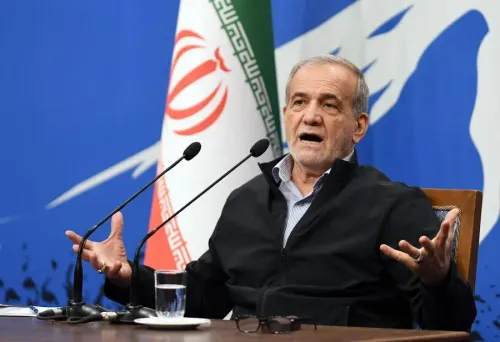
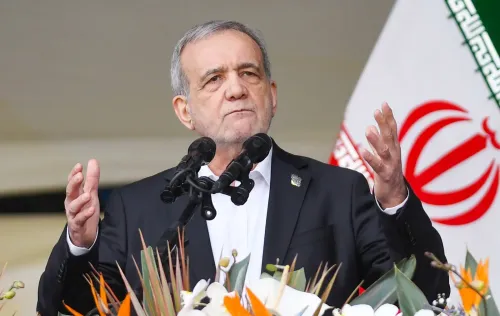
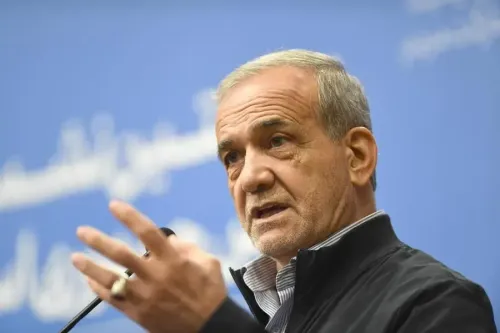
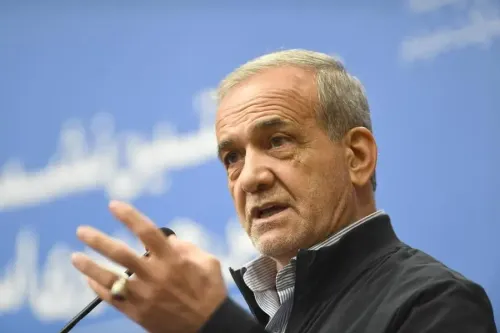
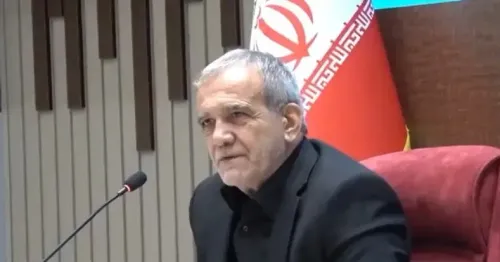
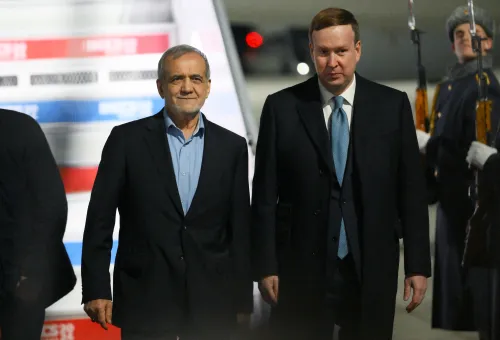
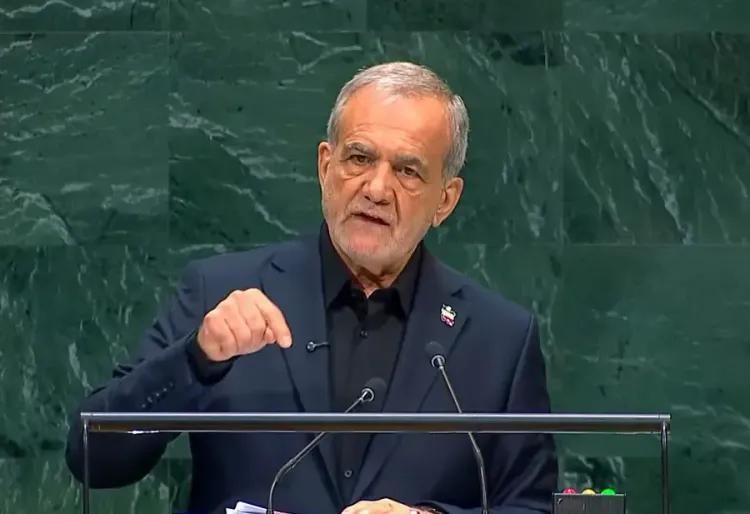
Iranian President Masoud Pezeshkian on Friday, 16 October 2026, firmly reiterated that Iran does not seek to develop nuclear weapons, dismissing claims to the contrary as a 'lie' and denouncing US sanctions as incompatible with humanitarian principles. The remarks came during high-level diplomatic meetings on the sidelines of the 17th Conference of the Parties (COP17) to the Convention on Biological Diversity, held in the Armenian capital, Yerevan.
Pezeshkian's Nuclear Denial
During a bilateral meeting with Georgian Prime Minister Irakli Kobakhidze, Pezeshkian stated plainly: 'Iran does not seek to develop nuclear weapons, and we consider the destructive propaganda against our country as a lie.' He cited the positions of Iran's late Supreme Leader Ali Khamenei, who reportedly prohibited the development of nuclear weapons, as the doctrinal basis for Tehran's stance.
Pezeshkian stressed that Iran has consistently remained open to dialogue. 'They (the United States) think they can force us to surrender, but we will not acquiesce to coercion,' he said, signalling Tehran's intention to resist external pressure.
US Sanctions and Attacks Called 'Unjustifiable'
The Iranian president characterised US sanctions against Iran as non-compliant with humanitarian frameworks. He further described recent US-Israeli attacks on Iran as 'unjustifiable and inhumane,' a pointed escalation in rhetoric that reflects deepening tensions between Tehran and Washington.
In a separate meeting with Armenian Prime Minister Nikol Pashinyan, Pezeshkian said the United States must recognise that Iran will not capitulate and will continue engaging with the world 'with power,' relying on its people and coordinating with its neighbours. He warned that if Washington continued on its current path, the consequences would worsen for the entire world.
Trump's Conflicting Signals
Meanwhile, US President Donald Trump offered a sharply different assessment of the situation. Speaking to reporters before departing Arizona for a rally in Montana, Trump predicted the conflict with Iran would end 'very shortly' and said global energy prices would fall rapidly once it concluded. 'And Iran will end very shortly. It's gonna be over very shortly, and your energy prices will fall very rapidly, very fast,' Trump said.
Trump also reiterated that Iran would not be permitted to acquire nuclear weapons, framing the conflict's resolution as directly linked to improvements in the US economy and lower oil prices. The remarks stand in stark contrast to Pezeshkian's defiant posture, highlighting the wide gulf between Tehran and Washington's respective narratives.
Georgia's Stance and Diplomatic Context
Georgian Prime Minister Kobakhidze, for his part, underlined that his country rejects any form of foreign interference in states' internal affairs — a position that aligned broadly with Pezeshkian's framing of Iran as a sovereign state resisting external coercion.
The Yerevan meetings underscore Iran's ongoing effort to shore up regional diplomatic support amid sustained pressure from the United States and Israel. This is not the first time Pezeshkian has used a multilateral forum to counter the nuclear weapons narrative — his administration has repeatedly emphasised dialogue over confrontation since taking office. How Washington responds to Tehran's stated willingness to engage will be closely watched in the weeks ahead.
Point of View
Cite clerical doctrine, and frame US pressure as illegal coercion — but the context has shifted. With Trump openly predicting an imminent end to the conflict and linking it to oil prices, Washington appears to be signalling war-termination on its own terms, not Tehran's. The fundamental contradiction — Iran insisting it will not surrender while Trump predicts a rapid resolution — suggests at least one side is managing its domestic audience more than it is negotiating. The COP17 sideline setting is also telling: Iran is investing heavily in projecting diplomatic normalcy through multilateral forums even as the military and sanctions pressure intensifies. Whether that strategy builds genuine regional solidarity or merely delays reckoning remains the core question.
NationPress
17 Oct 2026
Frequently Asked Questions
What did Iran's President Pezeshkian say about nuclear weapons?
President Masoud Pezeshkian stated on 16 October 2026 that Iran does not seek to develop nuclear weapons, dismissing claims to the contrary as a 'lie.' He cited the late Supreme Leader Ali Khamenei's prohibition on nuclear weapons as the basis for Tehran's longstanding position.
Where did Pezeshkian make these remarks?
The remarks were made in Yerevan, Armenia, during bilateral meetings on the sidelines of the 17th Conference of the Parties (COP17) to the Convention on Biological Diversity. Pezeshkian met separately with Georgian Prime Minister Irakli Kobakhidze and Armenian Prime Minister Nikol Pashinyan.
What did Pezeshkian say about US sanctions and attacks?
Pezeshkian said US sanctions against Iran fail to comply with humanitarian frameworks and described recent US-Israeli attacks on Iran as 'unjustifiable and inhumane.' He warned that if Washington continued on its current path, the situation would worsen for the entire world.
What did US President Trump say about the Iran conflict?
Trump told reporters before departing Arizona for a rally in Montana that the conflict with Iran would end 'very shortly' and that global energy prices would fall rapidly once it concluded. He also reiterated that Iran would not be allowed to acquire nuclear weapons.
Is Iran open to dialogue with the United States?
According to Pezeshkian, Iran has always been ready for dialogue and called on Washington to engage based on logic rather than force. However, he was equally firm that Iran would not surrender to coercion and would continue its international relations 'with power.'