PIL in Calcutta HC challenges Bengal's loudspeaker removal order at religious places
Synopsis
A PIL filed in the Calcutta High Court has put West Bengal's loudspeaker-removal directive under judicial scrutiny — with the petitioner alleging the police acted on a verbal order from Chief Minister Suvendu Adhikari, without any official written memo. The case raises a pointed question: can a government enforce a religious-sites policy without a formal, documented order?
Key Takeaways
A PIL challenging West Bengal's loudspeaker-removal order was filed and admitted at the Calcutta High Court on 10 August .
The petition was filed by TMC MP Kalyan Banerjee on behalf of lawyer Danish Faruqi .
Petitioners allege police acted on a verbal order from CM Suvendu Adhikari , with no official written directive issued.
A separate petition by Abdul Samad sought permission for a protest rally from Rajabazar to Rani Rashmoni Road in Kolkata.
CM Adhikari has maintained the order applies to all religious places, not only mosques.
The Acting Chief Justice Tapabrata Chakraborty admitted the PIL; a hearing date is yet to be announced.
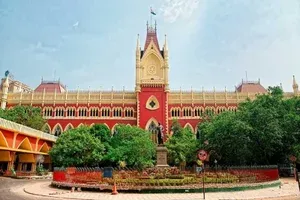
A public interest litigation (PIL) was filed before a division bench of the Calcutta High Court on Monday, 10 August, challenging the West Bengal government's directive to remove microphones and loudspeakers from all religious places across the state. The PIL has been admitted by the bench headed by Acting Chief Justice Tapabrata Chakraborty, though a date for the first hearing is yet to be fixed.
Who Filed the PIL and What It Seeks
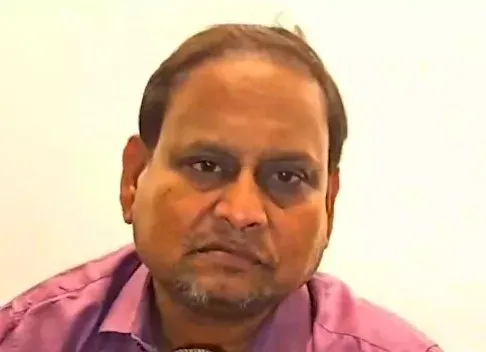
The petition was filed by Kalyan Banerjee, a four-time Trinamool Congress (TMC) Lok Sabha member and senior advocate, on behalf of Danish Faruqi, a lawyer. The PIL seeks the withdrawal of the state government's order and questions the legal basis on which authorities have been removing sound equipment from religious sites, particularly mosques.
Banerjee alleged that the police acted on a verbal instruction rather than any official written order or memo. 'This has become a new trend in West Bengal in the new regime. The Chief Minister says something and the police implement the order without an official order or memo being issued,' Banerjee said.
Separate Petition Seeks Rally Permission
A second petition was also filed on Monday before the single-judge bench of Justice Sougata Bhattacharya at the Calcutta High Court. Filed by Abdul Samad through advocate Sabyasachi Chattopadhyay, a Communist Party of India (Marxist) leader, the petition sought permission to hold a protest rally on Tuesday from Rajabazar in North Kolkata to Rani Rashmoni Road in central Kolkata against the loudspeaker removals. The matter was expected to be taken up later in the day.
Government's Position and Opposition Pushback
Opposition parties had earlier accused the state government of selectively targeting mosques in the crackdown. Chief Minister Suvendu Adhikari, however, clarified that the directive applies to all religious places — including temples — and is not confined to mosques. Critics argue that the absence of a formal written order undermines transparency and due process.
Broader Context
The dispute over loudspeakers at religious sites is not new to India — similar controversies have played out in Uttar Pradesh, Maharashtra, and other states in recent years. What distinguishes the West Bengal episode, according to petitioners, is the alleged reliance on verbal directives rather than a statutory framework, raising questions about administrative accountability. The Calcutta High Court's decision on the PIL could set a precedent for how such orders are issued and challenged across the country.
Point of View
It would expose a pattern of executive overreach that bypasses procedural safeguards. The loudspeaker debate itself is politically charged, but the deeper issue is administrative: can a state enforce a policy affecting religious practice without a formal, challengeable order? That question matters well beyond West Bengal.
NationPress
24 Sept 2026
Frequently Asked Questions
What is the PIL filed in the Calcutta High Court about?
The PIL challenges the West Bengal government's directive to remove microphones and loudspeakers from all religious places in the state. Filed on 10 August, it questions the legal basis of the order and alleges that police acted on a verbal instruction rather than any official written directive.
Who filed the PIL and on whose behalf?
The PIL was filed by Kalyan Banerjee, a four-time TMC Lok Sabha member and senior advocate, on behalf of Danish Faruqi, a lawyer. A separate petition was also filed by Abdul Samad, represented by CPI(M) advocate Sabyasachi Chattopadhyay.
What has Chief Minister Suvendu Adhikari said about the loudspeaker removal?
CM Adhikari has clarified that the directive to remove loudspeakers applies to all religious places — including temples — and is not limited to mosques, as opposition parties had alleged.
What is the current status of the case in the Calcutta High Court?
The PIL has been admitted by the division bench headed by Acting Chief Justice Tapabrata Chakraborty. However, the date for the first substantive hearing has not yet been announced.
What was the second petition filed on 10 August about?
A separate petition was filed before Justice Sougata Bhattacharya's bench seeking permission to hold a protest rally on Tuesday from Rajabazar in North Kolkata to Rani Rashmoni Road in central Kolkata against the loudspeaker removals.