PM Modi's Inspiring Message for Chaitra Navratri and New Year Celebrations
Synopsis
On the auspicious occasion of Chaitra Navratri and the New Year, PM Modi reaches out to several states with a heartfelt letter, emphasizing devotion, culture, and the profound significance of this festive period.
Key Takeaways
Chaitra Navratri celebrates the divine feminine energy through nine days of devotion.
PM Modi's letter emphasizes the importance of cultural heritage.
The festival is rooted in the victory of good over evil.
Ghatasthapana initiates the worship of Goddess Durga .
Unity in diversity is a core principle celebrated during this time.
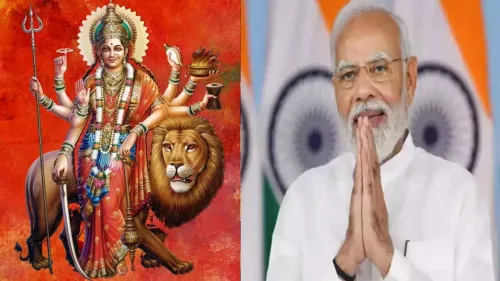
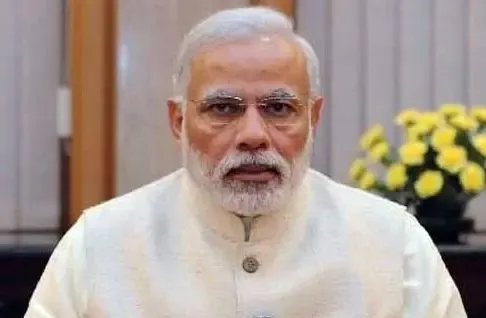
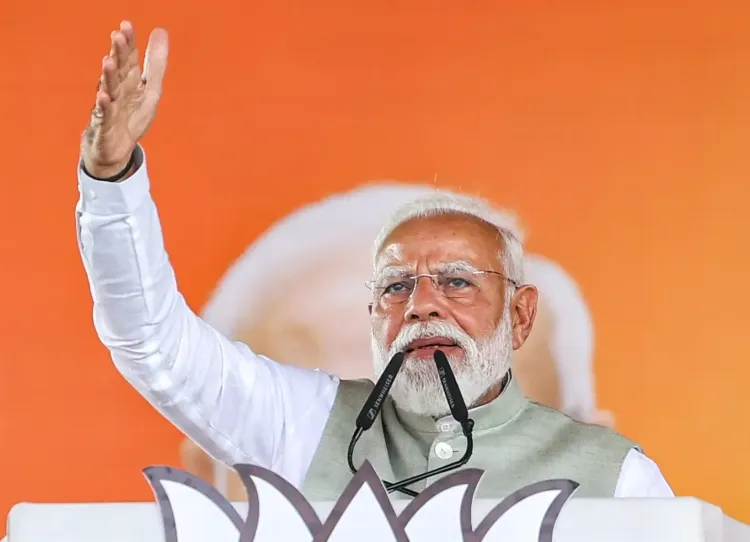
New Delhi, March 19 (NationPress) Prime Minister Narendra Modi reached out to the residents of Uttar Pradesh, Uttarakhand, Madhya Pradesh, Chhattisgarh, Bihar, Jharkhand, Himachal Pradesh, and Delhi on the significant occasion of Chaitra Navratri and the New Year, which heralds the start of Yugabda 5128 and Vikram Samvat 2083.
In his heartfelt letter, the Prime Minister expressed, “Dear fellow citizen, on this sacred occasion of the New Year and Chaitra Navratri, I offer my warmest wishes to you and your family.”
He underscored the significance of this day, stating, “Today, we commemorate Chaitra Shukla Pratipada, a pivotal moment in our ancient and scientific understanding of time. This day marks the commencement of the new Yugabda year 5128 and the new Vikram Samvat year 2083, showcasing our rich cultural heritage that spans thousands of years.”
Highlighting the festival's spiritual essence, the Prime Minister remarked that Chaitra Navratri is celebrated over nine days, providing a chance for devotion and self-discipline.
“Throughout these nine days, we celebrate Chaitra Navratri. This festival offers us not just a path for devotion and spirituality, but also a chance for sacrifice and self-control. Many devotees abstain from food and comforts, embracing restraint and discipline,” said PM Modi.
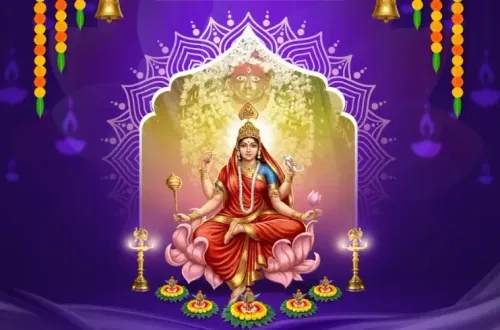
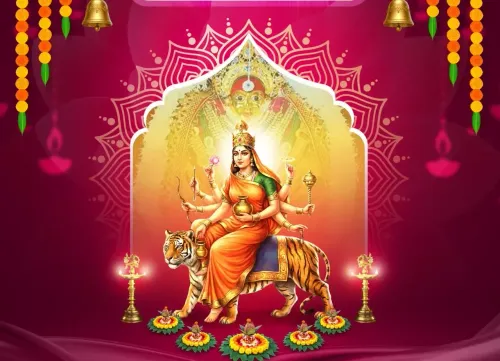
Explaining the cultural and philosophical depth of Navratri, he elaborated, “Navratri is a festival that honors the nine distinct forms of Maa Shakti. It embodies the Upanishadic philosophy that enables us to see the Divine in various forms. This vision reinforces India as the 'Mother of Democracy' and encapsulates our natural ethos of 'Unity in Diversity.'”
He concluded, “During these nine days of Navratri, I seek the blessings of Maa Adi Shakti for the well-being of all our citizens.”
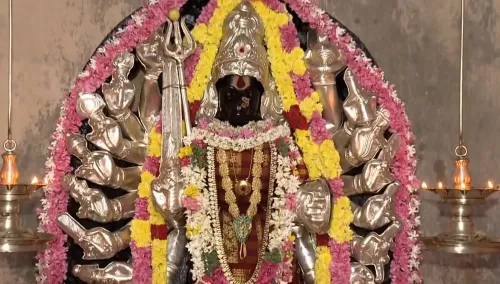
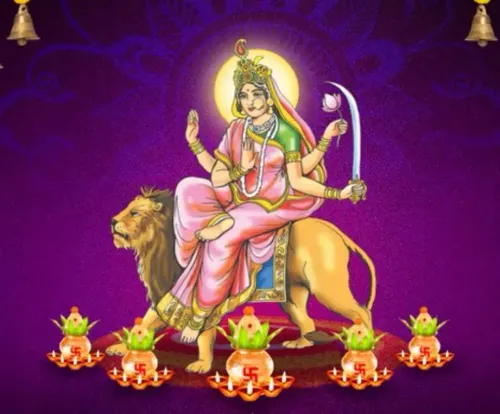
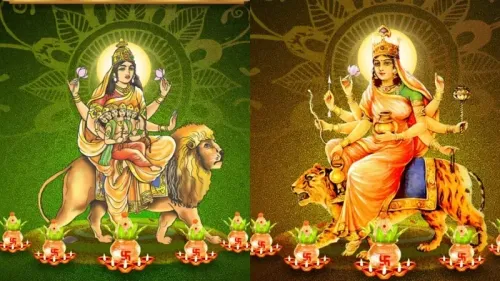
The festival kicks off with Ghatasthapana, also known as Kalash Sthapana, symbolizing the start of the nine-day worship of Goddess Durga. The final day, known as Ram Navami, celebrates the birth of Lord Rama and wraps up the festivities.
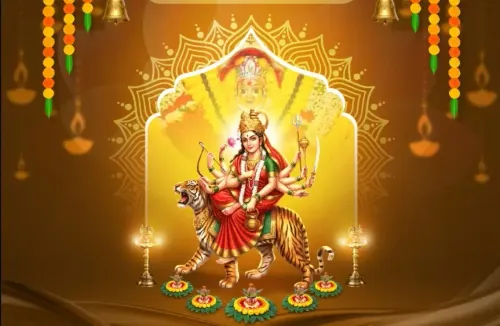
The origins of Navratri can be traced back to the mythology of Hinduism. One of the most famous tales shared during this time is the story of the triumph of Goddess Durga over the demon king Mahishasura. According to legend, Mahishasura received a boon that rendered him nearly invincible, leading him to terrorize heaven and earth. In response, the gods created the powerful deity Goddess Durga.
This divine figure, possessing immense energy, engaged in a fierce battle against Mahishasura for nine nights. On the tenth day, she ultimately defeated him, symbolizing the victory of good over evil. This event is the reason behind the celebration of Navratri, which honors courage, righteousness, and the power of divine energy.
Point of View
Devotion, and the importance of celebrating our rich heritage during times of festivity, presenting a national ethos that resonates with citizens across various states.
NationPress
20 Sept 2026
Frequently Asked Questions
What is Chaitra Navratri?
Chaitra Navratri is a nine-day festival celebrated in honor of Goddess Durga, symbolizing strength and feminine energy.
When does Chaitra Navratri begin?
Chaitra Navratri begins on the first day of the Chaitra month in the Hindu calendar, which typically falls in March or April.
Why is Navratri celebrated?
Navratri is celebrated to honor the victory of good over evil, particularly the battle between Goddess Durga and the demon king Mahishasura.
What is the significance of Ghatasthapana?
Ghatasthapana marks the beginning of the nine-day worship of Goddess Durga and is an important ritual during Navratri.
What does PM Modi's letter convey?
PM Modi's letter conveys heartfelt greetings and highlights the cultural, spiritual, and philosophical significance of Chaitra Navratri and the New Year.