Did PM Modi's Handwritten Notes Revive the Spirit of Vande Mataram?
Synopsis
In a heartfelt tribute during the Lok Sabha's special session on Vande Mataram's 150th anniversary, PM Modi recited his handwritten verses, intertwining India's rich cultural heritage with the spirit of the song. His reflections evoke a sense of unity and the eternal bond between the nation and its people.
Key Takeaways
PM Modi recited his handwritten verses, emphasizing the cultural significance.
Vande Mataram symbolizes unity and sacrifice.
The song's legacy is tied to India's identity and heritage.
Modi's reflections link the past to the vision of a self-reliant India by 2047.
The moment underscored the importance of cultural inheritance.
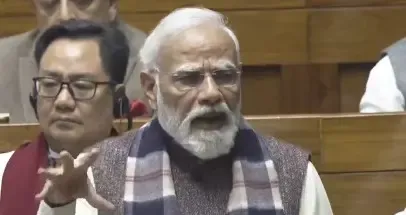
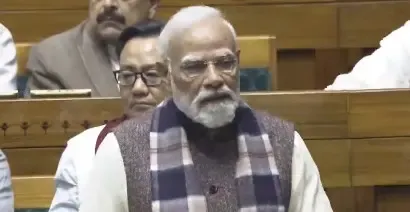
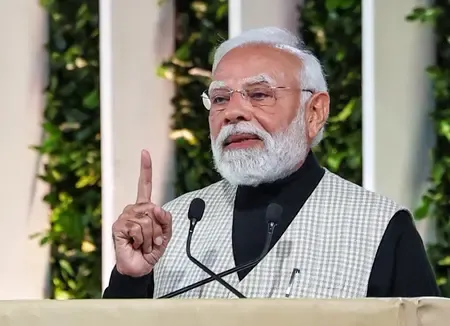
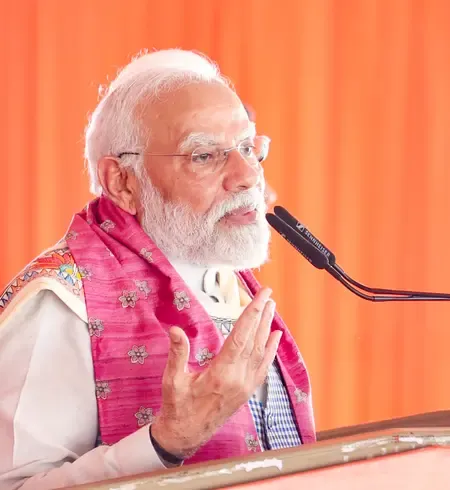
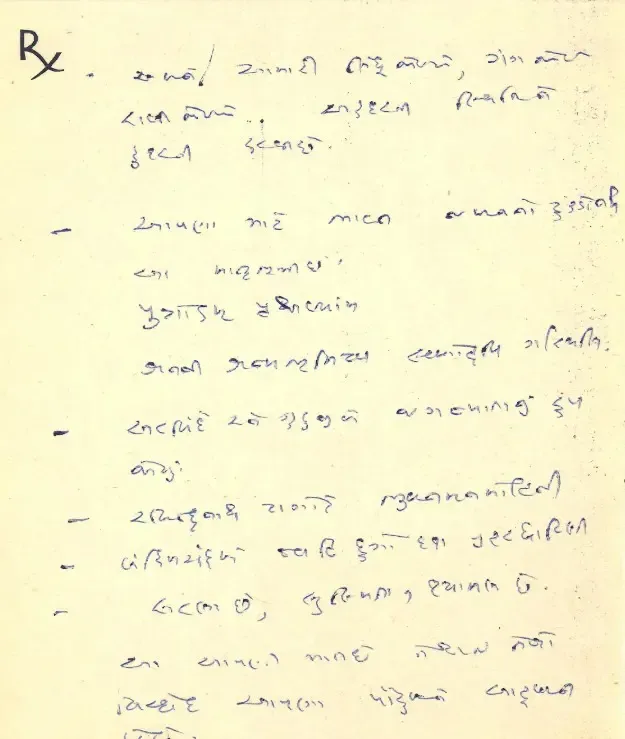
New Delhi, Dec 8 (NationPress) Prime Minister Narendra Modi added a profoundly personal element to the Lok Sabha's special session commemorating the 150th anniversary of Vande Mataram by sharing verses he wrote long ago in his own handwriting.
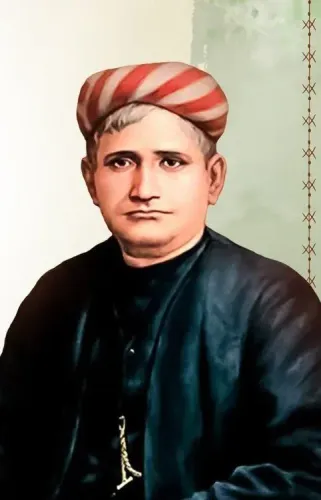
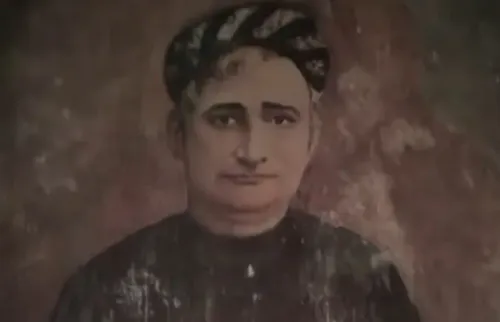
His reflections, which echo India's rich civilizational heritage, drew inspiration from the Vedas, the insights of Sri Aurobindo, Rabindranath Tagore, and Bankim Chandra Chatterjee, intricately weaving a cultural and spiritual narrative of the nation.
A post from the Modi Archive showcased his handwritten notes, highlighting how Modi's verses reminisce about the eternal rivers—Sindhu and Ganga—as representations of continuity and identity. He articulated that India is not just a landmass but 'Mother Earth', resonating with the Vedic assertion 'Putroham Prithivyah' (Earth is my mother, and I am her child) and the enduring sentiment 'Janani Janmabhoomisch Swargadapi Gariyasi' (Mother and motherland are superior to heaven).
He remarked on how Sri Aurobindo and Tagore envisaged India as the 'Mother of the world', with Tagore portraying her as Bhuvan-Man-Mohini, while Bankim Chandra depicted her as the formidable Goddess Durga.
The Prime Minister emphasized that this maternal vision of India—simple, graceful, and enduring—remains pivotal to the country's identity.
He asserted that any effort to undermine or abolish 'Vande Mataram' strikes at the core of this cultural legacy, inflicting profound pain on the collective spirit of the populace.
Modi's recitation highlighted how 'Vande Mataram' transcends mere politics, becoming a unifying mantra of sacrifice.
He reminded the assembly that the song encapsulated the emotional leadership of the freedom struggle, motivating generations to resist colonial domination and aspire for an Independent India.
By revisiting his own notes from decades past, PM Modi aimed to underscore the continuity of thought and the enduring significance of the song.
He asserted that the 150-year journey of 'Vande Mataram' is not merely historical but a reaffirmation of India's commitment to becoming a self-reliant and developed nation by 2047.
The Prime Minister urged Members of Parliament to honor their obligation to the song and ensure its spirit continues to illuminate India's future.
This moment, blending personal introspection with national symbolism, enriched the Parliamentary discourse, reminding the nation that 'Vande Mataram' is more than just a song—it embodies the living essence of India.
Point of View
I believe that PM Modi's recitation of his handwritten notes during the celebration of Vande Mataram highlights the ongoing relevance of our cultural heritage. This moment is not just a reflection of the past but a call to unite and reaffirm our commitment to a self-reliant India.
NationPress
7 Oct 2026
Frequently Asked Questions
What is the significance of Vande Mataram?
Vande Mataram is not merely a song; it symbolizes the spirit of independence and the emotional essence of India's freedom struggle, inspiring generations.
How did PM Modi's notes contribute to the discussion?
Modi's handwritten notes brought a personal touch to the discussion, emphasizing the cultural and spiritual significance of Vande Mataram in India's identity.
What themes did PM Modi highlight in his verses?
He highlighted themes of continuity, identity, and the vision of India as 'Mother Earth', linking it to the Vedic philosophies and national pride.
Why is Vande Mataram important today?
Vande Mataram remains crucial as a unifying anthem that transcends political divides, echoing the collective aspirations of the nation.
What was the Prime Minister's call to action?
PM Modi urged Parliament members to honor the legacy of Vande Mataram and ensure its spirit guides India's future.