Why Are Political Leaders Questioning Pakistan’s Change on the India T20 World Cup Match?
Synopsis
Pakistan's unexpected decision to participate in the T20 World Cup match against India has sparked fierce political debates in India. Leaders from various parties have expressed their strong opinions, linking sports to broader diplomatic issues. With the match set for February 15, the implications for cricket and international relations are profound.
Key Takeaways
Pakistan's participation in the T20 World Cup is confirmed.
Political reactions highlight the tension between sports and diplomacy.
Leaders express concern over the ethics of playing against Pakistan.
The India-Pakistan match is a major global attraction.
ICC emphasizes the need for integrity and cooperation.
New Delhi, Feb 10 (NationPress) The recent announcement by Pakistan to retract its boycott and affirm its involvement in the prestigious T20 World Cup match against India has incited intense political reactions within India. Leaders from various political factions have voiced their opinions on this issue, discussing its broader ramifications for both sports and international relations.
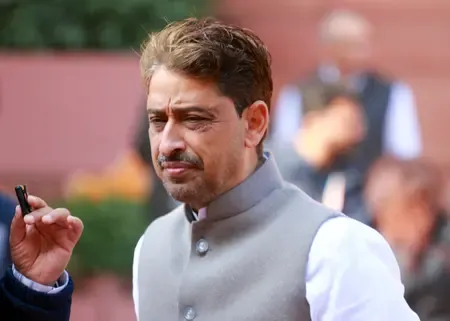
Congress MP Imran Masood launched a vigorous critique, questioning the ethics of competing with Pakistan on the cricket pitch. He expressed his sentiments by stating, “Their hands are stained with the vermilion of our sisters; they wiped away our sisters’ sindoor. Don’t you feel ashamed playing with them?” His comments reveal a profound emotional resistance, linking sports interactions to larger political and security issues.
Another Congress figure, MP Sukhdeo Bhagat, adopted a more tempered yet critical viewpoint, stating that such occurrences are not new and ultimately tarnish the essence of the game.
“This is nothing new. Such things have happened before as well. Ultimately, it harms the game. Unless firm action is taken in such cases…” Bhagat noted, suggesting that the continuous uncertainty and politicization of cricket matches compromise the integrity of the sport.
In contrast, BJP Minister Dilip Jaiswal dismissed the previous boycott threats as mainly symbolic. “Even earlier, it was quite likely that all this was just theatrics. The way such an atmosphere is being created in the game is not right. Well, better late than never, and it will be good in the end,” Jaiswal remarked, welcoming Pakistan’s decision to adhere to the tournament schedule.
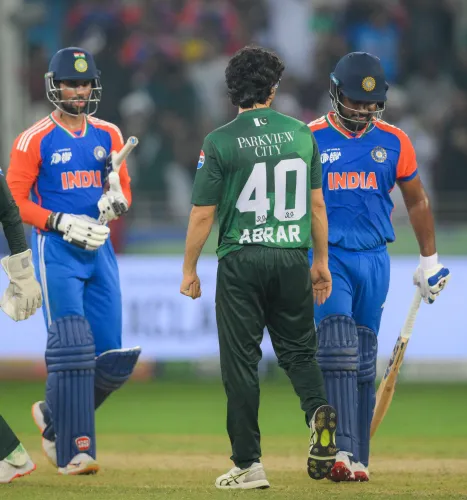
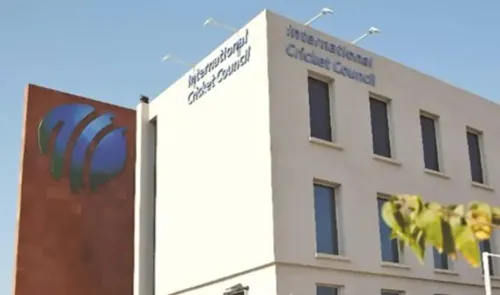
The political responses followed the International Cricket Council (ICC) confirming late on Monday night that Pakistan would fulfill its commitment to play all scheduled matches in the current ICC Men’s T20 World Cup, including the highly awaited India-Pakistan clash set for February 15 in Colombo.
In an official statement, the ICC highlighted that discussions with the Pakistan Cricket Board (PCB) were part of a broader engagement aimed at safeguarding the interests of the sport. “The dialogue between ICC and PCB took place as part of a broader engagement, with both parties recognizing the need for constructive dealings and being united, committed, and purposeful in their aspirations to serve the best interests of the game with integrity, neutrality, and cooperation,” the ICC stated.
The India-Pakistan match is viewed as one of the major highlights of the T20 World Cup, attracting massive global viewership and commercial interest. While cricket authorities emphasize the separation of politics from sports, the reactions from political leaders highlight the deep interconnection between the two realms.
Point of View
It's essential to recognize the intricate relationship between politics and sports in this context. While many leaders express valid concerns regarding ethical engagement with Pakistan, it is crucial to focus on preserving the spirit of the game. Cricket has historically served as a bridge between nations, and maintaining this dialogue is vital for fostering goodwill.
NationPress
19 Sept 2026
Frequently Asked Questions
What led to Pakistan's change in stance regarding the T20 World Cup?
Pakistan received confirmation from the ICC that it would honor its commitment to play all scheduled matches, including the much-anticipated clash against India.
How have Indian political leaders reacted to Pakistan's decision?
Political leaders from various parties have voiced strong opinions, with some expressing outrage and others calling for a more measured approach.
What is the significance of the India-Pakistan T20 match?
The match is considered one of the biggest attractions of the T20 World Cup, drawing massive viewership and commercial interest.
Is the involvement of politics in sports a common issue?
Yes, the intertwining of politics and sports is a common theme, especially in high-stakes matches like those between India and Pakistan.
What is the ICC's role in this situation?
The ICC aims to protect the integrity of the sport and facilitate constructive dialogue between cricketing boards.