Why Did Pakistan Boycott the T20 WC Match Against India?
Synopsis
Pakistan's withdrawal from the T20 World Cup match against India has ignited fierce debate. The Opposition sees it as a major blow to the BCCI, while the BJP downplays its significance as a display of cowardice. The ongoing discussion underscores the complexities of cricket diplomacy in the backdrop of tense international relations.
Key Takeaways
Pakistan's boycott reflects ongoing political tensions.
Opposition views it as a significant insult to the BCCI.
BJP downplays the boycott, labeling it cowardice.
Cricketing diplomacy remains complex amidst national security concerns.
Future cricket ties between India and Pakistan are uncertain.
New Delhi, Feb 2 (NationPress) In light of Pakistan's decision to withdraw from its anticipated T20 World Cup face-off against India, the Opposition has branded this action as the 'greatest insult' to the Board of Control for Cricket in India (BCCI). Numerous leaders from the Opposition questioned India's involvement in matches against Pakistan post-'Operation Sindoor'. Meanwhile, the BJP dismissed Pakistan's withdrawal as trivial and labeled it yet another instance of its cowardice.
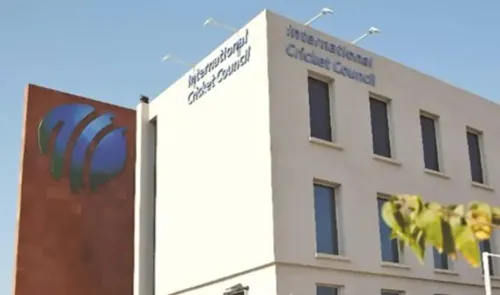
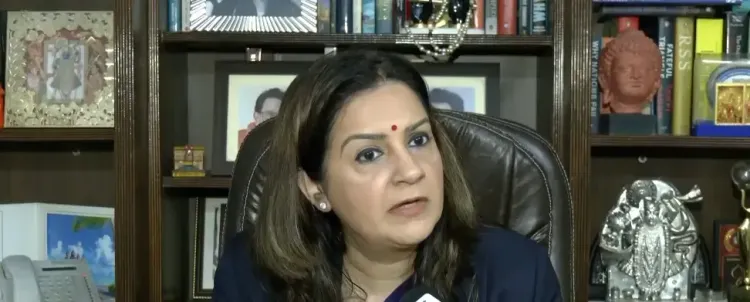
Shiv Sena (UBT) MP Priyanka Chaturvedi remarked that Pakistan’s boycott highlights the shortcomings of cricket diplomacy. “This is the greatest insult to the BCCI. Being the world's wealthiest and most powerful cricket organization and a key participant in the ICC, the BCCI should be held accountable. Following the terror attack and 'Operation Sindoor', we consistently emphasized Pakistan’s role in fostering terrorism globally. Families affected by the 26 casualties have persistently advocated against playing matches with Pakistan,” she stated.
Congress MP Ujjwal Raman Singh expressed similar sentiments, asserting that Pakistan should have been barred from competing against India immediately after 'Operation Sindoor'. “We questioned the rationale behind continuing to play against Pakistan at that time, given the severe terror attacks that resulted in innocent lives lost. Now, Pakistan is attempting to position itself as the victim while we bear the consequences. The ICC must enforce strict measures. Pakistan essentially slaps us in the face, and India needs to adopt a firm stance,” he added, noting the ICC's representatives seem ineffective in maintaining discipline.
Congress leader Pratap Singh Khachariyawas commented, “Pakistan is behaving irrationally and lacks loyalty, even to its own people, let alone India. Their statements about India carry no weight, as India has triumphed over Pakistan every time.”
Samajwadi Party MP Rajeev Kumar Rai remarked that India squandered a chance to assert itself decisively earlier. “It’s our fault. We should not have allowed Pakistan the opportunity to withdraw from matches against us. A more decisive action should have been taken right after 'Operation Sindoor'.” he told IANS.
Congress MP Tariq Anwar stated, “It is regrettable that Pakistan opted out at the last minute, just as the match was about to occur. This is against established norms.”
Congress spokesperson Surendra Rajput expressed that this situation raises significant concerns for the ruling party and cricket authorities. “India will not tolerate threats. Anyone who wants to leave, can leave. However, the BJP and the BCCI must explain how countries like Pakistan, or even smaller nations like Bangladesh, feel empowered to make threats against India. The BJP needs to respond clearly,” he said.
Conversely, BJP leaders dismissed Pakistan’s move as irrelevant. BJP MP Damodar Agrawal remarked, “It is up to them whether they play or not. We have no need to react.”
BJP spokesperson Pratul Shah Deo criticized Pakistan’s historical conduct, labeling the boycott as another indication of its cowardice. “Pakistan has a long-standing history of retreat. In 1947–48, when it invaded Kashmir, the Indian Army repelled them. This pattern continued in 1965, and 'Operation Sindoor' saw history repeat itself. We plan to urge the ICC to impose a ban on Pakistan’s cricket team for breaching ICC regulations,” he stated.
BJP MP Sanjay Jaiswal noted that Pakistan profits from Indian viewership. “They would do better to stay away. They rely on revenue from Indian television channels. Without that, they won't even manage to pay their cricketers,” he said.
BJP MLA Ram Kadam asserted that India’s strength has already been demonstrated both on and off the field. “Our players have shown that even on Pakistan’s home ground, they can defeat them. Whether in the air or on the ground, India has taught Pakistan lessons. This is a transformed India under Prime Minister Narendra Modi, which enters enemy territory and acts decisively,” he remarked.
BJP Maharashtra President Amit Satam stated, “This is typical of Pakistan. For many years, they have consistently behaved this way, revealing their true nature every time.”
BJP State President Sanjay Saraogi mentioned that Pakistan’s global reputation has diminished further following Operation Sindoor. “Our courageous soldiers infiltrated Pakistan and dismantled terrorist hideouts, leaving them in a state of shock. Pakistan's standing is now negligible. It would be better for them not to play against India,” he said.
BJP MP Praveen Khandelwal emphasized prioritizing national security over sports. “India is not bothered about this issue. The safety of our nation comes first. Pakistan creates chaos, and whether they participate or not is irrelevant,” he declared.
BJP MP Naresh Bansal concluded by stating that Pakistan's boycott will not impact India. “This is their choice. If they choose not to play, we will proceed regardless,” he said.
Point of View
It's evident that the ongoing political tensions significantly influence sports diplomacy. While cricket serves as a platform for fostering goodwill, the realities of national security often overshadow these interactions. Our nation's stance should remain firm, prioritizing security while navigating the complex relationships with neighboring countries.
NationPress
3 Oct 2026
Frequently Asked Questions
What led to Pakistan's decision to boycott the T20 match?
Pakistan's decision stems from ongoing political tensions and concerns regarding India's actions post-'Operation Sindoor'.
How has the Opposition reacted to Pakistan's boycott?
The Opposition has labeled Pakistan's move as the 'greatest insult' to the BCCI and questioned India's matches with Pakistan.
What is the BJP's stance on this issue?
The BJP has dismissed Pakistan's decision as trivial and a sign of cowardice, emphasizing India's strength.
What impact does this boycott have on cricketing relations?
The boycott raises significant questions about the future of cricketing relations between India and Pakistan.
Will this affect India's participation in international cricket?
India's participation in international cricket remains unaffected, as the decision lies with individual cricketing boards.