Punjab Minister Critiques Central Government on Energy Crisis
Synopsis
Punjab Minister Harjot Bains criticizes the BJP-led government for its foreign policy failures, linking them to the escalating energy crisis affecting the state's agricultural sector.
Key Takeaways
Criticism of Central Government: Punjab's Education Minister blames the BJP for the energy crisis.
Dwindling Resources: There is a significant reduction in petroleum and LPG stocks.
Impact on Agriculture: Closure of fertilizer plants poses risks to the kharif sowing season.
Call for Transparency: Minister demands clarity on national energy reserves.
Broader Implications: The crisis could affect multiple sectors beyond agriculture.
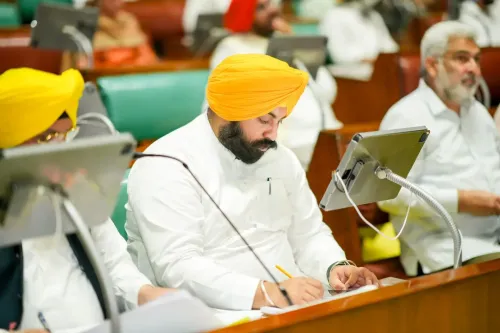
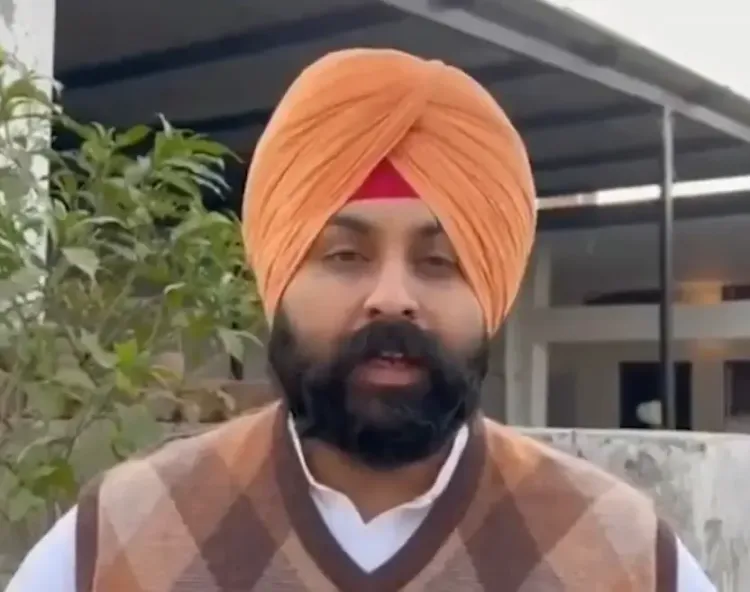
Chandigarh, March 11 (NationPress) Punjab's Education Minister, Harjot Bains, vehemently criticized the BJP-led Central government on Wednesday, attributing the escalating energy crisis in the nation to its ineffective foreign policy.
During an Assembly discussion, he voiced serious concerns regarding the dwindling stocks of petroleum and LPG, the closure of fertilizer plants within the state, and what he labeled as inequitable gas supply to Punjab. He demanded transparency from the Centre regarding the actual national reserves of petroleum, LPG, and LNG.
Engaging in a debate on a condemnation motion initiated by Food and Civil Supplies Minister Lal Chand Kataruchak, Bains underscored the alarming depletion of petroleum and LPG reserves across India.
He highlighted the inconsistency between the Centre's assertions of self-sufficiency and the stark reality on the ground.
Bains urged the Centre to clarify the precise stock levels of petroleum, LPG, and LNG currently available in the country.
“While their representatives claim abundant reserves of petroleum and LPG, commercial supplies have ceased. This situation is not merely an administrative oversight but a direct consequence of the BJP government's failed foreign policy,” Bains remarked, emphasizing the dire implications of this crisis for Punjab, especially its agricultural economy.
He expressed frustration over the closure of National Fertilisers Limited (NFL) plants in Nangal and Bathinda, warning that the impending kharif sowing season is at significant risk.
“With the Nangal and Bathinda fertilizer plants nearly out of operation, how will we secure our urea? The kharif sowing is imminent, posing a serious threat to our farmers' livelihoods. While Punjab's plants are deprived of gas and shut down, the NFL’s Panipat plant continues to receive full supplies. This is clear discrimination against Punjab,” he stated.
Bains cautioned that the current scenario is merely the beginning of a larger crisis.
“If this trend continues, the nation could soon confront a severe shortage of petrol and diesel. Tomorrow, they might announce a lack of petrol or diesel. The ramifications won't stop at agriculture; our hostels will close their mess halls, the tourism sector will plummet, and even our armed forces may feel the impact. This issue touches every household in the nation,” he added.
Point of View
This narrative raises important questions about the adequacy and transparency of national energy policies, particularly as they impact Punjab's agrarian economy.
NationPress
12 Oct 2026
Frequently Asked Questions
What are the main concerns raised by Punjab Minister Harjot Bains?
He highlighted dwindling petroleum and LPG stocks, the shutdown of fertilizer plants, and discrimination in gas supply to Punjab.
How does the energy crisis affect Punjab's farmers?
The shutdown of fertilizer plants threatens the kharif sowing season, impacting farmers' livelihoods.
What did Bains request from the Central government?
He demanded transparency regarding the actual reserves of petroleum, LPG, and LNG in the country.
What did Bains say about the government's claims of self-sufficiency?
He pointed out contradictions between the government's claims and the reality of dwindling supplies.
What are the potential consequences of the energy crisis according to Bains?
He warned of a possible petrol and diesel shortage, affecting various sectors, including agriculture and the armed forces.