Has Rabi Crop Sowing Surpassed 479 Lakh Hectares with Pulses and Wheat Rising?
Synopsis
Discover how the total area for rabi crops has surpassed 479 lakh hectares this winter, reflecting significant increases in pulses and wheat. This growth not only promises higher production but also aims to boost farmers' incomes and stabilize food prices. Dive into the details now!
Key Takeaways
479 lakh hectares is the total area sown under rabi crops.
An increase of 27.89 lakh hectares compared to last year.
Pulses cover 106.21 lakh hectares this season.
Wheat area has risen to 241.40 lakh hectares .
Minimum support prices are crucial for farmers' income stability.
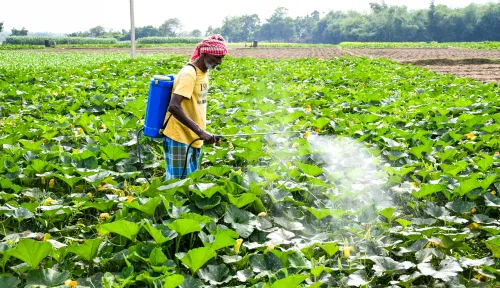
New Delhi, Dec 10 (NationPress) The overall area planted with rabi crops this winter season has surpassed 479 lakh hectares (as of December 5), according to the most recent government statistics.
This marks an increase of 27.89 lakh hectares compared to the 451.12 lakh hectares reported during the same timeframe last year.
Additionally, a total of 106.21 lakh hectares is now dedicated to pulses, up from 105.78 lakh hectares in the previous year, as per the Agriculture Ministry.
As of December 5, the area covered by 'Shri Anna and Coarse Cereals' is reported at 36.28 lakh hectares, while oilseeds have surpassed 84 lakh hectares.
The expansion in sown area is anticipated to lead to increased production, benefiting farmers' incomes while also helping to manage food inflation.
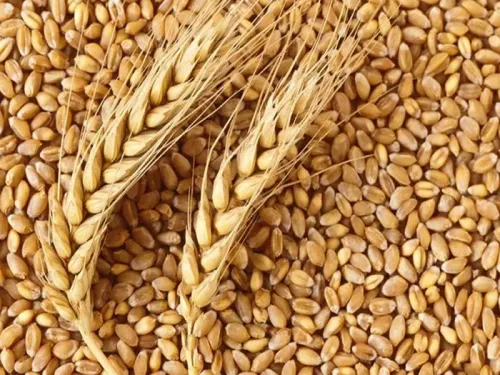
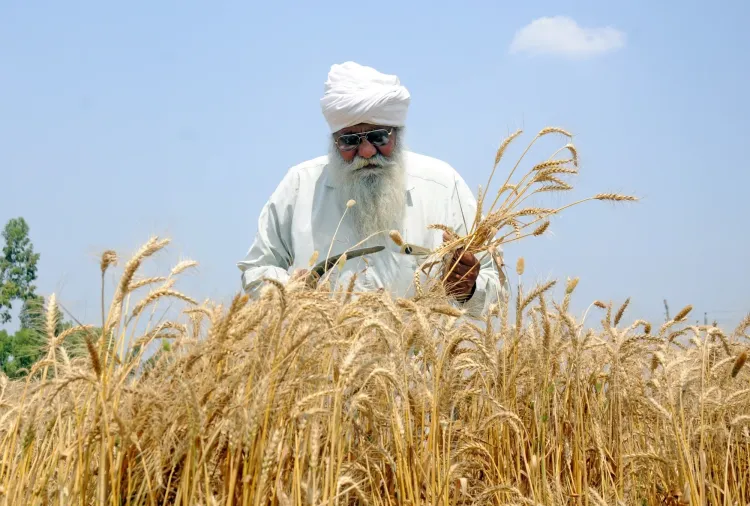
Official data reveals that the area allocated for wheat has risen by 23.59 lakh hectares to 241.40 lakh hectares, compared to 217.81 lakh hectares during the previous year.
The area designated for pulses, including urad, lentils (masur), and moong, has increased to 106.21 lakh hectares, from 105.78 lakh hectares last year.
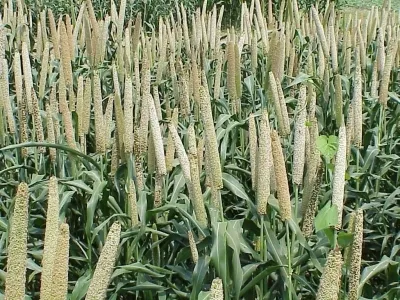
The area under coarse cereals or millets, such as jowar, bajra, and ragi, has risen to 36.28 lakh hectares this season, compared to 35.94 lakh hectares last year.
The area allocated for oilseeds like rapeseed and mustard has grown by 2.40 lakh hectares, reaching 84.14 lakh hectares from 81.75 lakh hectares in the same period last year.
The increase in sown area this season is attributed to improved monsoon rains, which have facilitated sowing in the country's unirrigated regions, accounting for nearly 50 percent of the nation's farmland.
The Cabinet Committee on Economic Affairs (CCEA), led by Prime Minister Narendra Modi, approved the rise in minimum support prices (MSP) for all mandated rabi crops for the 2026-27 marketing season on October 1, ensuring that farmers receive fair prices for their produce.
Minimum support prices are announced well in advance of the sowing season, enabling farmers to formulate their cropping strategies effectively to maximize their earnings.
Point of View
It's essential to recognize the significance of this increase in rabi crop sowing. The data reflects not only the resilience of Indian agriculture but also the potential for enhanced farmer livelihoods and stable food prices, ultimately benefiting the nation as a whole.
NationPress
19 Sept 2026
Frequently Asked Questions
What is the current area sown under rabi crops?
As of December 5, the area sown under rabi crops has exceeded 479 lakh hectares.
How does this year's rabi crop area compare to last year?
This year shows an increase of 27.89 lakh hectares from last year's 451.12 lakh hectares.
What crops have seen significant increases?
Wheat and pulses have seen notable increases in area coverage this year.
How do minimum support prices affect farmers?
Minimum support prices ensure that farmers receive fair compensation for their crops, helping them plan effectively.
What factors contributed to the increase in sown area?
Improved monsoon rains have facilitated sowing in unirrigated areas, significantly impacting the total sown area.