Has the Area Planted with Rabi Crops Grown to 660.48 Lakh Hectares?
Synopsis
The significant growth in rabi crop acreage is poised to enhance farmers' incomes and stabilize food prices. This year's sowing area has expanded due to favorable monsoon conditions, leading to promising production prospects. Farmers are set to benefit from increased minimum support prices, ensuring better returns on their investments.
Key Takeaways
Rabi crop area increased by 18.24 lakh hectares to 660.48 lakh hectares.
Wheat area rose by 6.13 lakh hectares to 334.17 lakh hectares.
Pulses area expanded by 3.61 lakh hectares to 137.55 lakh hectares.
Coarse cereals area increased by 3.25 lakh hectares to 60.7 lakh hectares.
Oilseeds area grew by 3.45 lakh hectares to 97.03 lakh hectares.
MSP increases aim to support farmers' incomes.
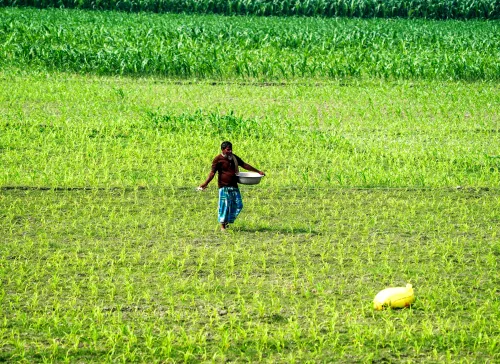
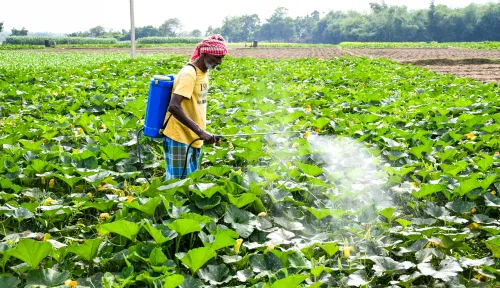
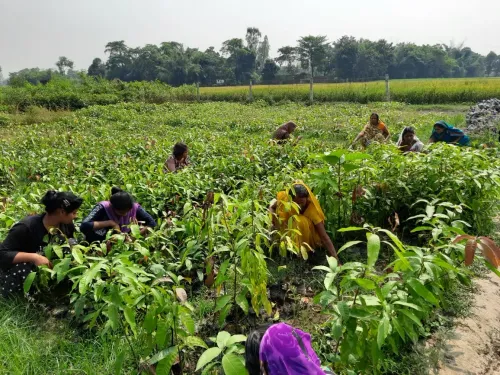
New Delhi, Jan 28 (NationPress) The total area planted with rabi crops during the current winter season has seen an increase of 18.24 lakh hectares, reaching 660.48 lakh hectares as of January 23 this year. This is an improvement from the 642.24 lakh hectares recorded during the same timeframe last year, according to data released by the Ministry of Agriculture and Farmers Welfare on Wednesday.
This expansion in sown area is anticipated to boost production, which is likely to enhance farmers' incomes and aid in controlling food inflation.
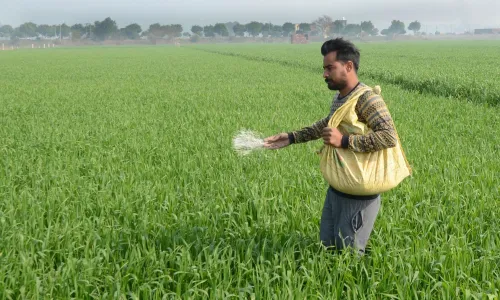
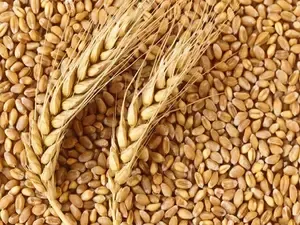
Official statistics indicate that the area under wheat has risen by 6.13 lakh hectares, totaling 334.17 lakh hectares, up from 328.04 lakh hectares during the same period last year.
The area for pulses such as urad, lentils (masur), gram, and moong has increased by 3.61 lakh hectares, reaching 137.55 lakh hectares from 133.94 lakh hectares last year.
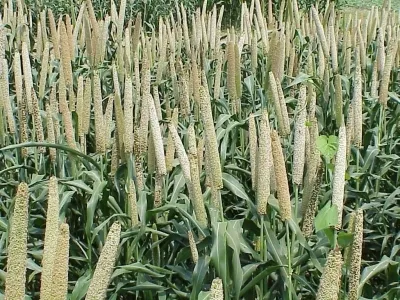
The land used for coarse cereals or millets like jowar, bajra, and ragi has grown by 3.25 lakh hectares, now covering 60.7 lakh hectares in the current season, compared to 57.45 lakh hectares in the same period last year.
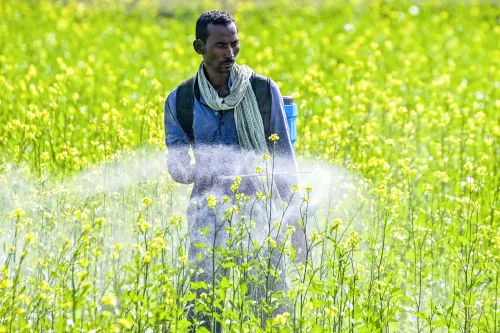
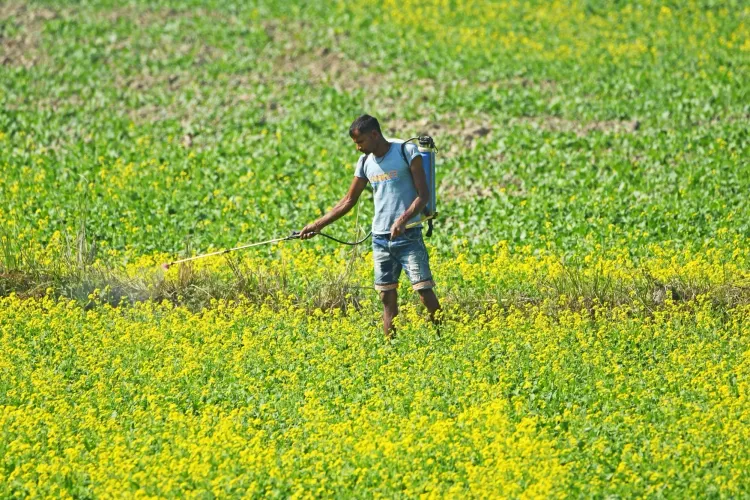
Furthermore, the area dedicated to oilseeds, including rapeseed and mustard, has risen by 3.45 lakh hectares, totaling 97.03 lakh hectares from 93.58 lakh hectares last year.
This increase in sown area is attributed to improved monsoon rains, which have aided sowing in unirrigated regions that comprise nearly 50 percent of the country's farmland.
On October 1 last year, the Cabinet Committee on Economic Affairs (CCEA) approved a rise in minimum support prices (MSP) for all mandated rabi crops for the 2026-27 marketing season to ensure profitable pricing for growers.
The announcement of MSP occurred well in advance of the sowing season, allowing farmers to plan their crops effectively to maximize earnings.
The most considerable MSP increase was for safflower at Rs 600 per quintal, followed by lentil (masur) at Rs 300 per quintal. Other increases include Rs 250 for rapeseed & mustard, Rs 225 for gram, Rs 170 for barley, and Rs 160 for wheat.
This rise in MSP for mandated rabi crops for the Marketing Season 2026-27 aligns with the Union Budget 2018-19 directive to set MSP at a minimum of 1.5 times the All-India weighted average cost of production. The anticipated margin over the All-India average cost of production is 109 percent for wheat, 93 percent for rapeseed & mustard, 89 percent for lentils, 59 percent for gram, 58 percent for barley, and 50 percent for safflower. This increase in rabi crop MSP will provide farmers with fair prices and encourage crop diversification.
The production costs for these crops encompass all incurred expenses, including those for hired labor, bullock or machine labor, rent for leased land, material inputs such as seeds, fertilizers, manures, irrigation charges, depreciation on farming equipment, and imputed family labor costs, as stated in the official release.
Point of View
We recognize the importance of agricultural growth and its implications for the economy. The increase in rabi crop acreage is a promising sign for farmers and food security. With the government's support through higher MSPs, we're optimistic about the potential benefits for the agricultural sector and the economy as a whole.
NationPress
24 Sept 2026
Frequently Asked Questions
What are rabi crops?
Rabi crops are those cultivated in winter, primarily sown in October and harvested in March-April. They include wheat, barley, peas, and mustard.
Why is the increase in sown area significant?
An increase in the sown area generally leads to higher production, which can enhance farmer incomes and help control food inflation.
What is the impact of MSP on farmers?
Minimum Support Prices (MSP) ensure that farmers receive a fair price for their crops, encouraging them to invest more in cultivation.
How does weather affect crop sowing?
Favorable weather conditions, especially monsoon rains, play a crucial role in the success of crop sowing, particularly in unirrigated regions.
What crops are included in the rabi season?
Common rabi crops include wheat, barley, peas, mustard, and various pulses.