Rajasthan CM Bhajanlal Sharma sets 100-day urban transformation plan for cities
Synopsis
Rajasthan CM Bhajanlal Sharma has handed newly elected urban body heads a 100-day clock — with a hard pre-Diwali deadline for roads, lighting and sanitation. The message was unambiguous: visible results on the ground, not paperwork, and zero tolerance for corruption. It is an early stress test for both the state's new urban leadership and Sharma's own governance credibility.
Key Takeaways
Rajasthan CM Bhajanlal Sharma met newly elected Mayors and urban body heads at his residence in Jaipur on 5 October 2026 .
All cleanliness, road, lighting, sewerage and beautification works to be completed within one month , before Diwali .
A 100-day urban transformation roadmap was outlined covering sanitation, waterlogging, stray animals, encroachments and park maintenance.
Urban bodies directed to adopt zero-tolerance on corruption and strengthen their financial and revenue base.
Free de-sludging services are being extended across 188 urban local bodies ; a 'Developed Ward Campaign' has been launched statewide.
Urban Development Minister Jhabar Singh Kharra and Chief Secretary V.
Srinivas attended the meeting.
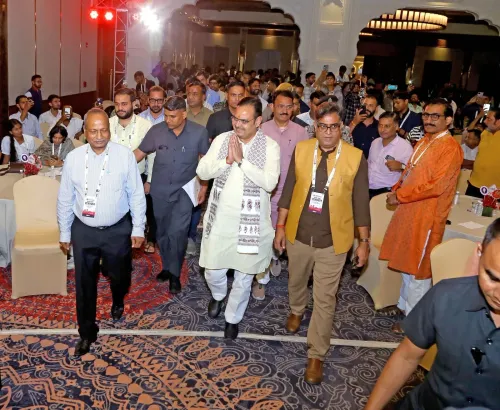
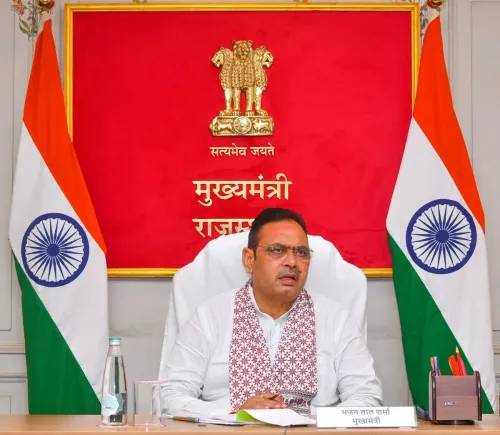
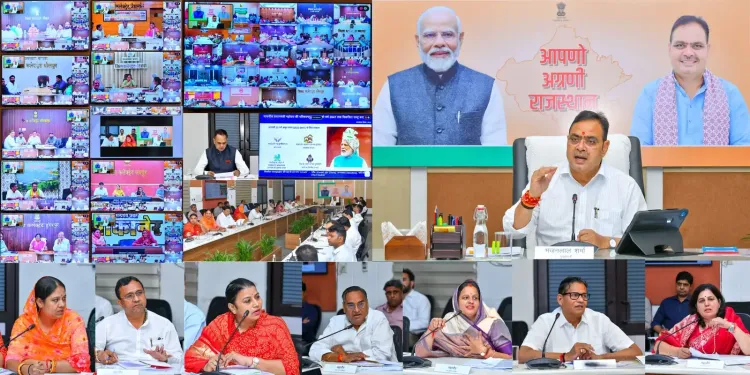
Rajasthan Chief Minister Bhajanlal Sharma on Monday, 5 October 2026, convened a high-level dialogue at the Chief Minister's residence in Jaipur with newly elected Mayors, Chairpersons, Presidents and other representatives of urban local bodies, laying out a 100-day roadmap for city development and civic administration across the state. The meeting marks one of the first structured accountability exercises between the new state leadership and freshly elected urban bodies.
Key Directives from the Chief Minister
Sharma directed that all works related to cleanliness, roads, electricity, street lighting, sewerage, drains, painting and beautification be completed within one month — specifically before Diwali. He instructed elected heads of urban local bodies to regularly visit their respective areas, assess ground conditions, coordinate with officials, and verify the quality of development works to ensure timely completion.
Sharma emphasised that development must not remain confined to planning and paperwork, and that its benefits must tangibly reach ordinary citizens. He stated that holding a position in an urban local body is 'not merely an office but a mission of public service.'
Priority Areas for Urban Reform
The Chief Minister identified a specific set of civic priorities for immediate action: sanitation, waste collection and disposal, waterlogging, street lighting, park maintenance, stray animal menace, encroachments and sewerage systems. He called on urban local bodies to resolve these issues at the local level promptly and urged councillors to rise above ward-specific considerations, working instead with a collective vision for entire cities.
Notably, Sharma stressed that planning for roads, sewerage and other civic amenities should be based on the needs of the city as a whole — a pointed message against the tendency to concentrate resources within individual wards for political gain.
Financial Management and Governance Standards
Issuing strong directions on financial discipline, Sharma urged urban local bodies to strengthen their revenue base and improve financial management. He called for transparency, accountability and integrity in governance, and a zero-tolerance approach towards corruption. Urban bodies were also encouraged to lay the foundation for schemes that establish new benchmarks in urban development.
State Schemes and Central Government Backing
The Chief Minister referenced several Central Government programmes — including the Swachh Bharat Mission, Pradhan Mantri Awas Yojana (Urban), AMRUT and the Smart Cities Mission — describing them as models integrating technology with citizen-centric amenities. At the state level, Sharma highlighted the provision of 125 days of employment as unskilled labourers for needy urban families, the establishment of Faecal Sludge Treatment Plants (FSTPs), free de-sludging services across 188 urban local bodies, and the launch of a 'Developed Ward Campaign' for planned city development.
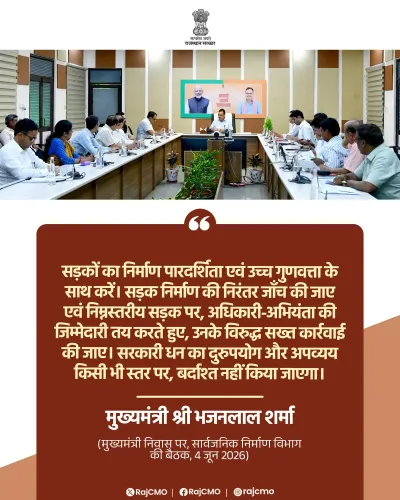
Urban Development and Local Self-Government Minister Jhabar Singh Kharra, Mayors of Municipal Corporations, Chief Secretary V. Srinivas and senior department officials were present in person, while Deputy Mayors, Chairpersons, Presidents and Vice-Presidents joined via video conference. The state government, Sharma said, will extend full support to urban local bodies in their effort to transform Rajasthan's cities into world-class urban centres.
Point of View
Designed to generate visible wins rather than systemic reform. The harder question is whether the revenue and governance directives — strengthening urban body finances, zero-tolerance on corruption — will outlast the deadline campaign. Urban local bodies in Rajasthan have historically struggled with chronic revenue deficits and dependence on state grants, and a single meeting cannot resolve structural underfunding. What happens on day 101 will be the real measure of this exercise.
NationPress
6 Oct 2026
Frequently Asked Questions
What is Rajasthan's 100-day urban development plan?
It is a roadmap directed by Chief Minister Bhajanlal Sharma on 5 October 2026, requiring newly elected heads of urban local bodies to deliver visible improvements in cleanliness, roads, sewerage, street lighting and beautification across Rajasthan's cities within 100 days. Works specifically related to pre-Diwali civic improvement are to be completed within one month.
Who attended the meeting called by CM Bhajanlal Sharma?
Urban Development Minister Jhabar Singh Kharra, Mayors of Municipal Corporations and Chief Secretary V. Srinivas attended in person. Deputy Mayors, Chairpersons, Presidents and Vice-Presidents of urban local bodies participated via video conference.
What are the key civic issues Rajasthan's urban bodies must address?
CM Sharma listed sanitation, waste collection and disposal, waterlogging, street lighting, park maintenance, stray animals, encroachments and sewerage systems as priority areas requiring prompt resolution at the local level.
What state and central schemes are supporting Rajasthan's urban development?
Central schemes include the Swachh Bharat Mission, Pradhan Mantri Awas Yojana (Urban), AMRUT and the Smart Cities Mission. At the state level, 125 days of employment for needy urban families, Faecal Sludge Treatment Plants across 188 urban local bodies, and the 'Developed Ward Campaign' are among the key initiatives.
What governance standards did CM Sharma set for urban local bodies?
Sharma directed urban body heads to ensure transparency, accountability and integrity in governance, and to adopt a zero-tolerance approach towards corruption. He also urged them to strengthen their revenue base and improve financial management.