Rajasthan crude oil output to hit 80,000 barrels per day via ASP, CSS tech
Synopsis
Rajasthan is targeting a near-60% jump in daily crude oil output — from around 51,000–52,000 barrels to 80,000 barrels — by deploying advanced EOR techniques across three of its major petroleum basins. With the HRRL refinery primed to process local crude and 60 CNG stations targeted this year, the state is making a coordinated push up the entire oil and gas value chain.
Key Takeaways
Rajasthan plans to raise crude oil production from 51,000–52,000 barrels per day to 80,000 barrels per day in a phased manner.
The Alkali Surfactant Polymer (ASP) technique will be deployed in the Barmer-Sanchore and Jaisalmer basins; Cyclic Steam Stimulation (CSS) in the Bikaner-Nagaur basin.
Rajasthan ranks third nationally in onshore crude oil and second in onshore natural gas production, with gas output at 2.6–2.8 MMSCMD .
The HRRL Rajasthan Refinery (capacity: 9 MMTPA ) can process up to 1.5 million tonnes of locally produced crude.
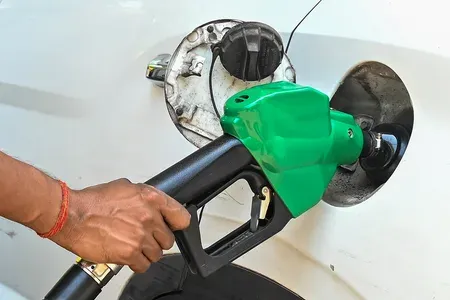
A target of 60 CNG stations has been set for the current financial year; 23 are already operational , with the rest due by December .
Operators active in the state include Cairn Vedanta , Oil India , ONGC , and Focus Energy .
Rajasthan will scale up crude oil production from the current 51,000–52,000 barrels per day to 80,000 barrels per day in a phased manner, Additional Chief Secretary (Mines and Petroleum) Aparna Arora announced on Monday. The push will be driven by advanced extraction technologies deployed across the state's key petroleum basins, making it one of the most significant upstream capacity expansions in Rajasthan's energy sector in recent years.
Technologies Driving the Expansion
To bridge the gap between current output and the 80,000-barrel target, oil-producing companies will deploy the Alkali Surfactant Polymer (ASP) technique in the Barmer-Sanchore and Jaisalmer basins. The Cyclic Steam Stimulation (CSS) technique will be applied in the Bikaner-Nagaur basin. Both methods are enhanced oil recovery (EOR) strategies designed to extract crude from reservoirs where conventional drilling yields are declining.
Rajasthan's Standing in National Petroleum Production
Rajasthan currently ranks third nationally in onshore crude oil production and second in onshore natural gas production. Natural gas output in the state stands at approximately 2.6–2.8 MMSCMD. There are presently 12 petroleum leases and 12 petroleum exploration licences active in the state's petroleum sector. Companies including Cairn Vedanta, Oil India, ONGC, and Focus Energy are engaged in exploration and production operations across these basins.
Local Refining Push at HRRL
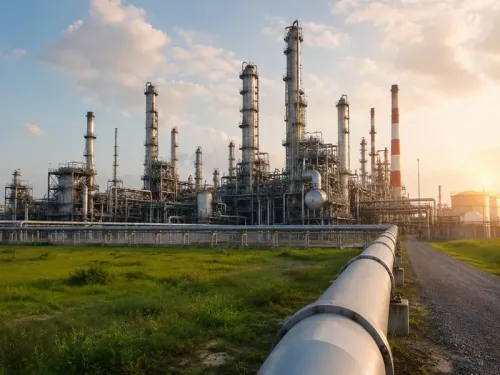
Arora stressed the importance of refining Rajasthan's crude oil within the state itself. The HRRL Rajasthan Refinery, which carries a refining capacity of 9 MMTPA, is equipped to process up to 1.5 million tonnes of crude produced locally. Officials were directed to prioritise channelling state-produced crude to this facility, reducing dependence on out-of-state refining infrastructure.
City Gas Distribution Targets
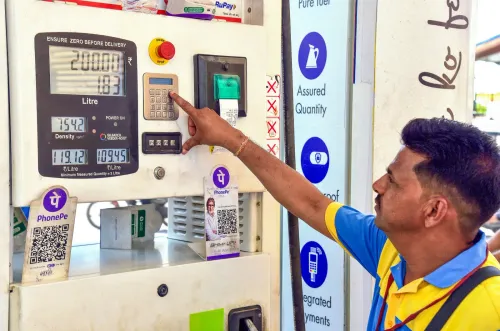
On the City Gas Distribution (CGD) front, Arora said a target of 60 CNG stations has been set for the current financial year, of which 23 are already operational. She directed officials to ensure the remaining stations are commissioned by December. Arora also emphasised accelerating Domestic Piped Natural Gas (DPNG) connections, particularly in multi-storey residential buildings, as part of the state's broader clean energy transition. RSGL Managing Director Vinay Patni provided updates on CGD operations at the review meeting held at the Secretariat.
Key Officials at the Review
The progress review was attended by Special Secretary (Mines) Namrata Vrishni, Deputy Secretary Rakesh Kumar, OSD Anuj Saxena, Joint Director (Petroleum) Dilip Raj Sharma, and Deputy Directors Rohit Mallah, Sushil Kumar Hooda, Mohan Kumawat, and Ankit Soni. Petroleum Director Avadhesh Singh briefed the meeting on operator-wise production status. With targets set and technologies identified, the pace of implementation across Rajasthan's petroleum basins will be closely watched in the months ahead.
Point of View
000-barrel target is ambitious but not implausible — ASP and CSS are proven EOR techniques, and the state has the basin diversity to apply both. The more telling signal is the push to refine locally at HRRL: if Rajasthan can close the loop from extraction to refining within its borders, it materially changes the state's fiscal calculus on petroleum royalties and value addition. The CGD expansion, however, is the less-noticed story — piped gas connectivity in multi-storey buildings is a last-mile challenge that most states have struggled to crack, and a December deadline for 37 more CNG stations is tight. The question is whether operator capacity and regulatory clearances can keep pace with the political timeline.
NationPress
16 Oct 2026
Frequently Asked Questions
What is Rajasthan's crude oil production target and current output?
Rajasthan currently produces approximately 51,000–52,000 barrels of crude oil per day and plans to scale this up to 80,000 barrels per day in a phased manner using advanced extraction technologies, according to state officials.
Which technologies will be used to boost Rajasthan's oil output?
The Alkali Surfactant Polymer (ASP) technique will be deployed in the Barmer-Sanchore and Jaisalmer basins, while the Cyclic Steam Stimulation (CSS) technique will be used in the Bikaner-Nagaur basin. Both are enhanced oil recovery methods aimed at improving yield from existing reservoirs.
Which companies operate in Rajasthan's petroleum sector?
Cairn Vedanta, Oil India, ONGC, and Focus Energy are currently engaged in crude oil and natural gas exploration and production in Rajasthan, operating under 12 active petroleum leases and 12 petroleum exploration licences.
What is the status of Rajasthan's City Gas Distribution expansion?
Rajasthan has set a target of 60 CNG stations for the current financial year, of which 23 are already operational. Officials have been directed to commission the remaining stations by December, with a parallel push on Domestic Piped Natural Gas connections in residential buildings.
How does the HRRL Rajasthan Refinery fit into the state's oil strategy?
The HRRL Rajasthan Refinery has a refining capacity of 9 MMTPA and can process up to 1.5 million tonnes of crude produced within the state. Officials have stressed the need to ensure locally extracted crude is refined at this facility rather than sent out of state.