Rajkot Zoo welcomes 3 Asiatic lion cubs, total pride rises to 20
Synopsis
Rajkot Zoo has quietly become one of India's most productive Asiatic lion breeding centres — 58 cubs born since the programme began, two successful litters in under six weeks, and a pride that now stands at 20. For a species whose wild population is almost entirely restricted to Gir, that track record matters.
Key Takeaways
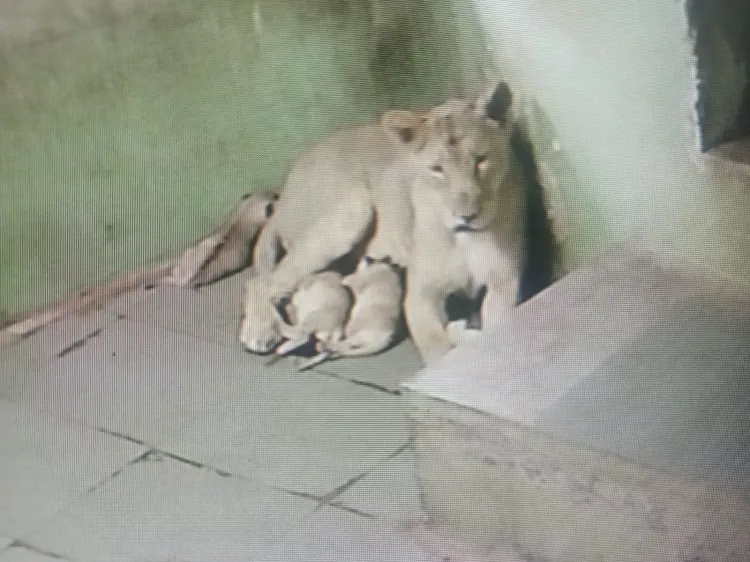
Three Asiatic lion cubs were born at Rajkot Zoo on the night of 22 July to lion Dhananjay and lioness Dharti .
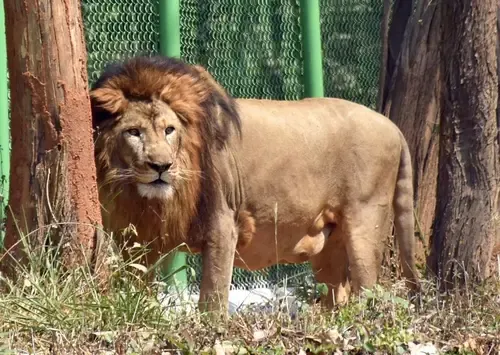
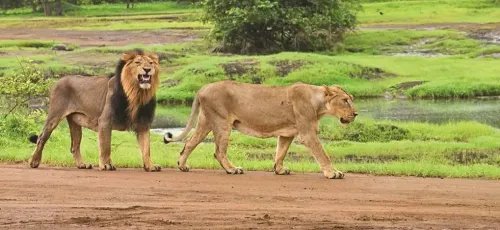
The births push the zoo's total Asiatic lion count to 20 , comprising four adult males, eight adult females, two sub-adult males, and six cubs.
This is the second successful litter in roughly six weeks — lioness Dhara gave birth to three cubs on 11 June .
Rajkot Zoo has bred 58 Asiatic lion cubs in total since launching its breeding programme.
The zoo houses 614 animals and birds across 70 species and attracts approximately seven lakh visitors annually.
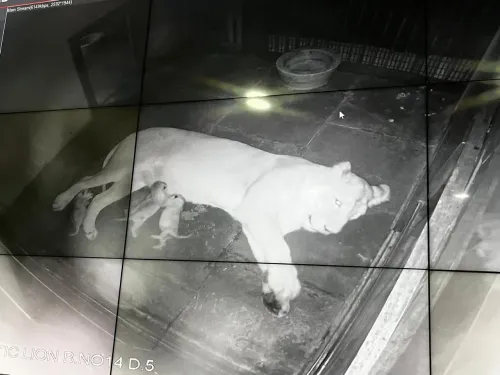
Rajkot Zoo recorded the birth of three Asiatic lion cubs on the night of 22 July, pushing its total Asiatic lion population to 20 — the latest milestone in a breeding programme that has now produced 58 cubs since its inception. Zoo officials confirmed the development on Tuesday, 28 July, noting that the mother and all three newborns are reportedly in good health.
About the New Cubs
The cubs were born to male lion Dhananjay and lioness Dharti after a gestation period of 107 days. The zoo's veterinary officer and support staff are monitoring the lioness and her cubs round the clock via CCTV surveillance to ensure their well-being. Officials said the natural, forest-like habitat at Rajkot Zoo has proven consistently conducive to breeding both Asiatic lions and white tigers.
A Second Successful Birth in Weeks
The latest birth comes just over a month after another breeding success at the same facility. On 11 June, lioness Dhara gave birth to three cubs, who are also reported to be healthy. Two successful litters within roughly six weeks underscores the zoo's growing reputation as a reliable conservation breeding centre in western India.
Current Lion Population Breakdown
With the three newborns, Rajkot Zoo now houses 20 Asiatic lions — comprising four adult males, eight adult females, two sub-adult males, and six cubs. Under the Wildlife Exchange Programme, the zoo has previously supplied lions to institutions including zoos in Mysuru, Hyderabad, Chhatbir (Punjab), Lucknow, Bhilai (Chhattisgarh), Kankaria in Ahmedabad, and Sakkarbaug in Junagadh, receiving other animal and bird species in return.
Zoo's Broader Significance
Managed by the Rajkot Municipal Corporation and developed under the guidance of the Central Zoo Authority of India, Rajkot Zoo has evolved into one of the most visited attractions in the Saurashtra region. The facility draws approximately seven lakh visitors annually, with footfall spiking during public holidays and festivals. It currently houses 614 animals and birds across 70 species.
As Asiatic lions remain a critically protected species — with their wild population largely confined to Gir National Park in Gujarat — successful captive breeding programmes such as Rajkot's play a supporting role in broader conservation efforts. The zoo's next steps will likely include decisions on transferring cubs under the Wildlife Exchange Programme as the population grows.
Point of View
Captive gene pools managed through programmes like the Wildlife Exchange Programme are no longer a footnote but a backstop. The question worth asking is whether India's zoo authority has a coordinated genetic diversity plan for these 58-plus cubs, or whether transfers are driven primarily by exchange logistics.
NationPress
27 Oct 2026
Frequently Asked Questions
How many Asiatic lion cubs have been born at Rajkot Zoo?
A total of 58 Asiatic lion cubs have been born at Rajkot Zoo since its breeding programme began, including the three born on 22 July 2025. The zoo currently houses 20 Asiatic lions in total.
Who are the parents of the latest Asiatic lion cubs at Rajkot Zoo?
The three cubs born on 22 July were born to male lion Dhananjay and lioness Dharti after a gestation period of 107 days. Both the mother and cubs are reported to be in good health.
Which zoos has Rajkot Zoo supplied Asiatic lions to?
Under the Wildlife Exchange Programme, Rajkot Zoo has supplied Asiatic lions to zoos in Mysuru, Hyderabad, Chhatbir in Punjab, Lucknow, Bhilai in Chhattisgarh, Kankaria in Ahmedabad, and Sakkarbaug in Junagadh, among others.
Why is Rajkot Zoo significant for Asiatic lion conservation?
Rajkot Zoo has established a consistent captive breeding record for Asiatic lions — a species whose wild population is largely confined to Gir National Park in Gujarat. Its natural, forest-like environment and round-the-clock veterinary monitoring have contributed to repeated successful births.
How many animals does Rajkot Zoo currently house?
Rajkot Zoo currently houses 614 animals and birds representing 70 species. The facility is managed by the Rajkot Municipal Corporation under the guidance of the Central Zoo Authority of India and attracts approximately seven lakh visitors each year.