Rajya Sabha Engages in Heated Debate Over CAPF Bill 2026
Synopsis
The Rajya Sabha is currently deliberating the controversial Central Armed Police Forces (General Administration) Bill, 2026, aimed at placing IPS officers in key leadership roles within paramilitary forces, igniting fierce opposition and legal concerns.
Key Takeaways
The Bill aims to elevate IPS officers in CAPF leadership.
Opposition critiques center on legal and constitutional grounds.
Retired CAPF officials view the Bill as undermining their status.
Key positions will predominantly be filled by IPS officers.
Discussion in Rajya Sabha expected to be extensive and vigorous.
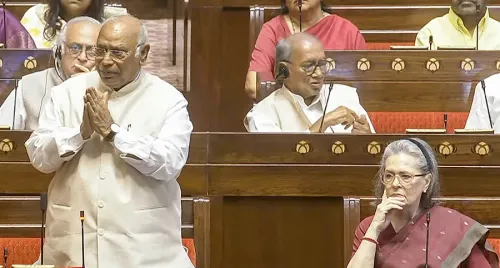
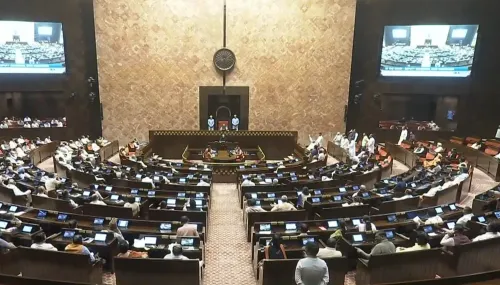
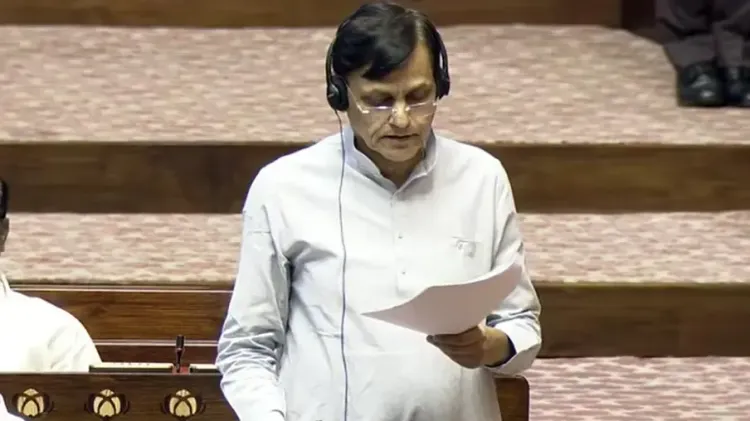
New Delhi, March 25 (NationPress) The Rajya Sabha commenced discussions on the Central Armed Police Forces (General Administration) Bill, 2026, which aims to solidify the role of Indian Police Service (IPS) officers in senior leadership positions within the nation's paramilitary forces.
This legislative proposal has faced significant backlash from opposition parties and retired CAPF officers, who argue that it contradicts a Supreme Court ruling from May 23, 2025. In that judgment, the court conferred Organised Group A Service status to CAPF officers and mandated the government to gradually limit IPS deputations up to the rank of Inspector General within a two-year timeframe.
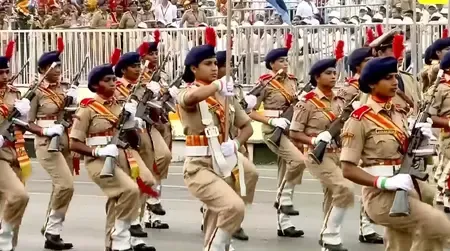
The Bill seeks to unify the administration of the five central forces: Central Reserve Police Force (CRPF), Border Security Force (BSF), Indo-Tibetan Border Police (ITBP), Sashastra Seema Bal (SSB), and Central Industrial Security Force (CISF).
It stipulates that 50% of the positions at the rank of Inspector General, at least 67% of the positions for Additional Director General, and all roles for Special Director General and Director General within the CAPFs must be filled by IPS officers on deputation.
Previously, such appointments were managed through executive orders. The current legislation aims to formalize these guidelines into law.
The Bill was introduced in the Upper House by Union Minister of State for Home Affairs Nityanand Rai.
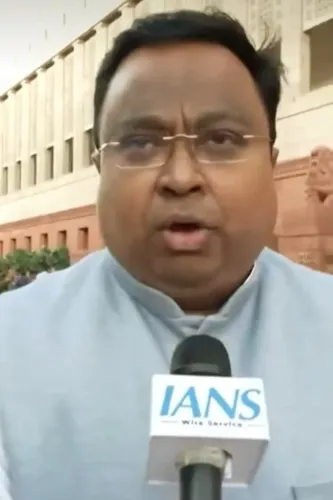
CPI(M) MP John Brittas vehemently opposed the Bill, asserting that it exceeds the legislative jurisdiction of the government acting under a standard legislative framework.
He remarked, "While Parliament possesses the authority, it cannot simply annul existing judicial orders without adequately addressing the legal framework underpinning them."
The Chair maintained that Parliament has the authority to enact the law; however, Brittas countered that it is impermissible for Parliament to bypass a judicial ruling based solely on declaration without properly engaging with its legal reasoning.
Trinamool Congress MP Derek O'Brien and other opposition members echoed their dissent during the discussions.
Eight hours have been allocated for the introduction and debate of the Bill in the Upper House, as confirmed by a member of the opposition.
Retired CAPF officials have branded the Bill as unjust, claiming it contradicts the essence of the Supreme Court ruling that acknowledged the cadre strength and ambitions of the officers from these forces.
The government asserts that IPS leadership at senior levels is crucial for enhanced coordination between the Centre and states, particularly concerning internal security and law enforcement.
Anticipation mounts for continued discussions, likely featuring vigorous exchanges between the ruling party and opposition.
If enacted, the Bill could significantly alter the structure and command hierarchy of the Central Armed Police Forces, including the CRPF, BSF, CISF, ITBP, and SSB.
Point of View
The balance between legislative power and judicial authority remains at the forefront. The implications of this Bill could reshape the hierarchy of India's paramilitary forces, making it imperative for lawmakers to tread carefully.
NationPress
23 Sept 2026
Frequently Asked Questions
What does the Central Armed Police Forces Bill, 2026 propose?
The Bill aims to ensure that IPS officers hold significant leadership roles within the country's paramilitary forces, codifying previous executive orders into law.
Why are opposition parties opposing the Bill?
Opposition parties argue that the Bill undermines a Supreme Court ruling that granted specific status and rights to CAPF officers, and they believe it exceeds the government's legislative competence.
What are the key positions affected by the Bill?
The Bill stipulates that a significant portion of senior ranks, including Inspector General and Additional Director General, must be filled by IPS officers on deputation.
When was the Bill introduced in the Rajya Sabha?
The Bill was introduced in the Rajya Sabha on March 25, 2026, by Union Minister of State for Home Affairs Nityanand Rai.
What are the potential implications if the Bill is passed?
If passed, the Bill could fundamentally change the structure and command of the Central Armed Police Forces, affecting operations and coordination with state authorities.