Randhawa-Amit Shah meet sparks Congress row; Gehlot, Dotasra back Punjab MP
Synopsis
A Congress MP's meeting with the BJP Home Minister was always going to raise eyebrows — but Sukhjinder Singh Randhawa's detailed paper trail of security letters to Modi and Shah, backed by the Randhawa family's anti-militancy legacy, gives his Punjab law-and-order argument more weight than the political noise suggests.
Key Takeaways
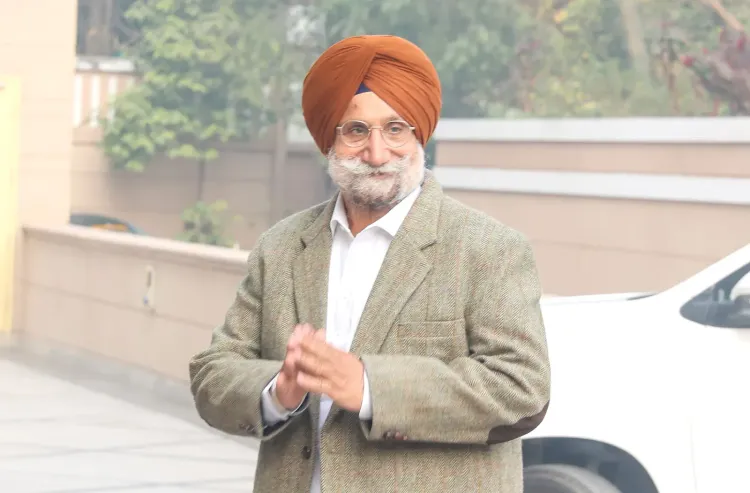
Rajasthan Congress In-Charge and Gurdaspur MP Sukhjinder Singh Randhawa met Home Minister Amit Shah in New Delhi on Friday, 4 July .
Randhawa wrote to PM Modi on 4 June and again on 23 June raising concerns over Pakistan-backed terrorism, narco-terrorism , and gangster-politician links in Punjab.
He described attempts to politicise the meeting as 'malicious and baseless' and said it was pre-scheduled.
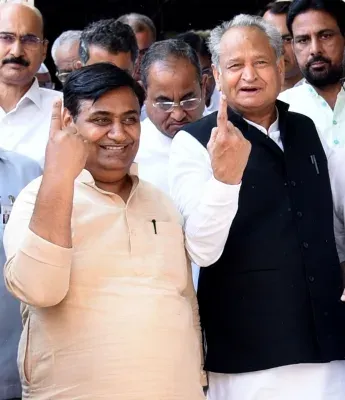
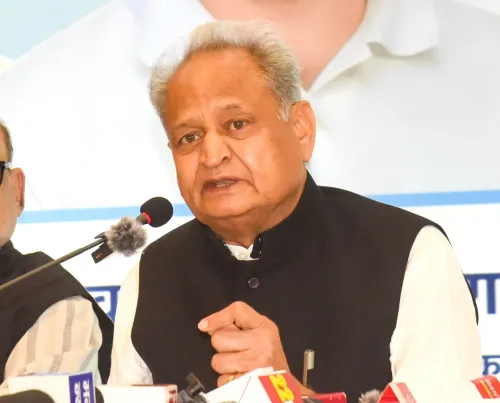
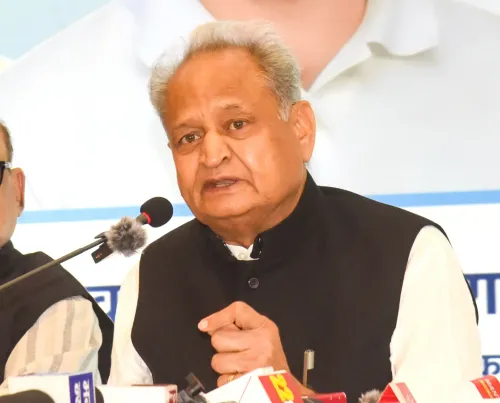
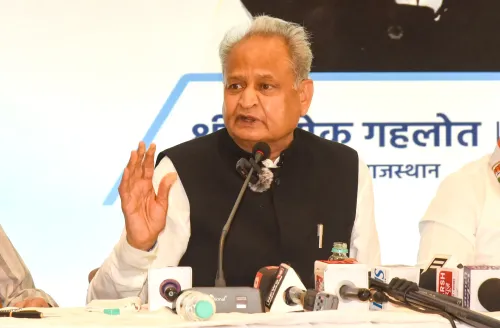
Former Rajasthan CM Ashok Gehlot posted on X defending the Randhawa family's anti-militancy legacy and calling the meeting appropriate.
Rajasthan Congress President Govind Singh Dotasra also posted on X , saying Punjab border security is a matter of national interest, not partisan politics.
The meeting has drawn heightened attention amid ongoing factionalism within the Punjab Congress .
Rajasthan Congress In-Charge and Gurdaspur Member of Parliament Sukhjinder Singh Randhawa met Union Home Minister Amit Shah in New Delhi on Friday, 4 July, triggering a wave of political speculation over the cross-party optics. Randhawa firmly rejected attempts to read a factional or defection angle into the meeting, insisting it was pre-scheduled to address the deteriorating law and order situation in Punjab. Senior Congress leaders Ashok Gehlot and Rajasthan Congress President Govind Singh Dotasra rallied behind him, urging the public not to politicise what they called a matter of national security.
Why Randhawa Met the Home Minister
Randhawa told reporters that he had written to Prime Minister Narendra Modi on 4 June, with a copy marked to Home Minister Shah, flagging serious concerns over Punjab's security environment. A follow-up letter dated 23 June provided additional details on the growing influence of organised crime in Gurdaspur and surrounding areas.
The correspondence reportedly raised issues including Pakistan-backed terrorism, narco-terrorism, the alleged nexus between gangsters and politicians, the political misuse of the Punjab Police, and criminal activity within his parliamentary constituency. Randhawa said he was invited for discussions based on these letters.
What Randhawa Told the Home Ministry
During the meeting, Randhawa urged the Centre to take stronger action, noting that agencies including the Intelligence Bureau (IB), the Research and Analysis Wing (RAW), Military Intelligence, and the Central Bureau of Investigation (CBI) hold critical intelligence relevant to Punjab's security.
He also alleged that extortion rackets are spreading across the state and that gangsters continue to operate using mobile phones from inside prisons. 'If the Government of India considers Pakistan's interference a threat to national security, it cannot distance itself from its responsibility,' he said.
Randhawa described attempts to give the meeting a political colour as 'malicious and baseless', adding: 'I strongly reject attempts to politicise my meeting with the Union Home Minister.'
Gehlot and Dotasra Defend Randhawa
Former Rajasthan Chief Minister Ashok Gehlot came out strongly in Randhawa's defence, describing the Randhawa family as one of Punjab's most respected Congress families. In a post on social media platform X, Gehlot recalled that Randhawa's father, former Punjab Congress President Santokh Singh Randhawa, had courageously opposed militancy during one of Punjab's most turbulent periods.
Gehlot noted that Sukhjinder Singh Randhawa had continued that legacy by taking a firm stand against anti-national elements during his tenure as Punjab Home Minister, and that the family has been receiving threats as a result. 'It is unfortunate to politicise a routine meeting held to discuss such a serious issue,' Gehlot said.
Govind Singh Dotasra echoed the sentiment in a post on X, stating that law and order in Punjab and security along the international border are matters of national interest, not party politics. He said Randhawa had been receiving threats for years on account of the tough action he took against anti-national forces while serving as Punjab's Home Minister. 'A true Congressman remains committed to ideology while always placing national interest above partisan considerations,' Dotasra added.
The Political Backdrop
The meeting has generated considerable discussion against the backdrop of ongoing factionalism within the Punjab Congress. Political observers have offered varied interpretations, with some viewing it through the lens of internal party dynamics and others pointing to the state's genuine security challenges.
This is not the first time a Congress leader's meeting with a senior Bharatiya Janata Party (BJP) minister has invited scrutiny — such interactions frequently draw speculation in an era of heightened political polarisation. The Congress leadership, however, has maintained that the discussion was solely focused on law and order and national security concerns in Punjab.
With Punjab's border security and gang-crime challenges showing no signs of abating, the pressure on both the state government and the Centre to act is likely to intensify in the weeks ahead.
Point of View
But the substantive question — whether the Centre is doing enough on Punjab's gang-crime and cross-border terror nexus — is being drowned out by that noise. Randhawa's documented correspondence trail, predating the meeting by weeks, undercuts the defection narrative; yet the timing, amid Punjab Congress infighting, ensures the speculation will persist. The deeper issue is structural: Punjab's security challenges have outlasted multiple state governments and central interventions, and a single meeting, however sincere, is unlikely to change that calculus.
NationPress
2 Oct 2026
Frequently Asked Questions
Why did Sukhjinder Singh Randhawa meet Home Minister Amit Shah?
Randhawa met Amit Shah to discuss the deteriorating law and order situation in Punjab, including Pakistan-backed terrorism, narco-terrorism, and the alleged gangster-politician nexus. He had written to PM Modi on 4 June and again on 23 June flagging these concerns, and said the meeting was arranged based on that correspondence.
Why has the Randhawa-Shah meeting triggered political speculation?
The meeting drew attention because of the cross-party optics of a Congress MP meeting a senior BJP minister, compounded by ongoing factionalism within the Punjab Congress. Critics and political observers have debated whether it signals something beyond a routine security discussion, though Randhawa has firmly denied any political motive.
What did Ashok Gehlot say about the meeting?
Former Rajasthan Chief Minister Ashok Gehlot posted on X defending Randhawa, citing the family's long history of opposing militancy in Punjab. He said the family has been receiving threats because of this stance and called raising security concerns with the Home Minister 'appropriate and necessary'.
What security concerns did Randhawa raise with the Home Ministry?
Randhawa raised issues including Pakistan-backed terrorism, narco-terrorism, alleged gangster-politician links, misuse of the Punjab Police, and extortion rackets spreading across the state. He also alleged that gangsters operate using mobile phones from inside prisons and urged agencies like the IB, RAW, and CBI to act on available intelligence.
Who is Sukhjinder Singh Randhawa?
Sukhjinder Singh Randhawa is a Congress MP from Gurdaspur, Punjab, and serves as Rajasthan Congress In-Charge. He previously served as Punjab's Home Minister and is the son of former Punjab Congress President Santokh Singh Randhawa, known for opposing militancy in the state.