Rajiv Gandhi last hours: Hanumantha Rao recalls 1991
Synopsis
Hours before his assassination, Rajiv Gandhi told V. Hanumantha Rao he was too tired to meet anyone and just wanted to sleep. Rao also described a grounded small aircraft and alleged that a cut in the former PM’s security left him exposed. The recollection follows a Gandhi family discussion of the 21 May 1991 Sriperumbudur killing.
Key Takeaways
Hanumantha Rao on Wednesday recalled former Prime Minister Rajiv Gandhi saying he was too tired and wanted to sleep during the 1991 campaign.
Rao said Gandhi told him they would work together after the polls and that he would make him Chief Minister of Andhra.
A small aircraft was delayed by technical problems; Gandhi, a trained pilot, inspected it and later resumed travel.
Rao alleged Rajiv Gandhi’s security cover was reduced after he left office, despite threats and an earlier attack in Sri Lanka.
Rajiv Gandhi was assassinated by an LTTE operative at Sriperumbudur on 21 May 1991 .
Rao linked the memories to a recent discussion involving Rahul Gandhi , Sonia Gandhi and Priyanka Gandhi Vadra .
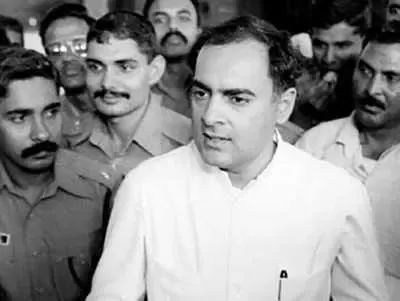
Senior Congress leader V. Hanumantha Rao on Wednesday recalled the final hours he spent with former Prime Minister Rajiv Gandhi during the 1991 Lok Sabha election campaign, saying Gandhi told him he was exhausted and wanted to sleep before resuming his journey. Speaking in Hyderabad, Rao said the former Prime Minister asked him not to bring anyone to meet him as he needed rest.
Last hours of the 1991 campaign
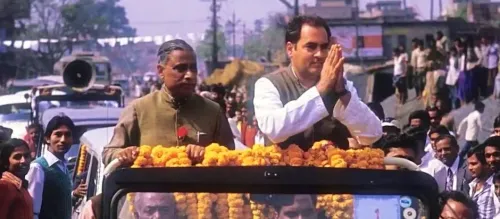
Rao, who had worked closely with Rajiv Gandhi, placed the exchange in May 1991, when Gandhi was moving across states as part of his parliamentary campaign. According to Rao, the former Prime Minister had arrived from Odisha and still had programmes lined up in Tamil Nadu.
“I was there when he came for the election campaign from Odisha to Seethakulam. Then there was a campaign in Vijayanagar, and he had a few programmes lined up in Chennai too. I was there at the airport with him,” Rao said.
He recalled that Rajiv Gandhi also spoke to him about his political future during the journey. “He told me, ‘Hanumath, we will work together after these parliamentary elections; I will make you the Chief Minister of Andhra’,” Rao said.
Aircraft snag and the tiredness remark
Rao also described a flight that Rajiv Gandhi was scheduled to take. The former Prime Minister was initially supposed to travel in a small aircraft, but the pilot informed them that technical problems had been detected and the flight could not take off. Rao said Rajiv Gandhi, himself a trained pilot, inspected the situation before deciding to return to the guest house.
“As soon as he sat in the vehicle, he said to me, ‘Hey Hanumath! I'm too tired; I want to sleep. Don't bring anyone’,” Rao recalled.
Shortly afterwards, the pilot informed them that the aircraft was ready and they could resume their journey. Rajiv Gandhi then decided to return and continue travelling. Rao said he received the news of Rajiv Gandhi’s assassination the following morning.
Security cover after he left office
The Congress leader also referred to the security arrangements made for Rajiv Gandhi after he ceased to be Prime Minister, alleging that his security cover had been reduced despite earlier threats to his life. Rao recalled that Rajiv Gandhi had faced an attack during his visit to Sri Lanka while serving as Prime Minister and that there had also been security concerns during his subsequent visits to Bihar.
Questioning the reduction in protection after he left office, Rao said the withdrawal of the cover provided to a former Prime Minister had exposed him to serious risks. Notably, this is a charge the Congress has returned to repeatedly in the decades since the killing, arguing that a scaled-down ring of protection around a high-risk former Prime Minister created a fatal gap on the campaign trail.
Gandhi family revisits the assassination
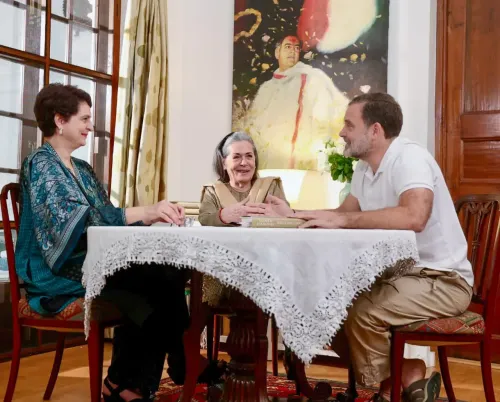
Rao also referred to a recent discussion involving Congress leader Rahul Gandhi, Sonia Gandhi and Priyanka Gandhi Vadra, during which the family reportedly revisited the circumstances surrounding Rajiv Gandhi’s assassination. He said the conversation brought back memories of the events leading up to the killing on 21 May 1991 and the security-related concerns that had preceded it.
Rajiv Gandhi was assassinated in a suicide bombing carried out by an LTTE operative at Sriperumbudur in Tamil Nadu on 21 May 1991, while campaigning for the Lok Sabha elections. This comes amid a fresh political flashpoint: Rahul Gandhi has recently alleged that the withdrawal of Rajiv Gandhi’s security was not an oversight, but a purposeful decision meant to clear the way for his assassination. Rao’s account of fatigue, a grounded aircraft and a request not to be disturbed does not itself prove that claim, but it adds a first-person texture to the last hours before the Sriperumbudur bombing.
Why the recollection matters
More than three decades later, the assassination remains one of independent India’s gravest political security failures. Rao’s remarks reconnect a personal memory — a tired campaigner asking only to sleep — with an unresolved public argument over who reduced a former Prime Minister’s protection and whether that reduction was administrative or intentional. For Congress workers in the Telugu-speaking states, the additional detail that Gandhi had spoken of making Rao Chief Minister of Andhra after the polls also underlines how abruptly the 1991 campaign was cut short.
Successive inquiries have long established the LTTE’s role in the suicide attack. What remains politically contested is the chain of decisions on security after Rajiv Gandhi demitted office. Rao’s intervention keeps that contest alive, even as it offers a human snapshot of the last night of travel. How the Congress chooses to press Rahul Gandhi’s allegation — and whether it produces documentary evidence of a deliberate drawdown — will shape the next round of this debate.
Point of View
Not accidental. That leap from lapses to intent is the part that demands documents, not nostalgia. Recollections of fatigue and a grounded aircraft humanise the last night, but they do not, by themselves, settle who reduced the ring of protection or why.
NationPress
25 Nov 2026
Frequently Asked Questions
What did Hanumantha Rao say about Rajiv Gandhi’s last hours?
V. Hanumantha Rao said Rajiv Gandhi told him during the 1991 campaign that he was too tired, wanted to sleep, and asked that no one be brought to meet him. Rao placed the exchange just before Gandhi resumed travel, and said he learnt of the assassination the following morning.
When and where was Rajiv Gandhi assassinated?
Rajiv Gandhi was assassinated on 21 May 1991 at Sriperumbudur in Tamil Nadu while campaigning for the Lok Sabha elections. The killing was a suicide bombing carried out by an LTTE operative.
What did Rao allege about Rajiv Gandhi’s security?
Rao alleged that Rajiv Gandhi’s security cover was reduced after he ceased to be Prime Minister, despite earlier threats. He cited an attack during Gandhi’s visit to Sri Lanka while in office and later security concerns during visits to Bihar.
What did Rajiv Gandhi tell Rao about Andhra?
According to Rao, Rajiv Gandhi told him they would work together after the parliamentary elections and that he would make him the Chief Minister of Andhra. Rao said this was discussed during the 1991 campaign journey.
What has Rahul Gandhi said about the security withdrawal?
Rahul Gandhi has recently alleged that the withdrawal of Rajiv Gandhi’s security was not an oversight, but a purposeful decision meant to clear the way for his assassination. Rao said a recent family discussion involving Rahul Gandhi, Sonia Gandhi and Priyanka Gandhi Vadra brought those circumstances back into focus.