How Many Mortal Remains of Indian Nationals Were Brought Back Between 2016-2025?
Synopsis
The Ministry of External Affairs reported that between 2016 and 2025, the remains of 54,511 Indian nationals were repatriated. Understanding the complexities of this process highlights the government's commitment to supporting families in their time of need.
Key Takeaways
54,511 Indian nationals' remains repatriated from 2016 to 2025 .
Challenges include high costs and documentation delays.
MEA follows a Standard Operating Procedure for repatriation support.
Emergency consular helplines are available 24/7.
ICWF assists families with financial challenges.
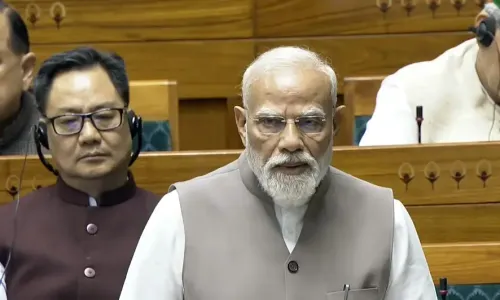
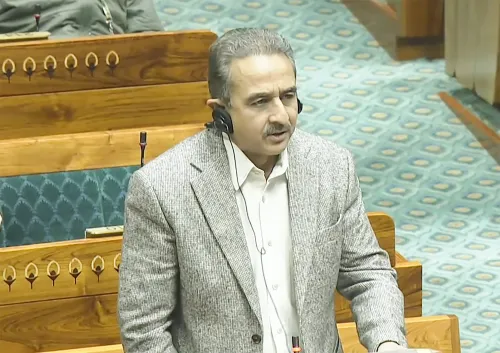
New Delhi, Dec 12 (NationPress) The Ministry of External Affairs (MEA) informed Parliament on Friday that there has been no significant increase in the deaths of Indian nationals residing or working abroad. It was reported that the mortal remains of 54,511 Indians were repatriated to the country from 2016 to 2025.
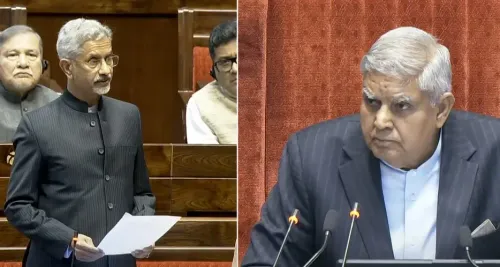
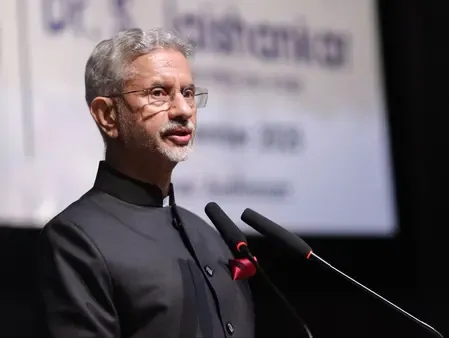
This clarification was included in a written response from External Affairs Minister S. Jaishankar, addressing inquiries in the Lok Sabha regarding the challenges, delays, and procedures involved in the repatriation of deceased individuals.
Data presented to the House revealed that the number of mortal remains returned to India was documented as follows: 4,167 in 2016; 4,222 in 2017; 4,205 in 2018; 5,291 in 2019; 5,321 in 2020; 5,834 in 2021; 5,946 in 2022; 6,532 in 2023; 7,096 in 2024; and 5,897 in 2025 (up to October).
The MEA has stated that Indian Missions adhere to a comprehensive Standard Operating Procedure (SOP) to aid families, liaise with local authorities abroad, and facilitate timely transportation in compliance with local regulations.
It was emphasized that no fixed timeline exists for repatriation, as this varies depending on the cause of death, the procedures of the host country, documentation needs, and whether the next of kin can provide consent.
While the processing of natural deaths usually takes between three to fourteen days, the MEA indicated that unnatural deaths may encounter delays due to police investigations, autopsies, or challenges in establishing identity, with DNA profiling sometimes required.
The government also pointed out the significant hurdles faced by families, which include high transportation costs, delays in obtaining local police or medical reports, and a lack of clarity regarding necessary documents.
To mitigate these issues, Missions have been directed to prioritize all such cases and issue No Objection Certificates (NOC) even during holidays. Dedicated 24/7 consular helplines are available for immediate support.
Furthermore, the Indian Community Welfare Fund (ICWF) is accessible to assist economically disadvantaged families who cannot afford transportation fees.
Each Mission, the MEA noted, is staffed with sufficient consular personnel to handle emergencies and coordinate with airlines and local authorities to expedite the process.
Point of View
It is imperative to recognize the government's proactive measures in facilitating the repatriation of Indian nationals' remains. The challenges faced by families during these trying times are significant, and the government's commitment to prioritizing these cases reflects its dedication to its citizens abroad.
NationPress
20 Sept 2026
Frequently Asked Questions
How many Indian nationals' remains were repatriated between 2016 and 2025?
A total of 54,511 Indian nationals' mortal remains were repatriated to India during this period.
What are the common challenges faced in the repatriation process?
Challenges include high transportation costs, lengthy documentation processes, and delays due to local regulations and investigations.
What support is available for families during this process?
The Indian Community Welfare Fund (ICWF) provides assistance to economically weaker families unable to bear transportation expenses.
How does the Indian government assist families in repatriation?
Indian Missions follow a detailed Standard Operating Procedure to assist families and ensure timely transportation in accordance with local laws.
What is the typical timeframe for repatriation of remains?
Natural deaths usually take between three to fourteen days, while unnatural deaths may take longer due to various investigations.