RSS flags demographic imbalance at Visakhapatnam meet, cites social harmony risk
Synopsis
At a three-day all-India coordination meeting near Visakhapatnam, the RSS explicitly flagged 'demographic imbalance' — citing a sharp rise in some communities and a decline in others — as a threat to social harmony. The Sangh says it is actively planning a response through its NGO network, even as critics warn such framing risks stoking community tensions.
Key Takeaways
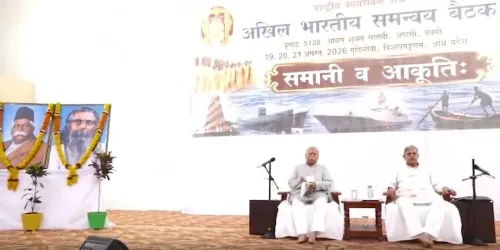
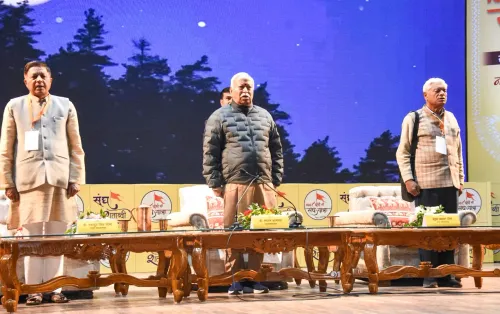
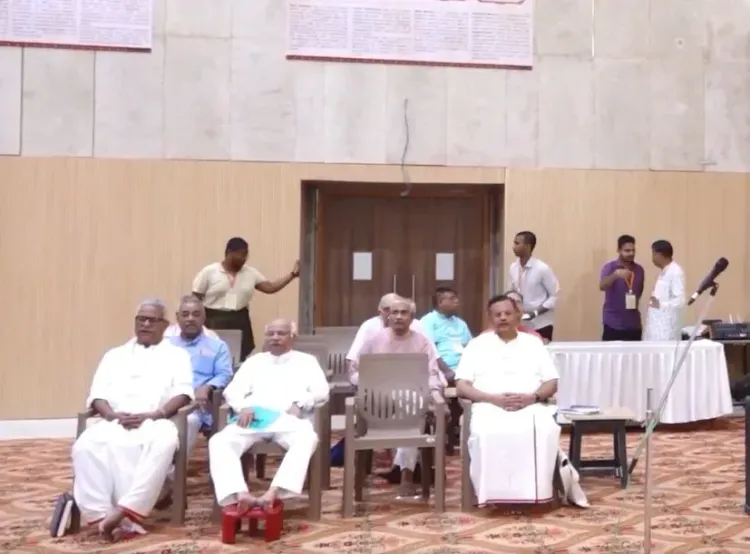
The RSS and affiliated organisations concluded a three-day all-India coordination meeting at Gudilova, near Visakhapatnam on 21 August .
RSS Joint General Secretary C.R.
Mukund said demographic imbalance — driven by population shifts across communities — is affecting social harmony in some regions.
Demographic scientists have reportedly projected India could face ageing-society challenges within 3–4 decades , despite currently holding the world's largest youth population.
Approximately 21,000 young volunteers attended the Sangh's 21-day training camps this year; youth make up over 60% of daily Shakha attendees.
The meeting flagged NEET and systemic failures as sources of youth anxiety, and called for a coordinated societal response to drug abuse .
The Sangh said it is 'thinking and planning' on demographic issues through its NGO and affiliated-organisation network, without announcing specific measures.
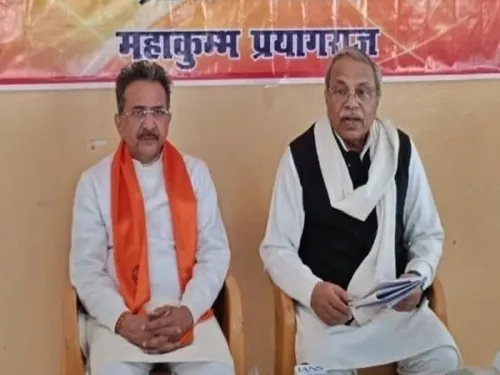
The Rashtriya Swayamsevak Sangh (RSS) and its affiliated organisations raised serious concerns over demographic imbalance in India at the conclusion of a three-day all-India coordination meeting in Gudilova, near Visakhapatnam, on Friday, 21 August, warning that such shifts are affecting social harmony in certain regions of the country.
Key Concerns Raised
RSS Joint General Secretary C.R. Mukund, briefing reporters after the meeting, said deliberations centred on the twin challenges of a declining fertility rate and a sharp population rise in certain communities alongside a decline in others. 'Fertility rate coming down is one issue, but there is also demographic imbalance, which we have discussed. This is affecting social harmony in some regions,' Mukund said.
The meeting noted that while India currently holds the distinction of having the world's largest youth population, demographic scientists have reportedly projected that India could face challenges similar to those seen in ageing societies within the next three to four decades. The RSS said it examined India's position in the broader global context of declining fertility rates and ageing populations.
What the Sangh Plans to Do
Mukund indicated that the organisation is in an active planning phase regarding the demographic question. 'We discussed what we can do as NGOs and other Sangh-inspired organisations. We are thinking and planning,' he said. No specific policy prescriptions or timelines were announced at this stage.
Discussions also covered the need to maintain social balance while addressing changing demographic proportions across various regions and communities, and their broader societal impacts.
Youth, NEET Protests, and Drug Abuse
The meeting devoted significant attention to India's youth. Mukund said approximately 21,000 young volunteers participated in the Sangh's 21-day training camps this year, and that youth account for over 60 per cent of volunteers attending daily Shakhas across the country.
Responding to a query about the recent protest by youth at Jantar Mantar, Mukund attributed it to systemic failures. 'Wherever there are flaws in the system, addressing them requires awareness and effort from society alongside the government. Issues like NEET or other systemic problems give rise to anxiety among the youth regarding their future. It is essential to understand and resolve this concern,' he said, adding that protest alone would not provide solutions and that both government and society must work constructively.
The meeting also expressed serious concern over the growing menace of drug abuse among students and youth, calling for coordinated efforts involving educational institutions, parents, social organisations, the administration, and the police to build a drug-free society.
Background and Significance
This is among the most high-profile RSS coordination conclaves in recent years, bringing together leaders of a wide network of Sangh-affiliated organisations under one roof. The explicit flagging of 'demographic imbalance' as a threat to social harmony is notable — critics argue such framing can inflame community tensions, while the RSS maintains it is raising a legitimate governance and social planning concern. The meeting's conclusions are expected to shape the Sangh's outreach agenda in the months ahead.
Point of View
But the more consequential detail is what comes next: the Sangh's network of NGOs and affiliated organisations is now reportedly in planning mode on this issue, which means it could translate into grassroots mobilisation well before any formal policy debate. The invocation of global ageing trends as context is a rhetorical move designed to lend demographic legitimacy to an argument that critics see as communally coded. Whether the government engages with this framing — or distances itself — will be a political signal worth watching.
NationPress
5 Oct 2026
Frequently Asked Questions
What did the RSS say about demographic imbalance at the Visakhapatnam meeting?
RSS Joint General Secretary C.R. Mukund said the meeting took the issue seriously, noting a sharp rise in the population of some communities and a decline in others, and warned this is affecting social harmony in certain regions. The Sangh said it is actively planning a response through its NGO and affiliated-organisation network.
Where and when did the RSS coordination meeting take place?
The three-day all-India coordination meeting of the RSS and its affiliated organisations was held at Gudilova, near Visakhapatnam, concluding on Friday, 21 August.
What did the RSS say about India's youth and the NEET protests?
The meeting noted that approximately 21,000 young volunteers attended the Sangh's 21-day training camps this year, with youth comprising over 60 per cent of daily Shakha attendees. On the Jantar Mantar protests, Mukund attributed them to systemic failures, saying issues like NEET create anxiety among youth and require a constructive response from both government and society.
What concern did the RSS raise about drug abuse?
The meeting expressed serious concern over increasing access to narcotics among students and youth, calling for coordinated efforts involving schools, parents, social organisations, police, and the administration — going beyond a purely law-enforcement response.
How does the RSS's demographic concern connect to global trends?
The RSS said it examined India's demographic situation in the context of ageing populations and declining fertility rates seen globally. While India currently has the world's largest youth population, demographic scientists have reportedly projected that India could face similar ageing challenges within three to four decades.