RSS leader Sunil Ambekar: Sangh lacked strength in 1947, else Partition would not have happened
Synopsis
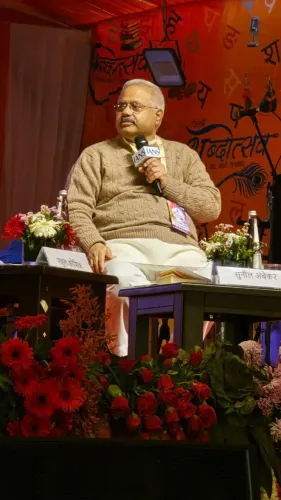
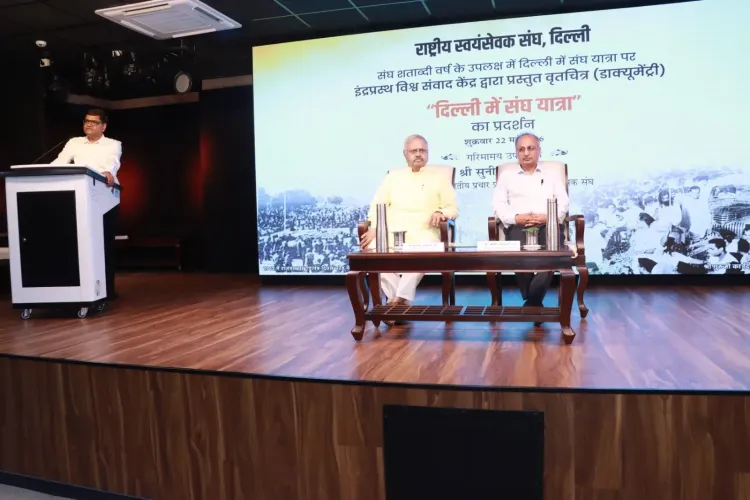
RSS's Akhil Bharatiya Prachar Pramukh Sunil Ambekar made a pointed historical claim on Friday: had the Sangh been stronger in 1947, India's Partition would not have happened. The remark came at the Delhi screening of 'Delhi Mein Sangh Yatra,' a documentary marking the RSS centenary — and signals how the organisation is actively shaping its own historical narrative as it enters its second century.
Key Takeaways
Sunil Ambekar , RSS Akhil Bharatiya Prachar Pramukh, said on 22 May that the Sangh lacked sufficient strength in 1947 to prevent Partition.
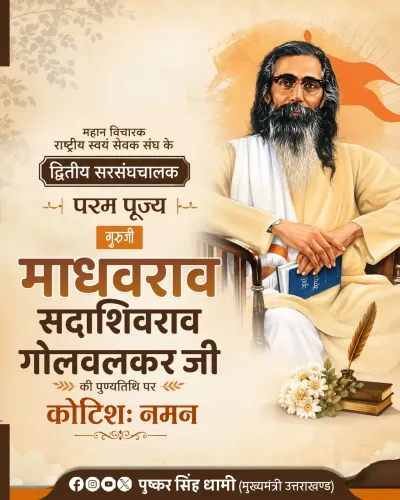
He recalled that RSS chief M.S.
Golwalkar was in Karachi during the first fortnight of August 1947 , guiding volunteers to protect the Hindu community.
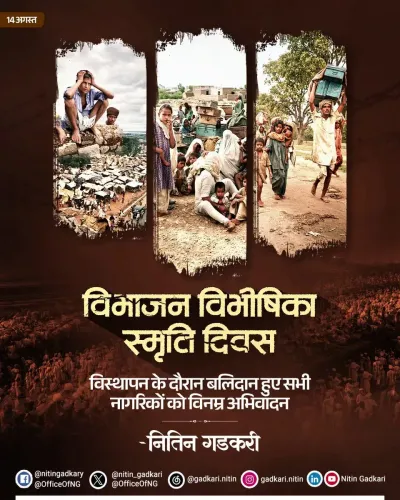
Hundreds of thousands of displaced persons were reportedly sheltered in RSS-run camps during Partition.
The documentary 'Delhi Mein Sangh Yatra' was screened by the Indraprastha Vishwa Samvad Kendra , drawing on interviews with over 60 senior functionaries and more than 85 books .
The event also featured a special centenary issue of 'Apni Delhi Apni Baat' magazine titled '100 Years of National Service' .
Sunil Ambekar, the Akhil Bharatiya Prachar Pramukh of the Rashtriya Swayamsevak Sangh (RSS), on Friday, 22 May asserted that the RSS had expanded rapidly across Delhi and the entire Punjab region between 1942 and 1947, but lacked sufficient strength at the time of Partition. Had the organisation been stronger, Ambekar argued, the division of the country would not have occurred. He was speaking in New Delhi at the screening of a documentary titled 'Delhi Mein Sangh Yatra' (The Sangh's Journey in Delhi), presented by the Indraprastha Vishwa Samvad Kendra.
Ambekar's Claims on Partition and RSS Role
Ambekar recalled that the second RSS chief, M.S. Golwalkar — widely referred to within the organisation as 'Guruji' — had issued a directive at the time of Partition, instructing that Hindus residing in the region that became Pakistan must be fully protected. Volunteers were reportedly asked to stand their ground until the very last displaced individual had reached safety.
Ambekar noted that countless RSS volunteers lost their lives in this effort, and that the suffering endured during the process remains incalculable. Hundreds of thousands of people were sheltered in camps established for the displaced. During the first fortnight of August 1947, when widespread turmoil gripped the region, Golwalkar was reportedly in Karachi, guiding volunteers on how to manage the massive task of protecting the Hindu community.
On the RSS's Founding Purpose
Ambekar also addressed the broader ideological mission of the RSS, drawing a distinction between political engagement and societal work. He said: 'Had the Sangh or RSS founder KB Hedgewar intended to engage in politics, they would have simply launched a new political party. Instead, their objective was to build society and bring about a cultural awakening across the entire social fabric. It was for this very reason that the Rashtriya Swayamsevak Sangh was established. Its sole purpose was the service of society, the upliftment of society, the strengthening of society, and the empowerment of the entire nation to stand tall with self-confidence, relying entirely on its own inherent strength.'
The Sangh's Century-Long Presence in Delhi
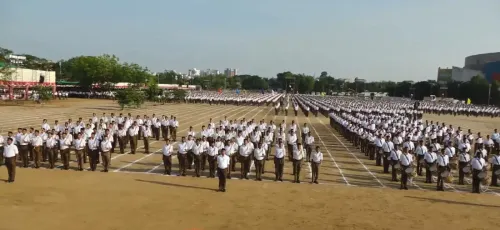
Ambekar noted that the RSS's work in Delhi dates to the organisation's earliest years, initiated during the tenure of its first chief, Dr. Hedgewar. He said Delhi has held distinct significance in every major national event over the past century, and the Sangh's work in the capital has been central to that historical process. Operating through its network of shakhas, the RSS functioned as a socio-cultural organisation focused on broad societal mobilisation rather than narrow programmatic activity — work that, according to Ambekar, has continued uninterrupted to the present day.
About the Documentary and Its Making
Ritesh Agarwal, the Delhi Prant Prachar Pramukh of the RSS, described the documentary as a narrative tracing the Sangh's journey in Delhi from its inception to its current widespread presence, drawing on evidence, personal recollections, and historical events. He said more than 60 senior Sangh functionaries in Delhi were interviewed, over 85 books were studied, newspapers and articles were reviewed, and archival material was gathered from various repositories. More than 100 hours of video footage were examined, including vintage footage and interviews from the archives of the Indraprastha Vishwa Samvad Kendra.
Anil Agarwal, the Delhi Prant Sanghchalak, remarked that continuity and adaptability are the defining characteristics of the Sangh's work. The event was also attended by senior RSS functionaries including Ashok Porwal (Central Office Secretary), Vishal (Delhi Prant Pracharak), Rajesh (Delhi Prant Sah-Karyavah), Dilip (Central Office Management Team), Rajveer (North Zone Office Secretary), and Ashok Sachdeva (President, Indraprastha Vishwa Samvad Kendra).
The documentary's release coincides with the RSS centenary year, and a special commemorative issue of the magazine 'Apni Delhi Apni Baat' titled '100 Years of National Service' was also highlighted at the event. The screening marks a broader effort by the organisation to document and disseminate its own institutional history as it enters its second century.
Point of View
A framing that mainstream historians contest. The timing is notable: as the RSS marks its centenary, it is investing heavily in institutionalising its own version of history through films, magazines, and archival projects. The risk of this approach is that curated institutional memory, however sincerely produced, can blur the line between historical record and ideological self-projection — particularly on an event as contested as Partition.
NationPress
7 Oct 2026
Frequently Asked Questions
What did RSS leader Sunil Ambekar say about Partition?
Sunil Ambekar said that had the RSS possessed sufficient strength in 1947, the Partition of India would not have taken place. He made the remark at a documentary screening in New Delhi on 22 May, noting that the Sangh had expanded rapidly across Delhi and Punjab between 1942 and 1947 but was not strong enough at the critical moment.
What is the 'Delhi Mein Sangh Yatra' documentary?
'Delhi Mein Sangh Yatra' is a documentary produced by the Indraprastha Vishwa Samvad Kendra that traces the RSS's journey in Delhi from its earliest days to its present-day presence. It was made using interviews with over 60 senior functionaries, more than 85 books, and over 100 hours of archival video footage.
What role does Sunil Ambekar claim the RSS played during Partition?
Ambekar claimed that RSS chief M.S. Golwalkar directed volunteers to protect Hindus in the region that became Pakistan, and that Golwalkar himself was in Karachi during the first fortnight of August 1947 to oversee this effort. He said countless volunteers sacrificed their lives and that hundreds of thousands of displaced persons were sheltered in RSS-run camps.
Why did the RSS hold this event in Delhi?
The event marked the RSS centenary year and the screening of a documentary on the organisation's history in Delhi. It also featured the launch of a special commemorative issue of the magazine 'Apni Delhi Apni Baat' titled '100 Years of National Service.'
What did Ambekar say about the RSS's founding purpose?
Ambekar said RSS founder KB Hedgewar never intended to launch a political party; the organisation's founding purpose was societal service, cultural awakening, and national empowerment through its shakha network — not electoral politics.