Rural, tribal budgets surge as Centre pushes inclusive growth in 2026-27
Synopsis
India's rural development budget has tripled in a decade to ₹2.73 lakh crore, gram panchayat transfers have nearly doubled under the 16th Finance Commission, and tribal allocations have surged over three times — a data-heavy government factsheet released days before Independence Day 2026 frames this as the backbone of inclusive growth.
Key Takeaways
Gram panchayat fiscal transfers nearly doubled from ₹2.36 lakh crore (15th Finance Commission) to ₹4.35 lakh crore (16th Finance Commission, 2026–31).
Rural development Union Budget allocation rose three-fold from ₹87,765 crore (2016–17) to ₹2.73 lakh crore (2026–27).
Tribal affairs budget surged from ₹4,826 crore (2016–17) to ₹15,421.97 crore (2026–27).
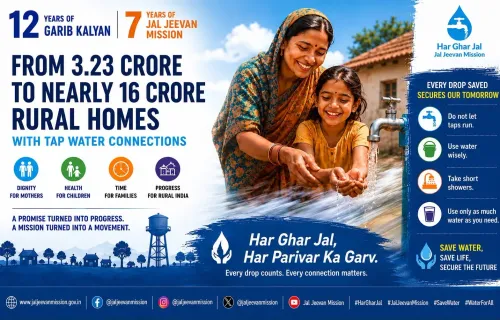
Household tap water coverage expanded from 3.23 crore (August 2019) to over 15.91 crore (12 August 2026) under Jal Jeevan Mission.
Over 3.13 crore PMAY-G houses completed; 3.91 crore sanctioned as of 12 August 2026 .
Girls' enrolment at Class 9–10 level rose from 75.5% (2014–15) to 83.4% (2025–26) under Beti Bachao Beti Padhao.
The Centre's budgetary allocations for rural and tribal communities have seen dramatic increases, according to a government factsheet released on Thursday, 13 August 2026, signalling a sustained push toward inclusive development through improved basic services, infrastructure, skills, education, and financial security at the grassroots level.
Sharp Rise in Fiscal Transfers
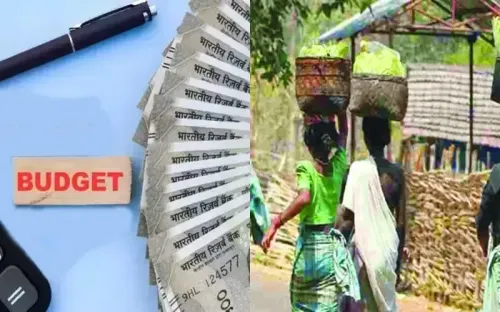
Direct fiscal transfers to gram panchayats have nearly doubled — from ₹2.36 lakh crore under the 15th Finance Commission (2021–26) to ₹4.35 lakh crore under the 16th Finance Commission (2026–31). The Union Budget allocation for rural development has seen an even sharper climb, rising three-fold from ₹87,765 crore in 2016–17 to ₹2.73 lakh crore in 2026–27.
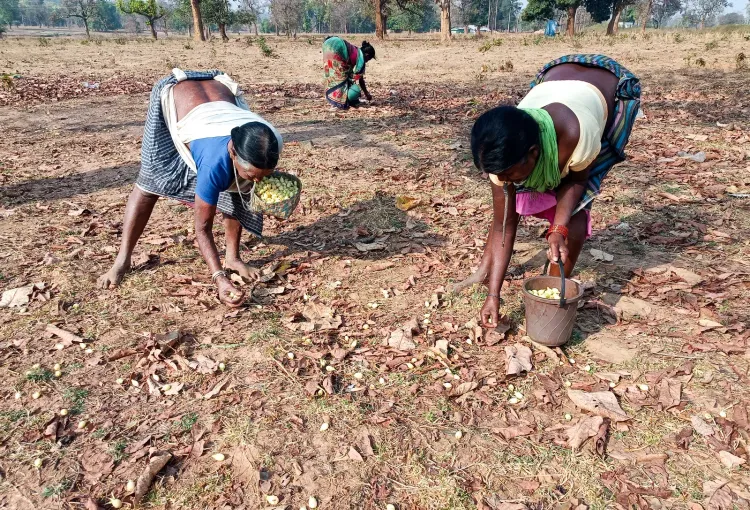
Tribal affairs have received comparable attention. The allocation for tribal communities in the Union Budget has surged more than three times — from ₹4,826 crore in 2016–17 to ₹15,421.97 crore in 2026–27, the factsheet states.
Basic Services: Water, Sanitation, Electricity
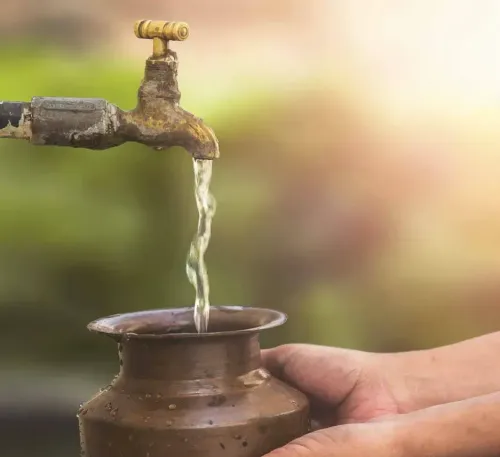
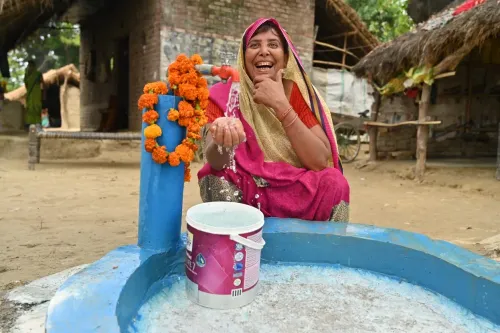
The government has prioritised universal access to essential services, with the Jal Jeevan Mission driving a significant expansion of household tap water coverage — from 3.23 crore households in August 2019 to over 15.91 crore as of 12 August 2026. As many as 2.89 lakh villages have reported 100 per cent tap water coverage under the 'Har Ghar Jal' campaign.
On the power front, 100 per cent village electrification was achieved by 2025 under the Deendayal Upadhyaya Gram Jyoti Yojana. Under the Swachh Bharat Abhiyan–Grameen, over 12.19 crore individual household toilets have been constructed as of 12 August, following India's declaration as Open Defecation Free (ODF) in 2019.
Housing, Women, and Girl Child
Under the Pradhan Mantri Awaas Yojana–Gramin (PMAY-G), over 3.91 crore brick-and-mortar houses have been sanctioned for the rural poor, with 3.13 crore already completed as of 12 August 2026. The programme has been credited with meaningfully improving living standards for the rural poor.
Progress on gender equity has also been notable. Under the Beti Bachao Beti Padhao initiative, the enrolment ratio for girls at the Class 9–10 level has risen from 75.5 per cent in 2014–15 to 83.4 per cent in 2025–26, alongside a sharp decline in school dropout rates among girls.
Welfare Provisions for the Poor
The factsheet also highlights progress in welfare provisioning, including free foodgrains, LPG connections, and health insurance coverage for economically vulnerable households. These measures, the government says, have collectively improved living conditions for millions at the bottom of the economic pyramid.
Notably, this data release comes ahead of Independence Day 2026, with the Centre positioning its decade-long social infrastructure push as a foundation for what it calls 'inclusive growth.' Whether the outlays translate into durable improvements in income and opportunity — beyond access metrics — will determine the long-term impact of these programmes.
Point of View
Not incremental adjustment. But India's development story has a persistent gap between outlay and outcome: toilet construction counts don't equal sanitation behaviour change, and house sanctions don't always become occupied homes. The real test is whether access metrics — tap connections, electrified villages, sanctioned houses — are translating into income mobility and reduced distress migration. That data, conspicuously absent from the factsheet, is what would make the inclusive growth claim conclusive rather than aspirational.
NationPress
27 Sept 2026
Frequently Asked Questions
How much has India's rural development budget increased?
India's Union Budget allocation for rural development has tripled from ₹87,765 crore in 2016–17 to ₹2.73 lakh crore in 2026–27, according to a government factsheet released on 13 August 2026. Direct fiscal transfers to gram panchayats have also nearly doubled under the 16th Finance Commission.
What is the 16th Finance Commission's allocation for gram panchayats?
The 16th Finance Commission (2026–31) has allocated ₹4.35 lakh crore in direct fiscal transfers to gram panchayats, up from ₹2.36 lakh crore under the 15th Finance Commission (2021–26). This represents a near-doubling of local body funding in a single commission cycle.
How many households have received tap water under Jal Jeevan Mission?
As of 12 August 2026, over 15.91 crore households have tap water coverage under the Jal Jeevan Mission, up from 3.23 crore in August 2019. A total of 2.89 lakh villages have reported 100 per cent tap water coverage under the 'Har Ghar Jal' campaign.
What is the status of rural housing under PMAY-G?
Under Pradhan Mantri Awaas Yojana–Gramin (PMAY-G), over 3.91 crore houses have been sanctioned for the rural poor, with 3.13 crore completed as of 12 August 2026. The scheme provides brick-and-mortar homes to economically vulnerable rural households.
How has the tribal affairs budget changed since 2016-17?
The Union Budget allocation for tribal affairs has risen more than three times, from ₹4,826 crore in 2016–17 to ₹15,421.97 crore in 2026–27, according to the government factsheet. This increase is part of the Centre's broader push for inclusive development of tribal communities.