PMAY, JJM, Ujjwala: How 12 years of welfare schemes reshaped Indian lives
Synopsis
From 16 per cent tap water coverage in 2019 to nearly 82 per cent by June 2026, and from negligible LPG penetration to over 10.57 crore new connections — the government's 12-year welfare scorecard is staggering in scale. Whether the numbers translate to sustained quality of life on the ground is the question independent assessors are still working to answer.
Key Takeaways
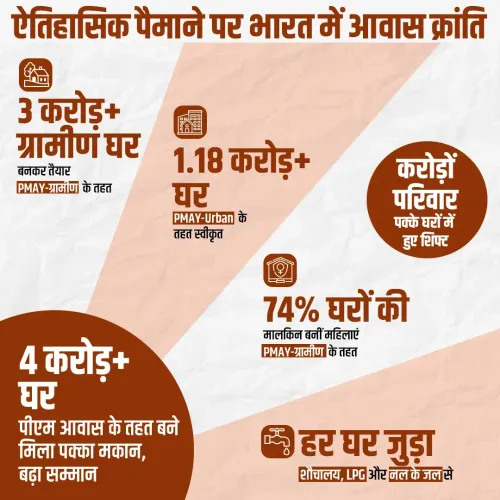
PMAY-Gramin has completed 3.05 crore rural houses out of 3.91 crore sanctioned; urban PMAY has completed over 98 lakh of 1.25 crore sanctioned.
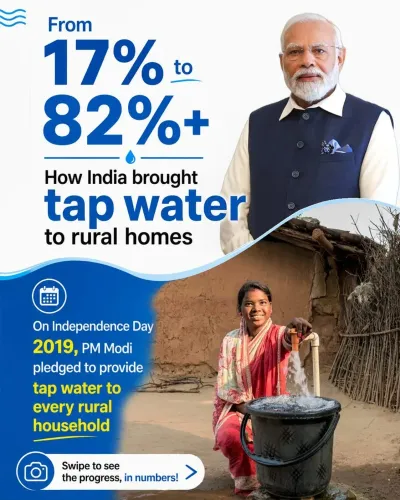
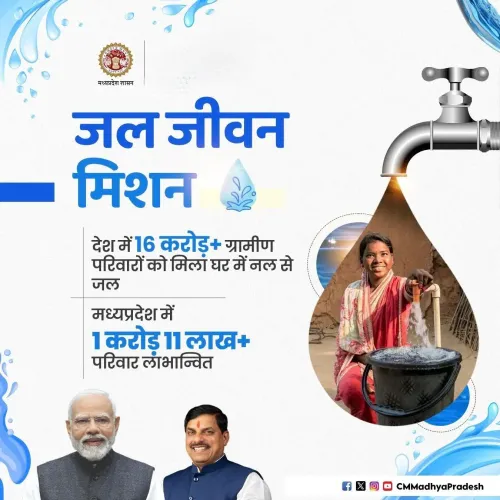
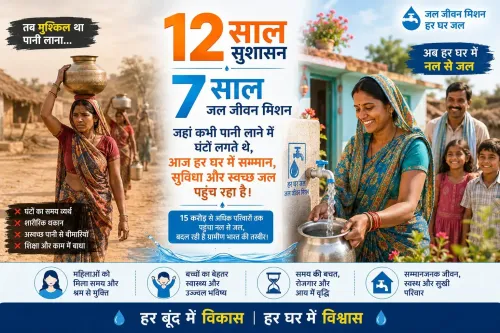
Jal Jeevan Mission raised rural tap water coverage from 16.72% in 2019 to 81.94% by June 2026 , adding over 12 crore connections.
Ujjwala Yojana has provided over 10.57 crore LPG connections, taking national coverage past 100 per cent .
Swachh Bharat Mission achieved 100 per cent rural sanitation coverage with more than 12.14 crore household toilets built.
Installed power capacity has crossed 532 GW , with renewables at 274.69 GW ; rail electrification is near 100 per cent .
PM Jan Dhan Yojana accounts have crossed 58 crore , underpinning the Direct Benefit Transfer subsidy delivery system.
India's governance landscape has undergone a sweeping transformation over the past 12 years, with flagship welfare programmes spanning housing, water, sanitation, energy, and digital access collectively redefining 'ease of living' for millions of citizens, according to an official government statement released on Monday, 15 June 2026. The statement describes the period since 2014 as a structural shift anchored in dignity, opportunity, and inclusive development.
Housing and Women Ownership
Under the Pradhan Mantri Awas Yojana (PMAY), more than 1.25 crore urban houses have been sanctioned, with over 98 lakh completed. In rural areas, PMAY-Gramin has seen 3.05 crore houses completed out of 3.91 crore sanctioned. The government noted that the scheme has ensured large-scale women ownership in housing — a social equity dimension that distinguishes it from earlier housing drives.
Water, Sanitation, and Clean Cooking Fuel
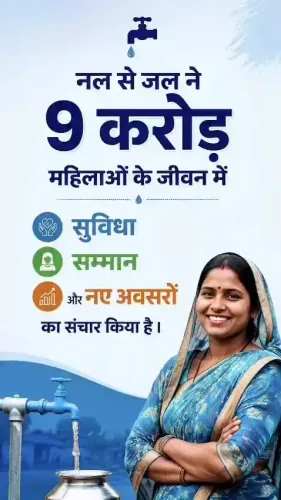
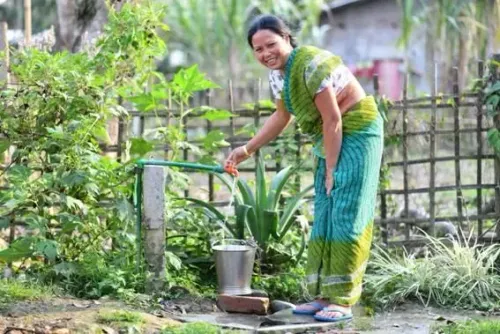
The Jal Jeevan Mission (JJM) has expanded rural tap water coverage from 16.72 per cent in 2019 to 81.94 per cent by June 2026, with over 12 crore new connections added. According to the statement, over 9 crore women have been relieved from the burden of fetching water daily.
On sanitation, the Swachh Bharat Mission has achieved 100 per cent rural sanitation coverage and overseen the construction of more than 12.14 crore household toilets. Urban India has also recorded improvements in waste processing and cleanliness indicators, the government said.
Under the Pradhan Mantri Ujjwala Yojana, over 10.57 crore LPG connections have been provided, pushing national LPG coverage beyond 100 per cent — a figure that reflects both new connections and existing household penetration.
Power, Roads, and Digital Infrastructure
India's installed power capacity has more than doubled since 2014, rising to over 532 GW, with renewable energy capacity reaching 274.69 GW. The statement said rural and urban electricity supply hours have improved substantially and power shortages have fallen to near-zero levels.
On mobility, India's road network has grown to 63.73 lakh km, while national highways have expanded by nearly 61 per cent. Metro rail now covers 26 cities with over 1,150 km of network, and rail electrification has reached almost 100 per cent. Under the UDAN regional connectivity scheme, 665 routes have been operationalised and the number of airports has grown to 165.
Financial Inclusion and Governance Reforms
The PM Jan Dhan Yojana has pushed bank account numbers to over 58 crore, with strong uptake in Direct Benefit Transfer (DBT) systems that route subsidies directly to beneficiaries. The government cited this as central to reducing leakage in welfare delivery.
On governance, the Jan Vishwas Act was highlighted as a major step in reducing compliance burden and decriminalising minor offences. Digital platforms including MyGov and CPGRAMS have been positioned as tools for citizen engagement and grievance redressal.
What the Numbers Add Up To
Taken together, the government's account presents a wide-ranging infrastructure and welfare push — though independent assessments of outcomes, particularly on housing quality, water sustainability, and employment linkages, remain an area of ongoing scrutiny. The statement's framing as a 'fundamental shift in ease of living' is the government's own characterisation, and the full picture of on-ground impact continues to be assessed by researchers and civil society organisations. With several schemes still mid-implementation, the pace of completion in the remaining sanctioned units will be a key indicator to watch.
Point of View
12 crore water taps, 10.57 crore LPG connections. But scale and sustainability are different metrics. Jal Jeevan Mission's 81.94 per cent coverage figure, for instance, counts connections sanctioned, not necessarily water flowing reliably year-round — a distinction that matters enormously in water-stressed districts. PMAY's women-ownership provision is a genuine policy innovation, but housing quality and location suitability remain under-reported dimensions. The broader framing of 'ease of living' is the government's own construct; what independent household surveys say about lived experience is a parallel story that deserves equal attention.
NationPress
27 Sept 2026
Frequently Asked Questions
What is the Pradhan Mantri Awas Yojana (PMAY) and how many houses have been built?
PMAY is the Centre's flagship affordable housing scheme covering both urban and rural India. As of June 2026, over 98 lakh urban houses have been completed under PMAY-Urban, while PMAY-Gramin has seen 3.05 crore rural houses completed out of 3.91 crore sanctioned.
How much has the Jal Jeevan Mission improved rural water access?
The Jal Jeevan Mission has expanded rural tap water coverage from 16.72 per cent in 2019 to 81.94 per cent by June 2026, adding over 12 crore new connections. According to the government, over 9 crore women have been relieved from the daily task of fetching water.
How many LPG connections has Ujjwala Yojana provided?
The Pradhan Mantri Ujjwala Yojana has provided over 10.57 crore LPG connections since its launch, taking national LPG coverage beyond 100 per cent according to the official statement.
What has India's power sector achieved since 2014?
India's installed power capacity has more than doubled since 2014 to over 532 GW, with renewable energy capacity reaching 274.69 GW. The government says power shortages have fallen to near-zero levels and electricity supply hours have improved in both rural and urban areas.
What is the UDAN scheme and how many airports does India now have?
UDAN (Ude Desh ka Aam Naagrik) is a regional air connectivity scheme aimed at making air travel affordable and accessible. As of June 2026, 665 routes have been operationalised under the scheme and India's total airport count has grown to 165.