Kishan Reddy Highlights 12 Years of Women's Welfare Gains
Synopsis
Union Minister G. Kishan Reddy on June 12, 2026 highlighted twelve years of central government welfare gains for women, pointing to schemes covering clean cooking fuel, tap water, maternal health under PMSMA, and access to higher education as a unified life-cycle policy achievement.
Key Takeaways
Kishan Reddy posted on June 12, 2026 highlighting 12 years of women-focused welfare expansion under the central government.
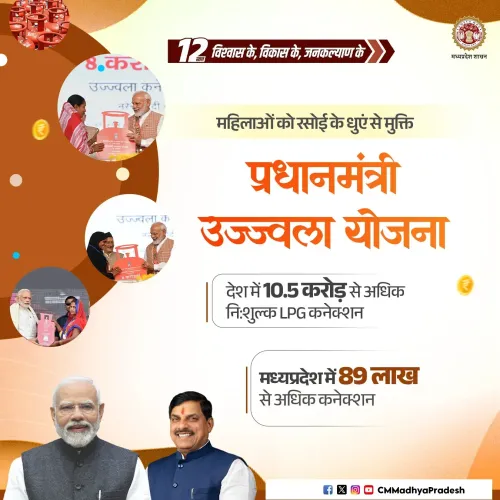
The Pradhan Mantri Ujjwala Yojana , launched May 2016 , provided LPG connections to women from below-poverty-line households for clean cooking fuel.
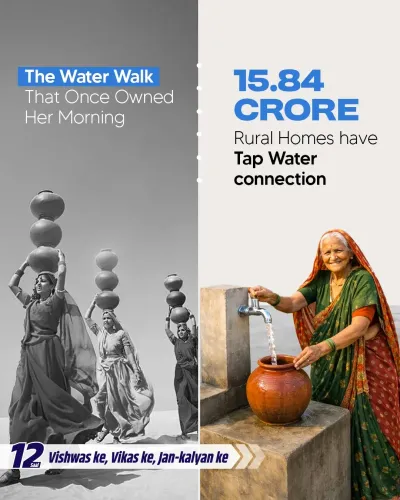
The Jal Jeevan Mission , announced August 2019 , aims to deliver functional household tap water connections to every rural home in India.
The Pradhan Mantri Surakshit Matritva Abhiyan (PMSMA) , launched June 2016 , guarantees fixed-day antenatal care on the 9th of every month at government health facilities.
The Beti Bachao Beti Padhao scheme, launched January 2015 , targets the child sex ratio and girls' access to education.
The minister's framing positions these programmes as a cohesive life-cycle welfare arc rather than isolated interventions.
Union Coal and Mines Minister G. Kishan Reddy on Friday, June 12, 2026, highlighted what he described as twelve years of expanded opportunity for women across key life stages, citing flagship central government programmes spanning clean cooking fuel, tap water access, maternal health, and higher education.
Context
In a post on X, Kishan Reddy drew attention to a cluster of welfare initiatives, stating that 'from clean cooking fuel and tap water connections to safer pregnancies through the Pradhan Mantri Surakshit Matritva Abhiyan (PMSMA), better health outcomes, and greater access to higher education, the last 12 years have expanded opportunities for women at every stage of life.' The remark positions the period since 2014 as a cohesive policy arc rather than a series of isolated schemes.
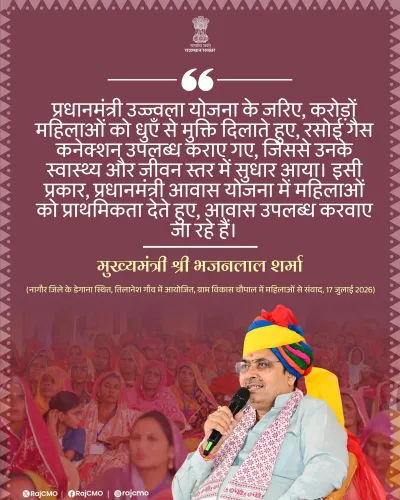
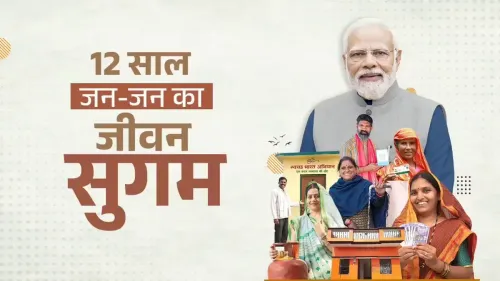
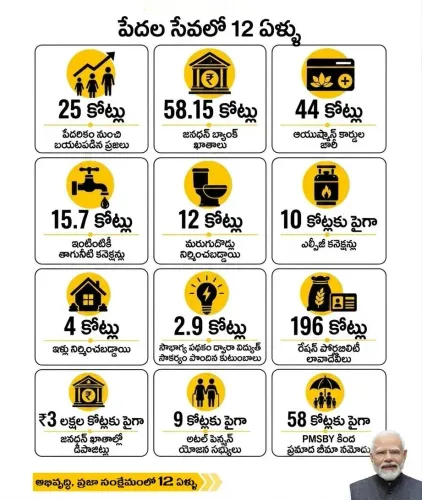
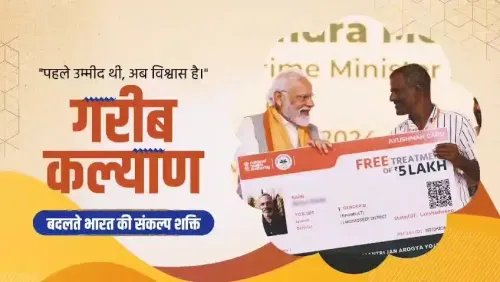
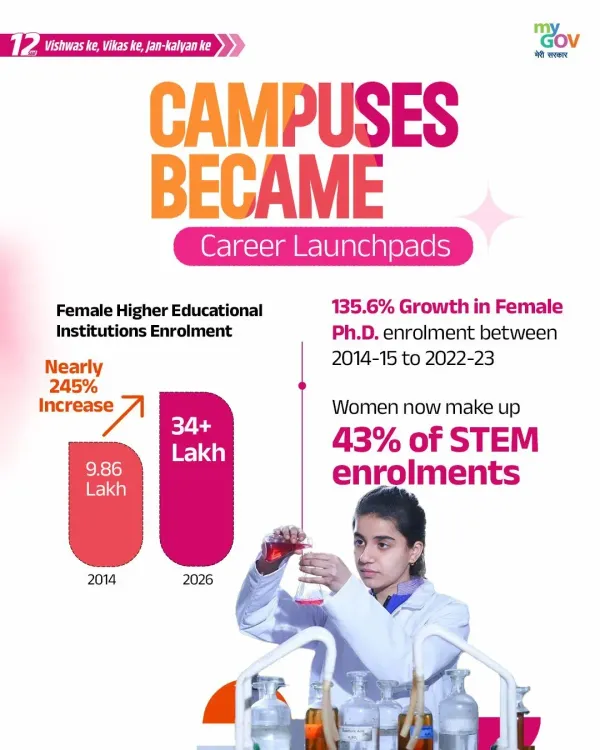
The post was accompanied by four images, suggesting a visual summary of beneficiary reach or scheme milestones, though the specific data in those images was not detailed in the text.
Policy Backdrop
The schemes referenced by the minister have distinct legislative and administrative origins. The Pradhan Mantri Ujjwala Yojana, launched in May 2016, was designed to replace unclean cooking fuels in households below the poverty line by providing free LPG connections to women. The Jal Jeevan Mission, announced in August 2019, set the goal of delivering functional household tap water connections to every rural home in India.
The Pradhan Mantri Surakshit Matritva Abhiyan, launched in June 2016 by the Ministry of Health and Family Welfare, mandates assured antenatal care for pregnant women on the 9th of every month at government health facilities, aiming to reduce maternal mortality through fixed-day, comprehensive checkups. The Beti Bachao Beti Padhao scheme, launched in January 2015, addressed the declining child sex ratio and sought to improve access to education for girls.
Together, these programmes represent a broader governmental shift toward life-cycle-based social delivery — targeting women at the household, reproductive, and educational stages simultaneously rather than through generic subsidies.
Stakeholders and Impact
The primary beneficiaries of the programmes cited are rural women, pregnant women, and girl students. Ujjwala connections directly affect household air quality and reduce the health burden on women who traditionally manage cooking. The Jal Jeevan Mission reduces the time and physical labour women in rural areas spend on water collection.
PMSMA's fixed-day antenatal model is particularly aimed at women in underserved geographies where specialist obstetric care is scarce. Progress across all these schemes is tracked through ministry dashboards that measure household-level coverage state by state, allowing for targeted follow-up in low-saturation districts.
What's Next
As the BJP Telangana state president, Kishan Reddy's framing of these achievements carries electoral as well as administrative significance, particularly in a state where the party is seeking to consolidate its presence. Future data releases from the National Family Health Survey or parliamentary committee reviews on scheme convergence will offer a clearer measure of on-ground impact. Any CAG performance audits examining the overlap between Ujjwala, Jal Jeevan Mission, and PMSMA delivery could also shape the political narrative around these claims in the months ahead.
Point of View
Bundling four distinct flagship schemes into a single twelve-year arc of women's empowerment — a framing that serves both national messaging and the BJP's state-level outreach in Telangana. The life-cycle approach he invokes, covering energy, water, maternal health, and education, reflects a maturing political strategy of presenting welfare delivery as a rights-based continuum rather than charity. As BJP Telangana state president, his amplification of central schemes also signals an effort to link the party's national governance record to its regional electoral prospects. The credibility of this arc will ultimately rest on the ground-level saturation data that future audits and surveys will surface.
NationPress
19 Sept 2026
Frequently Asked Questions
What is the Pradhan Mantri Surakshit Matritva Abhiyan (PMSMA)?
PMSMA is a Ministry of Health and Family Welfare scheme launched in June 2016 that provides assured, comprehensive antenatal care to pregnant women on the 9th of every month at government health facilities, aiming to reduce maternal mortality across India.
What did G. Kishan Reddy say about women's welfare on June 12, 2026?
Kishan Reddy stated that the last 12 years have expanded opportunities for women at every stage of life, citing clean cooking fuel through Ujjwala Yojana, tap water access through Jal Jeevan Mission, safer pregnancies through PMSMA, and greater access to higher education.
What is the Pradhan Mantri Ujjwala Yojana?
Pradhan Mantri Ujjwala Yojana is a flagship scheme launched in May 2016 to provide free LPG connections to women from below-poverty-line households, replacing unclean cooking fuels and reducing indoor air pollution.
What is the Jal Jeevan Mission?
The Jal Jeevan Mission, announced in August 2019, is a central government programme to provide functional household tap water connections to every rural home in India, with a particular focus on reducing the water-fetching burden on women.
Who is G. Kishan Reddy?
G. Kishan Reddy is the Union Minister of Coal and Mines in the Government of India and serves as the BJP state president for Telangana. He is a senior BJP leader who frequently highlights central government welfare and infrastructure initiatives.