South Korea to Launch 10 Startup Hubs by 2027 for Regional Growth
Synopsis
South Korea plans to designate 10 cities as startup hubs by 2027, starting with Daejeon, Daegu, Gwangju, and Ulsan in 2025. The move targets regional imbalance — currently, only 3 Korean cities rank in the global top 500 startup ecosystems, compared to 137 US cities. The goal: 5 Korean cities in the top 100 by 2030.
Key Takeaways
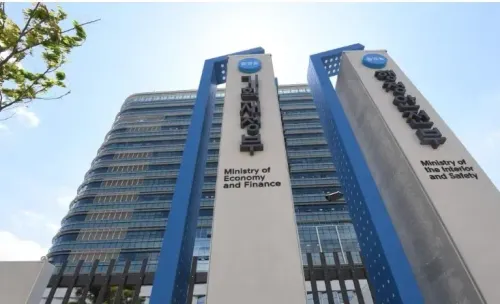
South Korea will designate 10 cities as startup ecosystem hubs by 2027 , according to the Ministry of Finance and Economy .
The first four hubs — Daejeon, Daegu, Gwangju, and Ulsan — will be officially designated in 2025 , with six more cities added in 2026 .
South Korea currently ranks 20th globally in startup competitiveness, with only 3 cities in the global top 500, compared to 137 US cities on the same list.
The government targets 5 South Korean cities in the top 100 global startup ecosystems by 2030 .
Finance Minister Koo Yun-cheol linked the initiative to South Korea's broader goal of leveraging the semiconductor boom to reassert global economic leadership.
Companies based outside the Seoul metropolitan area will receive preferential treatment in public procurement bids as an additional decentralization incentive.
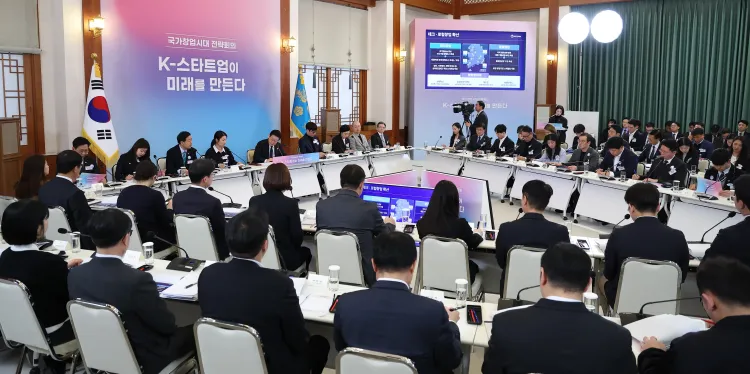
Seoul, April 24: South Korea has unveiled an ambitious plan to designate 10 cities as major startup ecosystem hubs by 2027, aiming to decentralize innovation beyond the capital and generate employment opportunities for young citizens. The announcement was made by the Ministry of Finance and Economy on Friday, April 25, at a dedicated meeting on economic strategy and startup ecosystem development.
The Phased Rollout Plan
In the first phase, the government will designate four cities — Daejeon, Daegu, Gwangju, and Ulsan — as startup hubs in 2025. These cities were selected primarily because they host South Korea's leading science and technology institutes, giving them an existing foundation for innovation-driven growth.
A second phase will follow in 2026, adding six more cities outside the greater Seoul metropolitan area. These cities will be chosen based on their startup potential and capacity to anchor regional economic activity. The staged approach reflects the government's intent to build momentum gradually while ensuring each hub receives adequate support infrastructure.
Why This Initiative Matters
South Korea's startup landscape is heavily concentrated in Seoul, leaving other regions struggling with population outflow and limited industrial development. According to the Ministry of Finance and Economy, this geographic imbalance has stunted innovation potential across the country.
Data from StartupBlink, a global startup ecosystem research platform, reveals that South Korea ranks 20th globally in startup ecosystem competitiveness. Despite strong investment in research and development (R&D) and active patent filing activity, the country has only three cities featured in the top 500 global startup cities list. By contrast, the United States has 137 cities on the list, while Britain has 34, Germany has 27, China has 26, and Japan has 6.
This stark gap underscores the urgency of the initiative and highlights how South Korea's innovation potential remains geographically bottlenecked — a structural weakness that policymakers are now directly confronting.
Specialized Industry Focus for Each Hub
Rather than adopting a one-size-fits-all model, the government plans to help each city develop a distinct industrial identity. For example, Daegu is being positioned as a hub for robotics startups, while Gwangju will focus on artificial intelligence (AI) and smart energy. Ulsan, known for its automotive legacy, will pivot toward future mobility startups.
This specialization strategy is designed to prevent redundancy between hubs and allow each city to build deep expertise, attract targeted investment, and develop a self-sustaining innovation cluster over time. It also aligns each hub's strengths with global megatrends in technology and sustainability.
Support Framework and Policy Measures
The government has committed to a comprehensive support package for startups operating in these designated cities. This includes R&D funding, investment facilitation, networking opportunities, and regulatory streamlining — measures aimed at reducing friction for early-stage companies.
Additionally, the ministry confirmed plans to support rural regions in developing businesses that leverage local resources in culture and tourism, helping stimulate local economies beyond the startup hub cities. Companies headquartered outside the Seoul metropolitan area will also receive preferential treatment in public procurement bids, creating a financial incentive for businesses to decentralize.
Finance Minister Koo Yun-cheol stated: Building on the golden window of opportunity created by the semiconductor boom, the government will work to strengthen the foundations for our economy to reemerge as a global leader by advancing proactive industrial innovation and promoting startups.
Broader Economic Ambitions and What Comes Next
The government's long-term target is to have five South Korean cities ranked within the top 100 global startup ecosystems by 2030 — a significant leap from the current standing of just three cities in the top 500.
Minister Koo also revealed that the government plans to announce a tourism industry boost strategy and an eco-friendly consumption initiative next week, alongside a new deal program designed to expand work experience opportunities for young South Koreans. These measures reflect a broader effort to address weakening consumer sentiment and youth unemployment simultaneously.
This initiative comes amid South Korea's ongoing efforts to diversify its economic engine beyond semiconductor exports and chaebols — large family-owned conglomerates that have historically dominated the economy. By nurturing a distributed startup culture, Seoul is betting on entrepreneurship as the next pillar of national competitiveness. Observers will be watching closely to see whether the 2026 city designations deliver on the promise of equitable regional development, or whether political considerations shape the selection process.
Point of View
And whether regulatory reforms actually materialize or remain on paper.
NationPress
3 Oct 2026
Frequently Asked Questions
How many cities will South Korea designate as startup hubs by 2027?
South Korea plans to designate 10 cities as startup ecosystem hubs by 2027. Four cities — Daejeon, Daegu, Gwangju, and Ulsan — will be designated in 2025, with six more added in 2026.
Why is South Korea launching the startup hub initiative?
The initiative aims to address the heavy concentration of startup infrastructure in Seoul, which has caused population outflow and economic stagnation in other regions. The government wants to promote balanced regional growth and create jobs for young people.
What is South Korea's global startup ecosystem ranking?
According to StartupBlink, South Korea ranks 20th globally in startup ecosystem competitiveness. Despite strong R&D investment, only three South Korean cities appear in the top 500 global startup cities list.
What is South Korea's startup hub target for 2030?
The South Korean government aims to have five cities ranked within the top 100 global startup ecosystems by 2030, a major leap from its current standing.
What industries will the new South Korean startup hubs focus on?
Daegu will focus on robotics, Gwangju on artificial intelligence and smart energy, and Ulsan on future mobility. Each city is being assigned a specialized industrial identity to build deep, sustainable innovation clusters.