SAIL, PT Krakatau Steel sign MoU for stainless steel JV in Indonesia
Synopsis
On the sidelines of PM Modi's Jakarta visit, SAIL and Indonesia's PT Krakatau Steel have inked an MoU to explore a stainless steel slab joint venture — pairing Indonesia's world-class nickel reserves with SAIL's five decades of steelmaking muscle. If it clears feasibility, the deal could reshape how India secures critical raw materials for its stainless steel future.
Key Takeaways
SAIL and PT Krakatau Steel (Persero) Tbk signed an MoU on 8 July to explore a stainless steel slab joint venture in Indonesia .
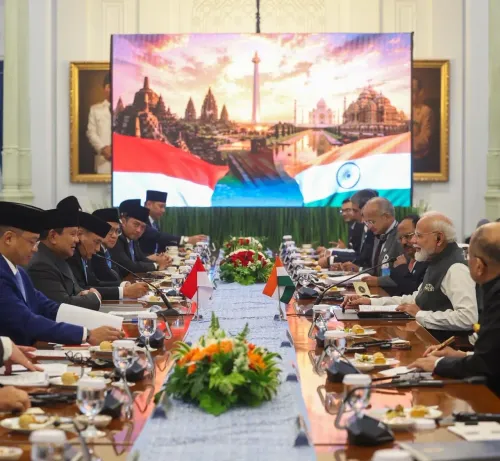
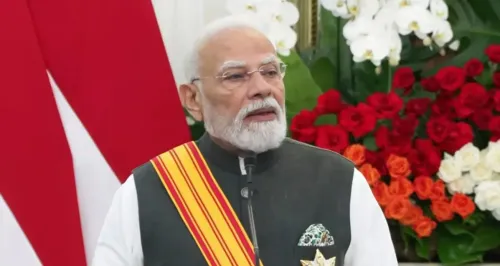
The deal was concluded during PM Narendra Modi's visit to Jakarta as part of high-level India-Indonesia government engagements.
Indonesia brings access to some of the world's richest nickel reserves; SAIL contributes over five decades of integrated steelmaking experience.
The proposed JV targets rising stainless steel demand across India and the ASEAN region.
Final details on capacity, investment, and timeline will follow feasibility studies and government approvals from both sides.
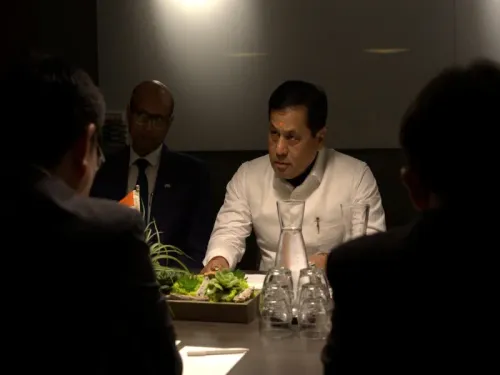
Steel Authority of India Limited (SAIL) has signed a Memorandum of Understanding (MoU) with Indonesia's PT Krakatau Steel (Persero) Tbk to explore the formation of a joint venture for manufacturing stainless steel slabs in Indonesia, according to a SAIL statement issued on Wednesday, 8 July. The agreement was concluded during high-level government engagements on the sidelines of Prime Minister Narendra Modi's visit to Jakarta.
Complementary Strengths Behind the Partnership
The proposed collaboration is built on the distinct advantages each party brings to the table. Indonesia holds access to some of the world's richest reserves of nickel — a critical raw material in stainless steel production — while SAIL contributes over five decades of steelmaking expertise, project execution capability, and experience operating large integrated steel plants. Together, the two companies aim to create a vertically integrated value chain that addresses both raw material security and manufacturing scale.
Strategic Fit Within India-Indonesia Relations
The MoU was signed as part of the broader industrial and diplomatic engagement between the two nations during Modi's Jakarta visit, signalling that the deal carries government-level backing from both sides. According to the SAIL statement, the partnership reflects a shared vision to build 'stronger and more resilient manufacturing value chains' — language that aligns with India's push to secure critical mineral supply lines and Indonesia's ambition to move up the value chain from raw mineral exports.
Market Opportunity and Regional Demand
The proposed joint venture is expected to serve the growing demand for stainless steel in both India and the broader ASEAN region. Beyond production, the collaboration is envisaged to open pathways for technology exchange, skill development, and sustainable economic growth. Sectors cited as key demand drivers include infrastructure, mobility, renewable energy, and manufacturing — all areas where stainless steel consumption is projected to rise significantly over the next decade.
What SAIL's Leadership Said
SAIL Chairman and Managing Director Ashok Kumar Panda said: 'This partnership reflects SAIL's commitment to looking beyond conventional boundaries and building capabilities for the future. As demand for stainless steel continues to grow across sectors such as infrastructure, mobility, renewable energy and manufacturing, access to reliable raw materials and strategic partnerships becomes increasingly important.'
Panda added: 'We believe this collaboration with PT Krakatau Steel has the potential to create long-term value for both companies while strengthening the economic partnership between India and Indonesia.'
Next Steps and Timeline
The MoU is exploratory in nature. Specific details — including project capacity, investment structure, implementation schedule, and technology configuration — are to be finalised after completion of feasibility studies and receipt of the necessary approvals from both organisations and their respective governments. The timeline for these approvals has not yet been disclosed. For SAIL, the agreement represents another step in its stated goal of becoming a globally competitive steel company with a diversified product portfolio and expanded international footprint.
Point of View
And a JV with Indonesia directly addresses that choke point. However, MoUs signed on the margins of diplomatic visits have a mixed conversion rate into operating plants. The real measure of this deal's ambition will be the feasibility study: whether project capacity and investment structure are sized to meaningfully move India's stainless steel supply chain, or whether this remains a bilateral goodwill gesture dressed in industrial language.
NationPress
6 Oct 2026
Frequently Asked Questions
What is the SAIL and PT Krakatau Steel MoU about?
The MoU signed on 8 July is an agreement to explore the formation of a joint venture for manufacturing stainless steel slabs in Indonesia. It pairs Indonesia's nickel reserves with SAIL's steelmaking expertise, though specific project details are yet to be finalised pending feasibility studies.
Why was the MoU signed during PM Modi's Jakarta visit?
The agreement was concluded during high-level government engagements on the sidelines of Prime Minister Narendra Modi's visit to Jakarta, giving it diplomatic backing from both the Indian and Indonesian governments. It reflects the broader push to deepen industrial ties between the two nations.
Why is Indonesia a strategic partner for stainless steel production?
Indonesia holds some of the world's richest nickel reserves, and nickel is an essential raw material for stainless steel. A joint venture in Indonesia would give SAIL direct access to this critical input, reducing supply chain vulnerability.
When will the joint venture be finalised?
No firm timeline has been announced. Details such as project capacity, investment structure, implementation schedule, and technology configuration will be determined after feasibility studies are completed and approvals are received from both companies and their respective governments.
How does this fit into SAIL's broader strategy?
SAIL has described the deal as part of its journey toward becoming a globally competitive steel company with a diversified product portfolio and stronger international presence. It is one of the company's first significant moves toward overseas manufacturing collaboration.