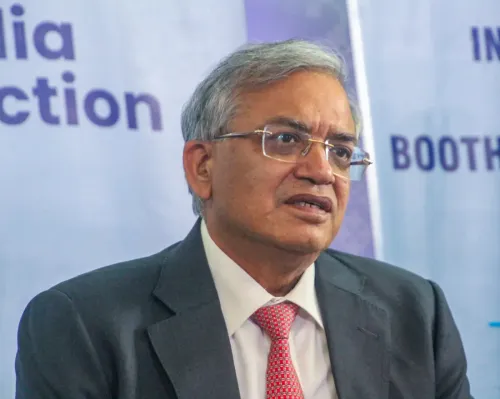
Harish Salve slams Opposition: 'Political movement to destabilise govt'
Synopsis
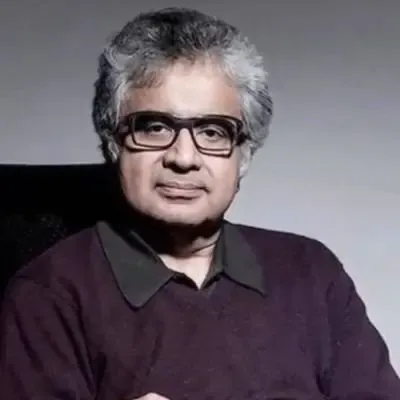
Former Solicitor General Harish Salve has called the Opposition's protest campaign a deliberate attempt to destabilise the government — and says parties are exploiting the Supreme Court as a daily political instrument. His blunt warning about conditional faith in the judiciary and the limits of the right to protest puts some of India's most powerful legal and institutional questions centre stage.
Key Takeaways
Harish Salve , former Solicitor General of India, on 12 October 2026 accused the Opposition of running a coordinated campaign to destabilise the government.
Salve alleged that the Supreme Court was being used 'as a political tool every day' by opposition parties.
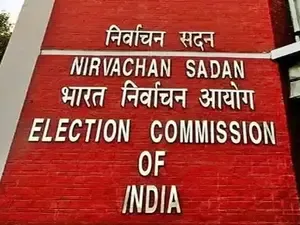
He criticised the Opposition's attempts to meet the Chief Justice of India (CJI) and its sustained attacks on the Election Commission of India (ECI) .
Salve warned that declaring a loss of faith in the judiciary whenever unfavourable verdicts are delivered was 'a very unfortunate situation for India's future.' He questioned why Congress , despite access to senior legal talent, was pursuing street protests over established legal channels.
Salve affirmed the right to protest but stressed it is 'subject to applicable police laws and does not exist outside the law.'
Senior advocate and former Solicitor General of India Harish Salve has launched a sharp critique of the Opposition, accusing political parties of orchestrating a deliberate campaign to destabilise the government, weaponise the judiciary for political ends, and erode public confidence in constitutional institutions. His remarks came in an exclusive interview on 12 October 2026 in New Delhi.
Key Accusations Against the Opposition
Salve questioned the Opposition's repeated attempts to seek meetings with the Chief Justice of India (CJI) and its sustained criticism of both the Supreme Court and the Election Commission of India (ECI). He argued that political parties must work within established constitutional procedures rather than taking to the streets or publicly attacking institutions whenever their demands go unmet.
'In my opinion, this is a political movement aimed at destabilising the system. It is the government's responsibility to confront it firmly. I believe it should continue to do so,' Salve said.
On Using the Supreme Court as a Political Tool
Salve alleged that the Supreme Court was being increasingly drawn into political disputes, with parties filing cases for optics rather than genuine legal remedy. He insisted that judges were discharging their duties conscientiously when examining such matters.
'Absolutely. In my opinion, they are trying to use the Supreme Court as a political tool every day,' he said.
He also took aim at what he described as the Opposition's conditional faith in the judiciary — one that holds only as long as verdicts go in their favour. 'When they do not get the order they want, they say that they have lost faith in the judiciary,' Salve said. 'This is a very unfortunate situation for India's future. You cannot say that if the court does not deliver a judgment of your choice, you will lose faith in the judiciary.'
Institutions Must Not Be Weakened, Salve Warns
Emphasising the foundational role of constitutional bodies, Salve warned against any attempt — irrespective of political affiliation — to target or weaken institutions. 'We must not weaken or target our institutions. The Constitution has established separate institutions, including the judiciary, the legislature, the elected executive and the Election Commission. Each has its own jurisdiction, and the courts maintain a system of checks and balances,' he said.
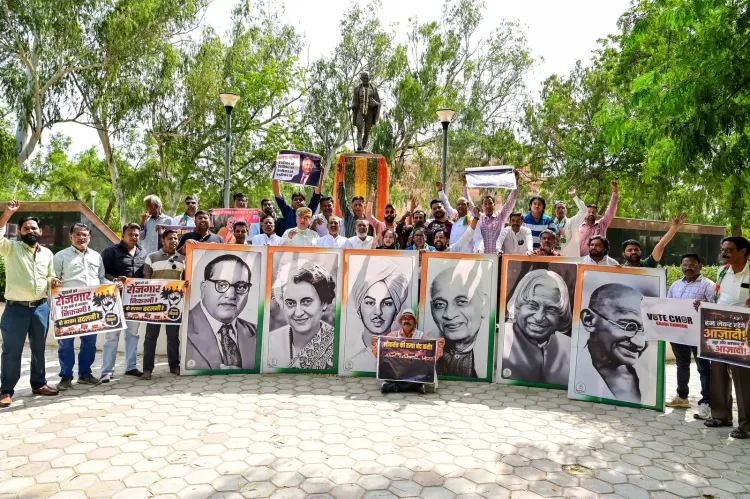
This comes amid a period of heightened political friction, with the Opposition escalating protests on multiple fronts while several matters are simultaneously pending before the courts — a combination Salve argued made street agitation unnecessary and counterproductive.
Protests, the Festive Season, and Public Inconvenience
Salve questioned the logic of sustained street protests while legal proceedings were already active. Referring specifically to demonstrations linked to the Election Commission, he asked: 'Is it necessary to create a commotion every day? Is it necessary to inconvenience the people of Delhi?'
He further noted that protests during the festive season could cause tangible harm to businesses and ordinary citizens dependent on daily commerce — an impact, he argued, that political leaders must weigh before mobilising supporters.
Congress's Legal Strategy Under Scrutiny
Salve reserved particular scepticism for the Indian National Congress (Congress), questioning why a party with access to some of the country's most experienced lawyers was pursuing a course of public agitation over legal recourse. 'From a legal perspective, I am surprised that a party with such extensive legal expertise is choosing this course of action,' he said, adding that Congress leaders themselves should clarify whether the protests were taken on legal advice.
On the right to protest, Salve acknowledged the constitutional guarantee but underlined its limits: 'The main point is that the right to protest is subject to the applicable police laws. It does not exist outside the law.'
With political tensions showing no sign of easing ahead of upcoming legislative sessions, Salve's intervention is likely to sharpen the debate around the boundaries of lawful dissent and the independence of constitutional institutions.
Point of View
Including protests and seeking judicial intervention, is itself a constitutionally protected function. The more pressing question mainstream coverage has glossed over is whether the institutions he defends — the Election Commission in particular — have given the Opposition legitimate cause for concern. Defending institutions and demanding accountability from them are not mutually exclusive. Salve's intervention, however articulate, risks conflating the two.
NationPress
12 Oct 2026
Frequently Asked Questions
What did Harish Salve say about the Opposition's protests?
Harish Salve described the Opposition's protest campaign as 'a political movement aimed at destabilising the system,' urging the government to confront it firmly. He argued that political parties should use constitutional procedures rather than street agitation, especially when legal proceedings are already underway.
Why did Salve accuse the Opposition of misusing the Supreme Court?
Salve alleged that opposition parties were filing cases in the Supreme Court for political visibility rather than genuine legal grievance, calling it an attempt to use the court 'as a political tool every day.' He stressed that judges were nonetheless performing their duties properly when examining such matters.
What was Salve's criticism of the Opposition's stance on judicial verdicts?
Salve said opposition parties expressed loss of faith in the judiciary only when verdicts went against them, calling this 'a very unfortunate situation for India's future.' He argued that disagreement with a judgment cannot be equated with the judiciary being untrustworthy.
What did Salve say about the right to protest?
Salve acknowledged the right to protest as a constitutional freedom but underlined that it is 'subject to applicable police laws and does not exist outside the law.' He added that political leaders must weigh the impact of demonstrations on ordinary citizens, particularly during the festive season.
Why did Salve single out Congress in his criticism?
Salve expressed surprise that Congress — a party with access to some of India's most experienced lawyers — was pursuing public agitation rather than formal legal strategy. He called on Congress leaders to clarify whether their protest actions were being taken on legal advice.