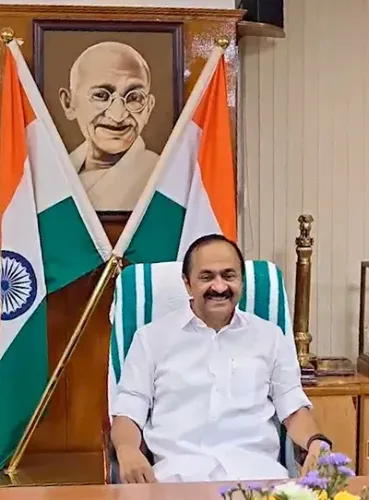
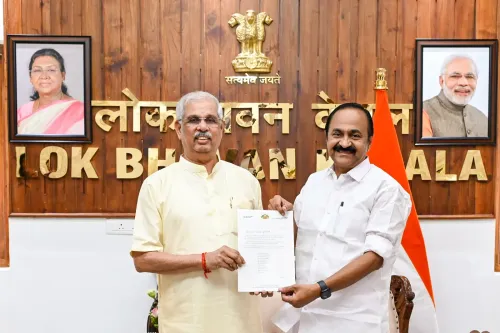
Kerala CM Satheesan faces cabinet balancing act after UDF's 102-seat mandate
Synopsis
V. D. Satheesan won the Congress high command's nod for Kerala Chief Minister — but the real political test begins now. With the IUML demanding five cabinet berths, Kerala Congress pressing for two, and senior leader Ramesh Chennithala visibly displeased, Satheesan must stitch together a 21-member cabinet that holds a 102-seat coalition together without fracturing it from within.
Key Takeaways
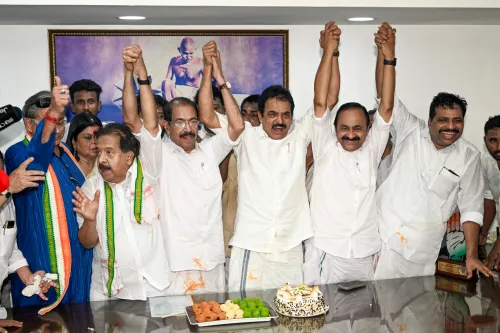
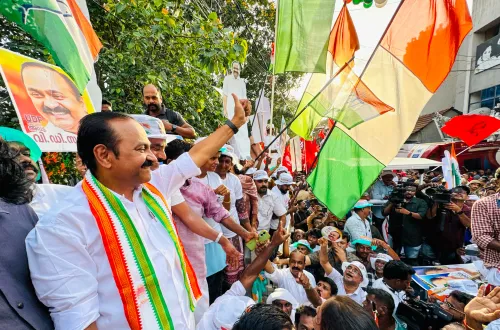
Satheesan is set to be sworn in as Kerala Chief Minister on Monday , following the UDF's victory of 102 seats in the 140-member Assembly .
The Kerala cabinet can have a maximum of 21 members , including the Chief Minister.
The IUML has reportedly demanded five cabinet berths ; Congress sources indicate it may offer four .
Kerala Congress is seeking two berths ; Congress is reportedly considering one .
Senior Congress leader Ramesh Chennithala is reportedly skipping the first legislators' meeting after missing out on the Chief Minister's post.
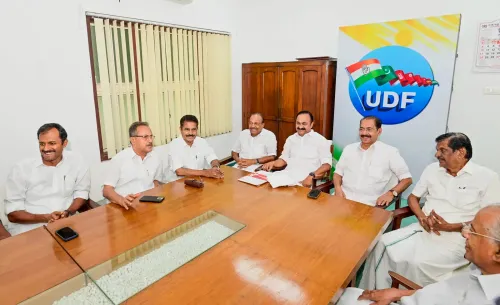
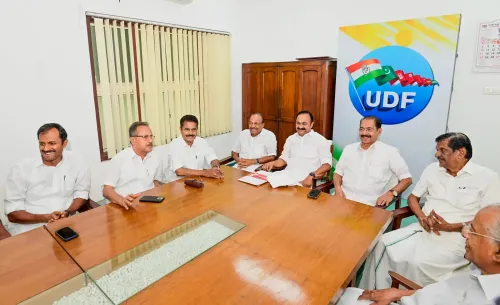
The UDF meeting is scheduled for Friday , ahead of the swearing-in on Monday .
V. D. Satheesan, set to be sworn in as Kerala's next Chief Minister, has secured the Congress high command's backing — but the harder test may now be assembling a cabinet that satisfies coalition partners, manages factional pressures, and keeps the United Democratic Front (UDF) intact after its commanding 102-seat victory in the 140-member Kerala Assembly.
The Cabinet Arithmetic
Under constitutional provisions, the Kerala cabinet can have a maximum of 21 members, including the Chief Minister. With Congress holding 63 seats, the Indian Union Muslim League (IUML) at 22, Kerala Congress at 7, and the Revolutionary Socialist Party at 3, the allocation of ministerial berths is already generating friction. Smaller allies — including the Communist Marxist Party, the Revolutionary Marxist Party, and Kerala Congress (Jacob) — hold one legislator each, as does independent legislator Mani C. Kappen. Three independent members are also part of the alliance, among them former senior Communist Party of India (Marxist) leader G. Sudhakaran.
Coalition Demands and Congress Calculations
The IUML is understood to have demanded five cabinet berths, while Kerala Congress is pressing for two. According to Congress sources, the party is considering offering the IUML four ministerial positions and one to Kerala Congress, with the posts of Deputy Speaker and Chief Whip reserved for other allies. The decisions on who gets accommodated — and who does not — carry the risk of triggering resentment both within Congress ranks and among smaller partners.
The Shadow of 2011
Coalition arithmetic has historically been among the most contentious aspects of UDF governance. The 2011 Oommen Chandy government remains a cautionary reference within Congress circles: the IUML successfully pushed for a fifth cabinet berth despite intense internal opposition, causing significant political controversy. At the time, even parties with a single MLA secured full-term ministerial positions, largely because Chandy's government survived on a majority of just two seats. This time, the political landscape is markedly different — the Left has been reduced to 35 seats and the Bharatiya Janata Party (BJP) won only three, giving Satheesan far greater legislative comfort.
The Rotation Model and Satheesan's Options
That comfort has sparked speculation that Satheesan may replicate the model used by outgoing Chief Minister Pinarayi Vijayan, asking smaller allies to rotate ministerial berths over the five-year term. Such an arrangement would allow Congress to accommodate a larger share of its own legislators in the cabinet without permanently conceding berths to smaller partners.
Chennithala Factor and What Comes Next
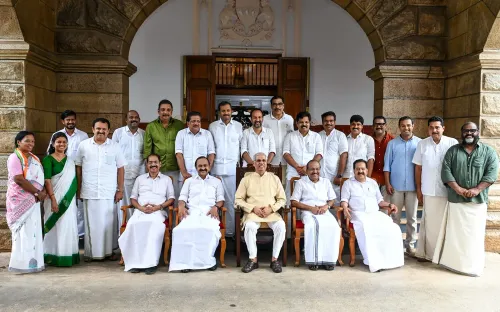
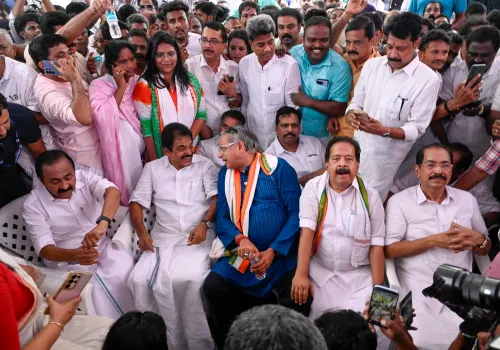
Adding to the complexity is the visible displeasure of senior Congress leader Ramesh Chennithala, who reportedly will not attend the first meeting of Congress legislators following his exclusion from the Chief Minister's post. The UDF meeting is scheduled for Friday, ahead of the swearing-in ceremony on Monday. As Satheesan moves from securing the top post to managing the coalition's internal fault lines, the cabinet formation exercise may prove as politically demanding as the election itself.
Point of View
Yet coalition management in Kerala has a way of consuming chief ministers regardless of majority size. The IUML's demand for five berths, if conceded, sets a precedent that smaller allies will cite for the next five years. If refused, it risks the kind of early friction that destabilises governments long before the midterm. Chennithala's absence from the legislators' meeting is not a minor protocol breach — it signals that the intra-Congress fault line, papered over during the campaign, is already re-opening. Satheesan's cabinet list will be read as a political manifesto about who he owes, who he fears, and who he is willing to alienate.
NationPress
27 Sept 2026
Frequently Asked Questions
Who is V. D. Satheesan and why is he becoming Kerala's Chief Minister?
V. D. Satheesan is the Congress Legislature Party leader in Kerala and has secured the backing of the Congress high command to lead the state after the UDF's 102-seat victory in the Kerala Assembly election. He is set to be sworn in on Monday.
How many cabinet berths is the IUML demanding from Satheesan?
The Indian Union Muslim League has reportedly demanded five cabinet berths. Congress sources indicate the party is considering offering four ministerial positions to the IUML, along with the posts of Deputy Speaker and Chief Whip for other allies.
Why is the 2011 Oommen Chandy government relevant to Satheesan's cabinet formation?
The 2011 Chandy government is a cautionary reference because the IUML successfully pushed for a fifth cabinet berth despite opposition, causing significant internal friction — and that government survived on a majority of just two seats. Satheesan's far larger majority gives him more room to resist such pressure.
What is the maximum size of the Kerala cabinet?
Under constitutional provisions, the Kerala cabinet can have a maximum of 21 members, including the Chief Minister. Satheesan must fit the demands of multiple coalition partners within this limit.
Why is Ramesh Chennithala's absence significant?
Senior Congress leader Ramesh Chennithala reportedly will not attend the first meeting of Congress legislators after missing out on the Chief Minister's post. His absence signals unresolved intra-Congress tensions that could complicate Satheesan's early governance.