SC notices 20 rebel TMC MPs over anti-defection delay; Speaker already acted
Synopsis
The Supreme Court has formally entered India's most consequential anti-defection battle of this Parliament, issuing notices to all 20 rebel Trinamool MPs while pointedly sparing the Lok Sabha Speaker — a constitutional tightrope that signals the judiciary is watching, but carefully. With the Speaker now confirmed to have issued his own notices, the race is on between parliamentary and judicial timelines.
Key Takeaways
The Supreme Court issued notices to 20 rebel TMC MPs on 25 August on a plea by Abhishek Banerjee .
The Bench, led by CJI Surya Kant , refrained from issuing notice to Lok Sabha Speaker Om Birla .
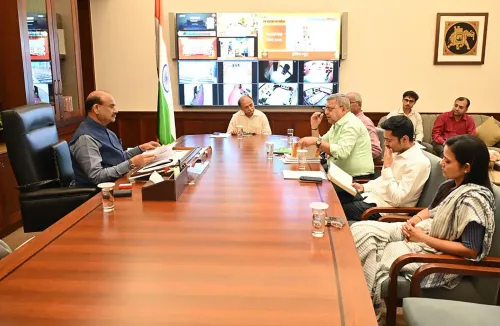
Solicitor General Tushar Mehta confirmed the Speaker has already issued notices to the 20 MPs in disqualification proceedings.
The rebel MPs had joined the Nationalist Citizens Party of India (NCPI) , claiming support of more than two-thirds of Trinamool's Lok Sabha strength.
Trinamool argues the split attracts disqualification under Paragraph 4 of the Tenth Schedule ; rebel MPs contest this interpretation.
Separate seating was allotted to the rebel MPs in the Lok Sabha even before the disqualification petitions were decided.
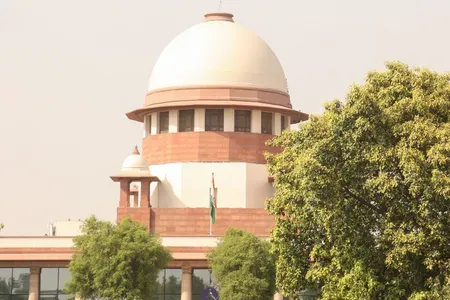
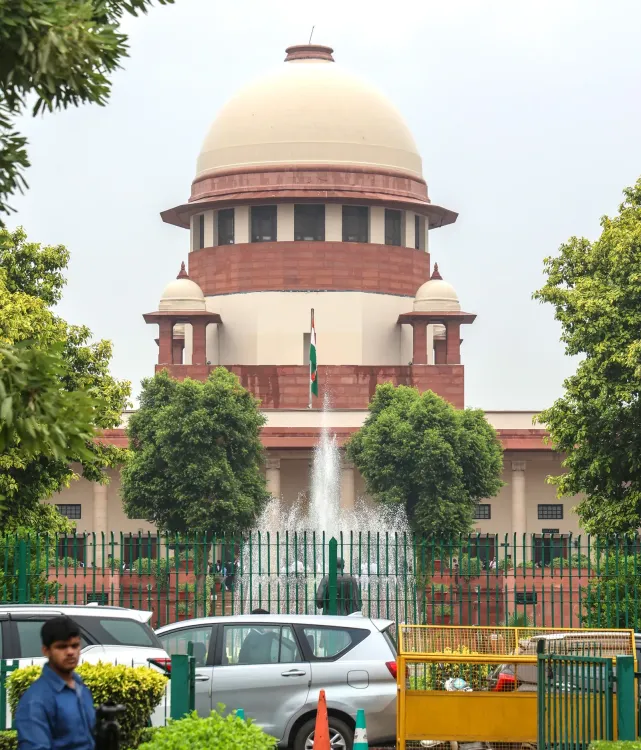
The Supreme Court on Tuesday, 25 August issued notices to 20 rebel All India Trinamool Congress (TMC) MPs on a petition filed by party National General Secretary Abhishek Banerjee, challenging the Lok Sabha Speaker's alleged delay in deciding disqualification petitions filed against the breakaway legislators under the anti-defection law.
What the Court Did
A Bench led by Chief Justice of India (CJI) Surya Kant, and comprising Justices Joymalya Bagchi and V. Mohana, issued notice to the 20 rebel MPs and sought their responses. Notably, the Bench refrained from issuing notice to Lok Sabha Speaker Om Birla, a significant procedural distinction given the constitutional sensitivity of directing the presiding officer of Parliament.
What the Solicitor General Said
Solicitor General Tushar Mehta, the Centre's second-highest law officer, urged the Bench not to issue notice to the Speaker. 'I have some reservations about issuing notice to the Speaker,' he told the court. Mehta informed the apex court that Speaker Om Birla had already issued notices to the 20 rebel MPs in the disqualification proceedings, and that he would appear on the Speaker's behalf. Senior advocate Kalyan Banerjee represented Abhishek Banerjee, the Diamond Harbour Lok Sabha MP who filed the petition.
The Rebel MPs Named
The respondents in the plea include the Lok Sabha Speaker, the Secretary General, and the 20 rebel MPs: Kakoli Ghosh Dastidar, Sudip Bandyopadhyay, Satabdi Roy, Prasun Banerjee, Rachana Banerjee, Jagadish Chandra Barma Basunia, Partha Bhowmick, Arup Chakraborty, Adhikari Deepak Dev, Sayani Ghosh, Bapi Haldar, Md Abu Taher Khan, Kalipada Saren Kherwal, Asit Kumar Mal, June Maliah, Mitali Bag, Khalilur Rahaman, Mala Roy, Sharmila Sarkar and Pathan Yusuf.
Background: The Split and the Anti-Defection Dispute
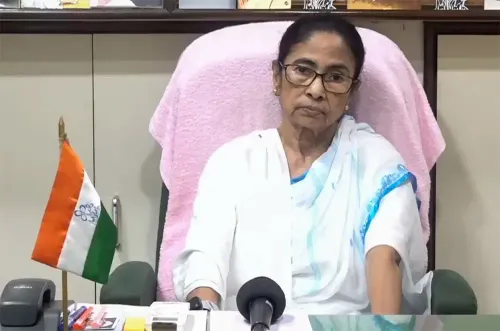
The dispute erupted after the 20 MPs broke away from the Mamata Banerjee-led Trinamool and joined the Nationalist Citizens Party of India (NCPI), claiming recognition as a separate parliamentary group. The rebel faction claimed the support of more than two-thirds of Trinamool's Lok Sabha strength and sought independent recognition in the lower house. One of the rebel MPs, Jagadish Chandra Barma Basunia, had stated that the group sought to be recognised as the 'real Trinamool Congress.'
The Trinamool, however, has argued that merely securing two-thirds of the legislators does not automatically satisfy the merger provision under Paragraph 4 of the Tenth Schedule, and that MPs who voluntarily quit the party and join another political formation are liable for disqualification. The political fault lines deepened when the Lok Sabha Secretariat allotted separate seating to the 20 rebel MPs even as the disqualification petitions remained pending before the Speaker — a move Trinamool leaders described as premature recognition of the breakaway group.
What Trinamool Has Done So Far
Trinamool leaders, including Abhishek Banerjee, Mahua Moitra, and Kalyan Banerjee, had previously met Speaker Om Birla to press for immediate action on the disqualification petitions. On 27 July, Abhishek Banerjee again wrote to the Speaker urging expeditious disposal of the petitions. The Supreme Court's intervention signals that the judiciary is now formally monitoring the pace of proceedings — a development with significant constitutional implications for the doctrine of parliamentary privilege and Speaker autonomy.
The outcome of these proceedings is expected to carry major political consequences for the rebel MPs and for the Trinamool's future in the Lok Sabha.
Point of View
And the Tenth Schedule's merger clause has been litigated repeatedly without a definitive resolution. The Trinamool split is a stress test for whether India's anti-defection framework can actually deter large-scale parliamentary floor-crossing, or whether two-thirds arithmetic will always find a workaround. The court's next move will matter well beyond West Bengal politics.
NationPress
9 Oct 2026
Frequently Asked Questions
Why did the Supreme Court issue notices to 20 rebel Trinamool Congress MPs?
The Supreme Court issued notices on 25 August after Trinamool National General Secretary Abhishek Banerjee filed a petition challenging the alleged delay by Lok Sabha Speaker Om Birla in deciding disqualification petitions against the 20 rebel MPs under the anti-defection law. The court sought responses from the rebel MPs but refrained from directly noticing the Speaker.
What did Solicitor General Tushar Mehta tell the Supreme Court?
Solicitor General Tushar Mehta urged the CJI-led Bench not to issue notice to the Lok Sabha Speaker, citing reservations about doing so. He informed the court that Speaker Om Birla had already issued notices to the 20 rebel MPs in the disqualification proceedings, and that he would appear on the Speaker's behalf.
Why did the 20 TMC MPs face disqualification petitions?
The 20 MPs broke away from the Mamata Banerjee-led Trinamool Congress and joined the Nationalist Citizens Party of India (NCPI), claiming to represent more than two-thirds of Trinamool's Lok Sabha strength. Trinamool argues this voluntary departure and merger with another party attracts disqualification under the Tenth Schedule of the Constitution.
What is the rebel MPs' defence against disqualification?
The rebel faction contends that having the support of more than two-thirds of Trinamool's Lok Sabha MPs entitles them to the merger exemption under Paragraph 4 of the Tenth Schedule. They also sought separate recognition as a parliamentary group and claimed to represent the 'real Trinamool Congress,' according to rebel MP Jagadish Chandra Barma Basunia.
What happens next in the disqualification proceedings?
The Supreme Court has sought responses from the 20 rebel MPs. Simultaneously, Lok Sabha Speaker Om Birla has issued his own notices to the rebel MPs in the disqualification proceedings. The outcome will have significant political consequences for the rebel MPs and for Trinamool's parliamentary strength.