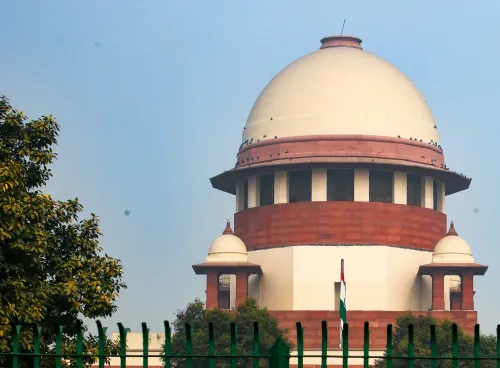
Supreme Court orders action against unauthorised use of court recordings
Synopsis
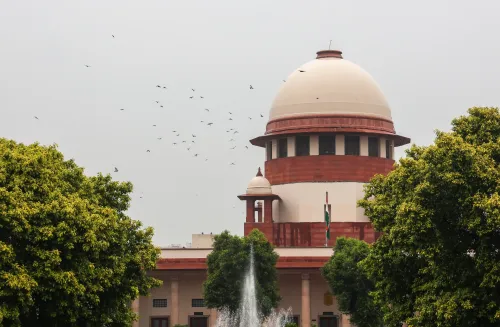
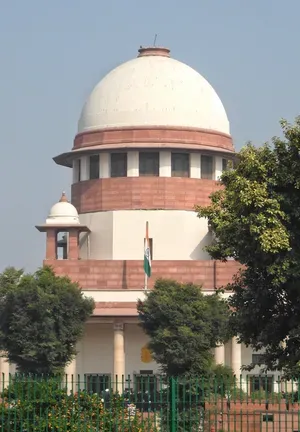
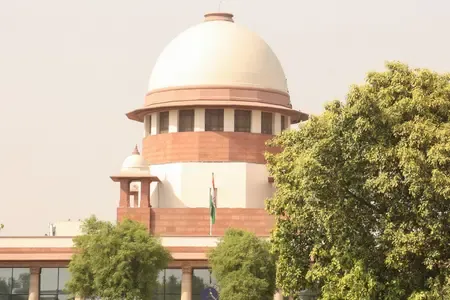
The Supreme Court has ordered MeitY to bake enforceable penalties into its upcoming policy on court recordings, tightening restrictions that have already banned platforms from hosting, monetising, or circulating audio-video clips of proceedings without court permission. With digital watermarking and authenticated recordings on the table, India's judiciary is moving toward a formal regulatory architecture for its own livestreams.
Key Takeaways
Supreme Court on 30 October 2026 directed MeitY to incorporate penal measures against violators of its interim court-recordings restrictions into the proposed policy framework.
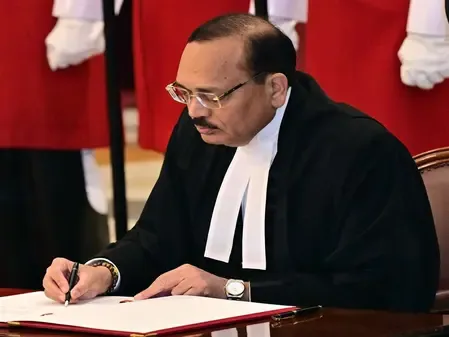
A Bench led by CJI Surya Kant , with Justices Joymalya Bagchi and V.
Mohana , issued the directions.
Solicitor General Tushar Mehta informed the court that suggestions from High Courts and the legal fraternity had been collated and would form part of the upcoming framework.
Existing interim restrictions prohibit extraction, dissemination, monetisation, uploading, and modification of court recordings on any digital platform without prior court permission.
Technical safeguards including digital watermarking and authenticated recordings are under active consideration.
All High Courts and major social media intermediaries have been impleaded in the matter.
The Supreme Court on Friday, 30 October 2026, directed the Centre to incorporate enforceable measures against those violating its interim restrictions on the unauthorised use and commercial exploitation of audio-video recordings of judicial proceedings into a proposed policy framework. The order signals a decisive push to close the gap between the court's existing directions and real-world compliance.
What the Court Directed
A Bench comprising Chief Justice of India (CJI) Surya Kant and Justices Joymalya Bagchi and V. Mohana directed the Ministry of Electronics and Information Technology (MeitY) to ensure adherence to the interim directions issued by the apex court in July 2026.
The Bench ordered: 'The MeitY is directed to ensure the compliance of interim directions... Necessary measures for taking action against those who fail to comply with the directions will also be incorporated in the policy regime.'
What the Government Told the Court
Solicitor General Tushar Mehta, the Centre's second-highest law officer, informed the Bench that the government had received suggestions from various High Courts and members of the legal fraternity for formulating a policy to regulate the use of recordings of judicial proceedings. He said those suggestions had been forwarded to the apex court registry and that a comprehensive framework incorporating the inputs would be prepared and placed before the Supreme Court for its consideration.
Mehta also apprised the court of instances of violations of its earlier directions, and suggested that material uploaded in breach of the interim restrictions should be taken down promptly. The CJI Kant-led Bench agreed that the directions needed to be effectively implemented.
Technical Safeguards Under Consideration
During the proceedings, the court also heard submissions on technical protective measures including digital watermarking, authenticated recordings, and permissible use of live-streamed judicial proceedings. These mechanisms are being evaluated as part of the broader policy architecture that MeitY is expected to finalise and present to the court.
Background and Scope of Existing Restrictions
The latest directions come amid mounting concerns over the unauthorised extraction, manipulation, circulation, and commercial exploitation of audio-video recordings of court proceedings — particularly through social media and other digital platforms. Notably, the Supreme Court had earlier imposed interim restrictions covering extraction, dissemination, monetisation, posting, re-posting, uploading, transmission, modification, storage, and hosting of such recordings on any digital platform without prior permission of the Secretary General of the Supreme Court or the Registrar Generals of the jurisdictional High Courts.
The court had also clarified that its restrictions would not affect reportage by recognised news organisations, while specifying that such outlets could continue reporting judicial developments but could not use audio or video clips of proceedings in their coverage.
Wider Stakeholders Impleaded
All High Courts and major social media intermediaries and technology platforms have been impleaded in the matter, with their inputs sought on the adoption of Model Rules for live streaming and recording of court proceedings. The Union government has further been directed to identify the nodal ministries responsible for implementing the reliefs sought in the petition.
With a policy framework now expected to be placed before the Supreme Court for approval, the next hearing will be closely watched by media organisations, legal bodies, and digital platforms alike.
Point of View
And still unresolved, is an independent enforcement mechanism — the court is essentially asking the executive branch to police conduct that often targets the judiciary itself, a structural tension the policy must address. The inclusion of digital watermarking is a promising technical deterrent, but its effectiveness depends on rapid takedown infrastructure that India's digital regulation architecture does not yet consistently provide. The broader question is whether a court-driven policy, placed back before judges for approval, can move fast enough to keep pace with platforms that monetise viral clips within hours of a hearing ending.
NationPress
30 Oct 2026
Frequently Asked Questions
What did the Supreme Court order on 30 October 2026 regarding court recordings?
The Supreme Court directed MeitY to include enforceable measures against violators of its interim restrictions on the unauthorised use and commercial exploitation of audio-video recordings of judicial proceedings into the government's proposed policy framework. The CJI Surya Kant-led Bench also asked MeitY to ensure compliance with interim directions issued in July 2026.
What are the existing interim restrictions on court recordings?
The Supreme Court had earlier banned extraction, dissemination, monetisation, posting, uploading, transmission, modification, storage, and hosting of audio-video recordings of judicial proceedings on social media or any digital platform without prior permission of the Secretary General of the Supreme Court or the Registrar Generals of jurisdictional High Courts. Recognised news organisations may report on court proceedings but cannot use audio or video clips.
What role does MeitY play in this matter?
MeitY is the nodal ministry directed by the Supreme Court to formulate a comprehensive policy framework regulating the use of court recordings. It has been tasked with incorporating both preventive safeguards and penal measures for non-compliance, and will place the framework before the court for final consideration.
What technical measures are being considered to protect court recordings?
The Supreme Court heard submissions on digital watermarking, authenticated recordings, and defined permissible uses of live-streamed proceedings. These are being evaluated as part of the policy architecture MeitY is preparing.
Who are the stakeholders impleaded in this case?
All High Courts and major social media intermediaries and technology platforms have been impleaded in the matter, and their inputs on the Model Rules for live streaming and recording of court proceedings have been sought. The Union government has also been directed to identify nodal ministries for implementing the requested reliefs.