Anand Mohan release quashed: SC orders surrender within a month
Synopsis
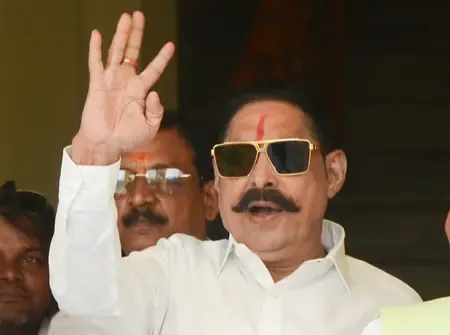
The Supreme Court has ordered Anand Mohan back to jail within a month and struck down the Bihar prison rule change that freed him. It called the amendment a sudden departure lacking bona fides, and ruled that victims' families must now be heard before any remission is granted.
Key Takeaways
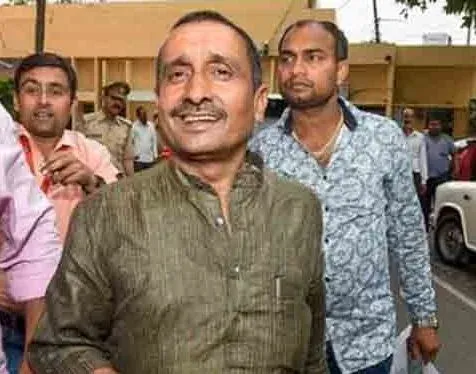
The Supreme Court set aside former MP Anand Mohan Singh's premature release on 26 November 2026 and ordered him to surrender within a month .
A bench of Justices Dipankar Datta and Sheel Nagu declared Bihar's April 2023 prison manual amendment unconstitutional.
The court ruled that victims' families must be heard before remission decisions, though their objections are not a veto.
Bihar may begin a fresh remission process, provided Uma Krishnaiah is given a hearing.
Krishnaiah , then District Magistrate of Gopalganj , was beaten to death by a mob in 1994 ; Anand Mohan was accused of instigating it.
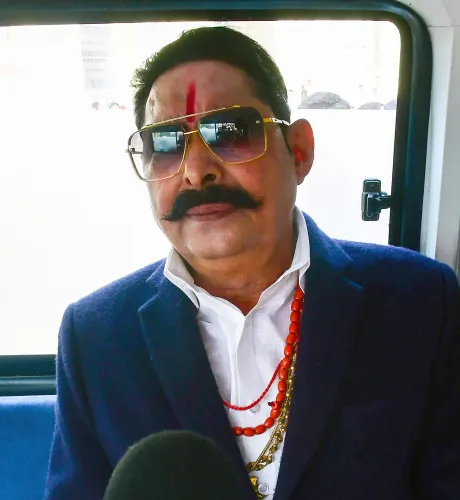
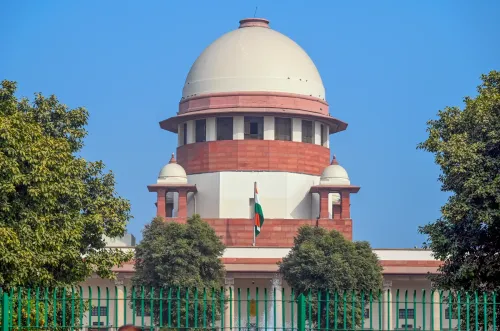
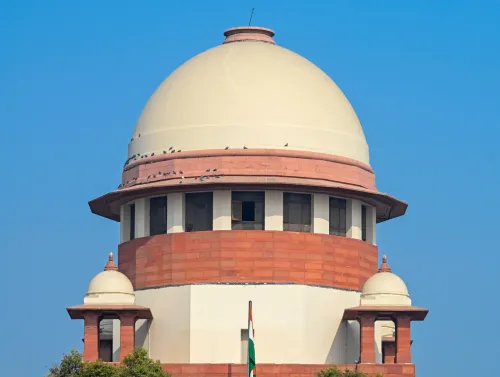
The Supreme Court on Thursday, 26 November 2026, set aside the Bihar government's decision to grant premature release to former MP Anand Mohan Singh, convicted in the 1994 murder of IAS officer G. Krishnaiah, and directed him to surrender within one month. The court also struck down the state's April 2023 amendment to its prison manual, which had made remission available to life convicts in cases involving the murder of public servants.
The verdict came from a bench of Justice Dipankar Datta and Justice Sheel Nagu. It allowed a writ petition filed by Uma Krishnaiah, the widow of the slain officer.
Key Developments in the Verdict
The bench held the April 2023 amendment to the Bihar Prison Manual unconstitutional. Before that change, persons sentenced to life imprisonment for killing public servants could not seek remission.
The Justice Datta-led bench said the amendment represented “a sudden departure without any discernible purpose or demonstrating any bona fides”. It added that the state government had failed to establish “a rational and legitimate public purpose” behind the change.
The court also laid down a procedural safeguard. A victim or the victim's family must be given an opportunity to be heard before any decision on remission is taken. The bench clarified, however, that such objections cannot operate as a veto over the state government's decision.
Fresh Remission Process Left Open
The verdict does not permanently shut the door on Anand Mohan's release. The Supreme Court gave the Bihar government liberty to start a fresh process for considering remission, on the condition that Uma Krishnaiah is given a hearing.
Any future decision will therefore have to follow a more transparent process. It will also have to stand on legal grounds other than the amendment the court has now invalidated.
Background of the Legal Challenge
Uma Krishnaiah moved the apex court after Anand Mohan, widely described as a ‘Bahubali’ leader, was released from Saharsa Jail following the amendment. Her petition claimed the Bihar government had amended the 2012 Bihar Prison Manual with retrospective effect to facilitate his release.
While hearing the plea in February 2024, the Supreme Court had directed Anand Mohan to deposit his passport with the local police station and to mark his presence there every fortnight.
The Bihar government defended its decision in court. It argued that the amended remission policy had benefited other convicts as well, and that the change was meant to remove discrimination based on the status of the victim.
The 1994 Gopalganj Killing
In 1994, G. Krishnaiah was serving as the District Magistrate of Gopalganj. He was beaten to death by a mob after his vehicle attempted to overtake the funeral procession of gangster Chhotan Shukla. Anand Mohan was accused of instigating the mob.
The killing of a serving District Magistrate remains one of Bihar's most widely remembered cases of violence against a civil servant. That history explains why the remission row drew attention far beyond the state.
Why the Ruling Matters
The judgment goes beyond a single convict. It tests whether states can rework remission rules in ways that appear to benefit specific individuals. It also establishes that victims' families must be heard in the remission process.
All eyes now turn to whether Anand Mohan surrenders within the stipulated month, and whether the Bihar government chooses to begin a fresh remission exercise under the court's new conditions.
Point of View
Applied with retrospective effect. Remission policy is a legitimate tool of the executive, but it loses legitimacy when it looks tailored to one powerful convict. Making victims' families a mandatory part of the process is a meaningful correction. The real test is whether Bihar now pursues a fresh, transparent process or quietly searches for another route to the same outcome.
NationPress
26 Nov 2026
Frequently Asked Questions
Why did the Supreme Court quash Anand Mohan's release?
The Supreme Court held that Bihar's April 2023 prison manual amendment, which enabled his remission, was unconstitutional. It said the change lacked bona fides and that the state had failed to show a rational and legitimate public purpose behind it.
When does Anand Mohan have to surrender?
The Supreme Court has directed Anand Mohan to surrender within one month of its verdict delivered on 26 November 2026.
Can Anand Mohan still get remission?
Yes, it remains possible. The court allowed the Bihar government to start a fresh remission process, provided the victim's widow, Uma Krishnaiah, is given an opportunity to be heard.
Who was G. Krishnaiah?
G. Krishnaiah was an IAS officer serving as District Magistrate of Gopalganj in Bihar. He was beaten to death by a mob in 1994 when his vehicle attempted to overtake gangster Chhotan Shukla's funeral procession.
What did the court rule on victims' rights in remission cases?
The court ruled that the victim or the victim's family must be heard before any decision on remission is taken. It clarified that their objections cannot act as a veto over the state government's decision.