SC cancels Sonam Raghuvanshi's bail in honeymoon murder case, orders surrender in 3 weeks
Synopsis
The Supreme Court has cancelled bail for Sonam Raghuvanshi, prime accused in the high-profile Raja Raghuvanshi honeymoon murder case, ruling that a clerical error in arrest documents and alleged non-communication of grounds cannot override the finality of earlier merit-based bail rejections. She must surrender within three weeks — or seek fresh bail only if the trial drags beyond six months.
Key Takeaways
The Supreme Court on 23 July 2025 cancelled bail granted to Sonam Raghuvanshi , prime accused in the Raja Raghuvanshi honeymoon murder case .
A Bench of Justice M.M.
Sundresh and Justice P.B.
Varale allowed the Meghalaya government's appeal against the High Court's bail order.
Sonam Raghuvanshi must surrender before the trial court within three weeks .
She may apply for fresh bail if the trial is not concluded within six months .
The court held that a clerical error citing Section 403(1) instead of Section 103(1) BNS in arrest documents was insufficient grounds for bail.
The case involves the alleged murder of Raja Raghuvanshi in Meghalaya during a honeymoon trip in May 2025 , with only 4 of 94 prosecution witnesses examined so far.
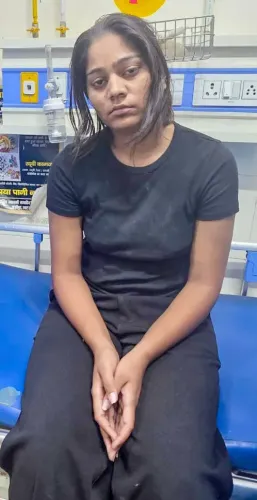
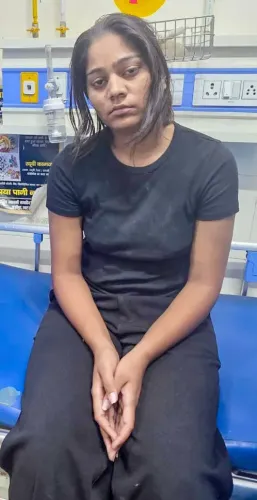
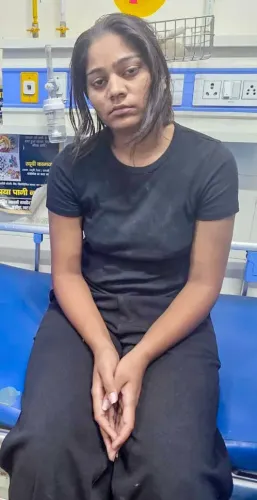
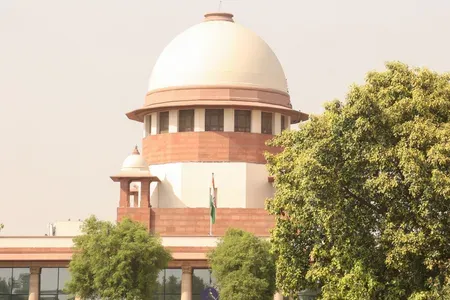
The Supreme Court on Thursday, 23 July 2025, cancelled the bail granted to Sonam Raghuvanshi, the prime accused in the Raja Raghuvanshi honeymoon murder case, and directed her to surrender before the trial court within three weeks. The ruling came on an appeal filed by the Meghalaya government against a Meghalaya High Court order that had upheld the grant of bail.
What the Supreme Court Ruled
A Bench of Justice M.M. Sundresh and Justice P.B. Varale allowed the Meghalaya government's appeal, setting aside the reasoning adopted by both the trial court and the High Court. The Bench drew a critical legal distinction between complete non-service of grounds of arrest and alleged inadequacy in the particulars furnished.
'On facts, we find that the respondent (Sonam) is not entitled to bail. It is not as if the respondent was not served with the grounds of arrest. There is a difference between non-service and giving adequate reasons thereunder. While the first category might vitiate the arrest, in the second one has to see the prejudice,' the Justice Sundresh-led Bench observed.
The court noted that Sonam Raghuvanshi had herself acknowledged receipt of the grounds of arrest and related documents before the jurisdictional Magistrate, who recorded her satisfaction regarding statutory compliance. 'The respondent expressed her satisfaction on the reasons behind her arrest. Documents were indeed served on her,' the Bench stated.
Why Earlier Bail Was Set Aside
The Meghalaya government had challenged the High Court's order on the ground that the arrest documents cited Section 403(1) of the Bharatiya Nyaya Sanhita (BNS) instead of Section 103(1), which pertains to murder. The Supreme Court, however, found that the clerical error alone was insufficient to justify bail, particularly since Sonam's earlier bail applications had already been rejected on merits and those orders had attained finality.
'We are also conscious of the fact that bail is the rule and jail is the exception. However, we are dealing with a case where the earlier bail orders rejecting enlargement on merit have attained finality. The trial has already begun. We are inclined to observe that continued enlargement at this stage might hinder the ongoing trial,' the Bench said.
Arguments From Both Sides
Solicitor General Tushar Mehta, appearing for the Meghalaya government, argued that Sonam had surrendered before the police and that the challenge based on communication of grounds of arrest was misconceived. He submitted that none of the precedents cited by the defence dealt with a situation where an accused had surrendered.
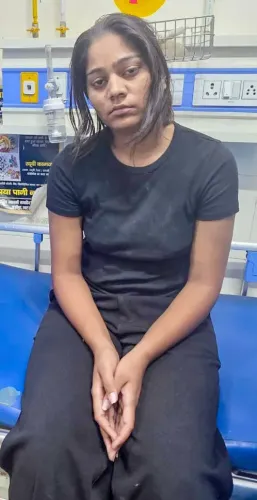
Counsel for Sonam Raghuvanshi contended that she had not surrendered but was arrested from Ghazipur in Uttar Pradesh, and that the prosecution was incorrectly characterising the arrest as a voluntary surrender. The defence also pointed out that only four of the 94 prosecution witnesses had been examined so far, and that Sonam had complied with all bail conditions. The apex court was not persuaded by these submissions.
Background: The Honeymoon Murder Case
The case centres on the death of Indore-based businessman Raja Raghuvanshi, who travelled to Meghalaya with his wife Sonam for their honeymoon shortly after their marriage in May 2025. According to the prosecution, Sonam allegedly conspired with her alleged lover and three accomplices to murder Raja during the trip, after which his body was allegedly dumped into a gorge. A chargesheet has been filed and the trial is currently underway.
What Happens Next
The Supreme Court has granted Sonam Raghuvanshi liberty to apply for fresh bail if the trial is not concluded within six months. The court also clarified that even if an arrest is found defective, the investigating agency is not precluded from effecting a fresh arrest for investigative purposes. With the trial at an early stage and 90 prosecution witnesses yet to be examined, the pace of proceedings will be closely watched.
Point of View
Subsequent applications cannot repackage the same facts as procedural violations. What the ruling also signals is the court's discomfort with bail being used to slow-walk trials — only four of 94 witnesses have been examined, and the risk of witness influence in a case of this profile is real. The six-month trial clock the court has set is as much a message to the trial court as it is a condition for the accused.
NationPress
21 Oct 2026
Frequently Asked Questions
Why did the Supreme Court cancel Sonam Raghuvanshi's bail?
The Supreme Court cancelled her bail because her earlier applications had already been rejected on merits and those orders had attained finality. The court held that a clerical error in the arrest documents — citing Section 403(1) instead of Section 103(1) of the BNS — was not sufficient to justify bail, especially since Sonam had acknowledged receipt of the grounds of arrest before the Magistrate.
What is the Raja Raghuvanshi honeymoon murder case?
The case involves the alleged murder of Indore-based businessman Raja Raghuvanshi during a honeymoon trip to Meghalaya with his wife Sonam in May 2025. The prosecution alleges that Sonam conspired with her alleged lover and three accomplices to kill Raja, after which his body was allegedly dumped into a gorge.
When must Sonam Raghuvanshi surrender?
The Supreme Court has directed Sonam Raghuvanshi to surrender before the trial court within three weeks of the 23 July 2025 order.
Can Sonam Raghuvanshi apply for bail again?
Yes. The Supreme Court has granted her liberty to apply for fresh bail if the trial is not concluded within six months. The court did not permanently bar her from seeking bail.
What was the Meghalaya government's argument before the Supreme Court?
Solicitor General Tushar Mehta, appearing for the Meghalaya government, argued that Sonam had voluntarily surrendered before police and that the defence's challenge based on the grounds of arrest was misconceived. He submitted that the precedents cited by the defence did not apply to situations involving voluntary surrender.