SC seeks Meghalaya arrest documents in Sonam Raghuvanshi bail case, next hearing July 14

Synopsis
The Supreme Court refused to stay Sonam Raghuvanshi's bail in the Raja Raghuvanshi honeymoon murder case, but demanded the original arrest documents — putting the spotlight squarely on whether a wrong BNS section number was a clerical slip or a rights-violating procedural failure. The answer, due on 14 July, could reset the bail calculus entirely.
Key Takeaways
The Supreme Court deferred the hearing on the Meghalaya government's bail challenge to 14 July 2025 .
The court directed production of the original arrest memo and related documents given to Sonam Raghuvanshi at the time of arrest.
No stay was granted — Sonam Raghuvanshi remains on bail.
Solicitor General Tushar Mehta argued the citation of Section 403(1) instead of Section 103(1) of the BNS was a typographical error, not a fatal defect.
Sonam's counter-affidavit claims innocence, citing circumstantial-only evidence and full compliance with bail conditions.
The case relates to the alleged murder of Raja Raghuvanshi during a honeymoon trip to Meghalaya in May 2025 .
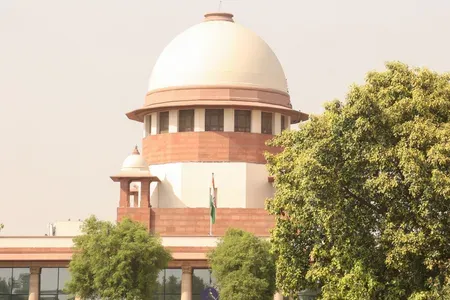
The Supreme Court on Thursday, 9 July 2025, deferred its hearing on the Meghalaya government's challenge to bail granted to Sonam Raghuvanshi — the prime accused in the Raja Raghuvanshi honeymoon murder case — to 14 July, directing state authorities to produce the original arrest memo and all documents furnished to the accused at the time of her arrest.
Crucially, the court declined to pass any interim order staying the bail, meaning Sonam Raghuvanshi remains free for the time being.
What the Supreme Court Observed
A Bench of Justice Manoj Misra and Justice Shree Chandrashekhar made clear that the core question before it was not simply whether the statutory section numbers were communicated, but whether the accused had been adequately informed of the general background of the case against her. 'We have to see if this ground is sustainable or not,' the Bench observed, scheduling the matter for 14 July.
Solicitor General Tushar Mehta, appearing for the Meghalaya government, sought permission to file a typed compilation of documents. The court, however, directed that photocopies of the original arrest memo and related records be placed on record instead.
The Government's Argument: Typographical Error, Not Fatal Defect
SG Mehta described the case as 'very serious' and contended that the Meghalaya High Court had erred in treating a typographical error in the arrest documents as a fatal procedural defect. He submitted that the written grounds of arrest had in fact been supplied to the accused, and that the only discrepancy was the citation of Section 403(1) of the Bharatiya Nyaya Sanhita (BNS) instead of the correct Section 103(1), which pertains to the offence of murder. 'The written grounds are also supplied. The only thing is there is a typographical error,' SG Mehta submitted.
Sonam Raghuvanshi's Counter: Innocent, Complying With Conditions
In her counter-affidavit filed before the apex court, Sonam Raghuvanshi claimed innocence and alleged she had been falsely implicated. She argued that the prosecution's case rests entirely on circumstantial evidence and that no presumption of guilt can arise from allegations alone.
She further submitted that no recovery remains to be effected from her, the chargesheet has already been filed, and she has been residing in Shillong as directed by the trial court — in full compliance with bail conditions. She also contended that there is no possibility of evidence tampering.
Background: How the Bail Was Granted
The Meghalaya government moved the Supreme Court after the Meghalaya High Court on 29 June upheld a Shillong trial court's order granting bail to Sonam. The High Court had refused to interfere with the April 2026 order of the Additional Deputy Commissioner (Judicial), Shillong, finding that serious procedural lapses had occurred during the arrest process.
The trial court had found that all arrest-related documents — including the arrest memo — incorrectly cited Section 403(1) of the BNS instead of Section 103(1), and concluded that the accused had not been properly informed she was being arrested for murder. It rejected the prosecution's typographical-error argument, holding the defect had prejudiced her defence.
On 3 July, the Supreme Court issued notice on the state's plea but declined to stay the High Court's order, noting the accused had already been released. It did, however, express prima facie reservations about the High Court's reasoning.
The Case: Honeymoon Murder in Meghalaya
The case centres on the death of Indore-based businessman Raja Raghuvanshi, who travelled to Meghalaya with his wife Sonam for their honeymoon shortly after their marriage in May 2025. According to the prosecution, Sonam allegedly conspired with her alleged lover and hired assailants to eliminate Raja during the trip. Police subsequently filed a chargesheet and the trial is presently underway.
With the Supreme Court yet to rule on the bail challenge, the 14 July hearing will be closely watched for whether the court finds the procedural defect argument sustainable — and whether it chooses to intervene.
Point of View
It risks setting a precedent that dilutes Article 22 protections; if it sides with the accused, it hands defence lawyers a potent tool in cases where paperwork is sloppy. The 14 July hearing matters beyond this case.
NationPress
7 Oct 2026
Frequently Asked Questions
What did the Supreme Court order in the Sonam Raghuvanshi bail case on 9 July?
The Supreme Court deferred the hearing to 14 July 2025 and directed the Meghalaya government to produce the original arrest memo and all documents supplied to Sonam Raghuvanshi at the time of her arrest. The court did not stay her bail, so she remains free.
Why was Sonam Raghuvanshi granted bail in the first place?
A Shillong trial court granted bail in April 2026 after finding that arrest documents incorrectly cited Section 403(1) of the BNS instead of Section 103(1) — the section for murder — concluding the accused was not properly informed of the charge. The Meghalaya High Court upheld this order on 29 June.
What is the Meghalaya government's argument against the bail?
The state, represented by Solicitor General Tushar Mehta, argues the wrong section number was a typographical error and not a fatal procedural defect. It contends the written grounds of arrest were supplied to the accused and that the High Court erred in treating the clerical mistake as grounds to uphold bail.
What is the Raja Raghuvanshi honeymoon murder case?
The case involves the alleged murder of Indore-based businessman Raja Raghuvanshi during a honeymoon trip to Meghalaya with his wife Sonam in May 2025. The prosecution alleges Sonam conspired with her alleged lover and hired assailants to kill him. A chargesheet has been filed and trial is ongoing.
What happens next in the Supreme Court?
The matter is listed for hearing on 14 July 2025, when the court will examine the original arrest documents and decide whether the procedural defect argument is legally sustainable. A ruling against the state could end the bail challenge; a ruling in its favour could lead to Sonam Raghuvanshi's bail being stayed.