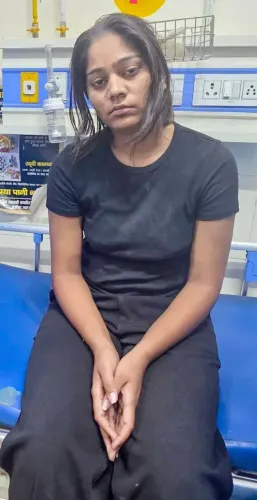
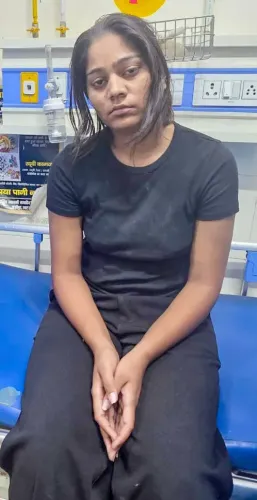
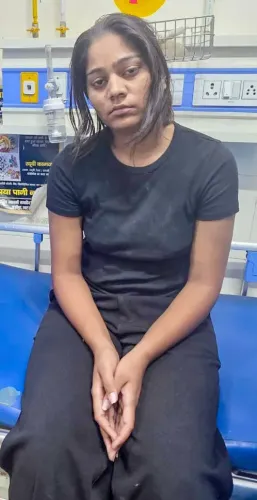
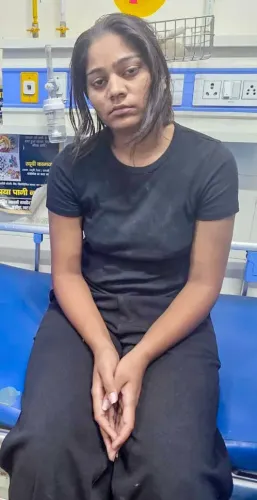
Meghalaya moves Supreme Court against HC bail order for Sonam Raghuvanshi
Synopsis
The Meghalaya government has rushed to the Supreme Court after the High Court allowed the prime accused in a high-profile honeymoon murder case to walk free on bail — on the ground that every single arrest document cited the wrong section of law. The state fears she may abscond; the Supreme Court has agreed to hear the matter urgently.
Key Takeaways
The Meghalaya government filed a Special Leave Petition in the Supreme Court on 2 July 2026 against bail granted to Sonam Raghuvanshi .
Solicitor General Tushar Mehta sought urgent listing, citing risk of the accused absconding.
Bail was originally granted after courts found all arrest documents cited Section 403(1) BNS instead of Section 103(1) (murder), meaning Sonam was never formally told she was arrested for murder.
The Meghalaya High Court on 29 June upheld the bail, rejecting the state's argument that the error was typographical and caused no real prejudice.
The case relates to the death of Indore businessman Raja Raghuvanshi , whose body was found in a gorge near Weisawdong Falls, Cherrapunji , after a honeymoon trip in May 2025 .
Trial proceedings are currently underway; a chargesheet has already been filed.
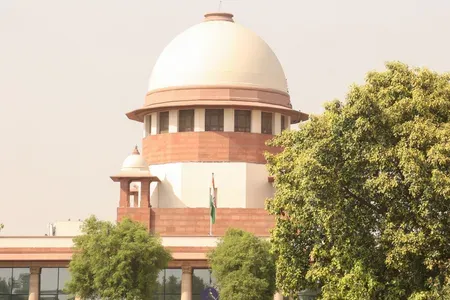
The Meghalaya government on Thursday, 2 July 2026, approached the Supreme Court challenging the Meghalaya High Court's order that upheld bail granted to Sonam Raghuvanshi, the prime accused in the Raja Raghuvanshi honeymoon murder case. The state has sought urgent listing of its Special Leave Petition, citing fears that the accused may abscond.
What Happened in Court
The matter was mentioned before a Bench led by Justice M.M. Sundresh. Solicitor General Tushar Mehta, appearing for the state, argued that bail had been granted solely because the grounds of arrest were not fully communicated to the accused at the time of her detention. After hearing the submissions, Justice Sundresh agreed to list the matter for an early hearing.
The Bail Order and Its Basis
On 29 June, a single-judge Bench of Justice W. Diengdoh of the Meghalaya High Court had dismissed the state's appeal and upheld a Shillong court's April 2026 bail order. The lower court had found serious procedural lapses in Sonam's arrest — specifically, that all arrest-related documents, including the arrest memo, checklist for justification of arrest, inspection memo, intimation of rights, and extracts of the case diary, incorrectly cited Section 403(1) of the Bharatiya Nyaya Sanhita (BNS) instead of Section 103(1), which pertains to the offence of murder.
The court held that the same error appeared consistently across all documents and concluded that Sonam Raghuvanshi was never formally informed she had been arrested for murder. The prosecution's contention that the error was merely typographical was rejected.
State's Arguments and High Court's Rejection
Advocate General Amit Kumar, appearing for the state before the High Court, had argued that Sonam was fully aware of the murder charge — she had signed the arrest documents, appeared before the magistrate during remand proceedings, and was represented by legal counsel from the outset. The state also relied on a Supreme Court precedent to contend that procedural irregularities are curable defects when no demonstrable prejudice to the accused is shown. The High Court, however, declined to interfere and allowed Sonam to remain on bail.
Background: The Honeymoon Murder Case
The case centres on the death of Indore-based businessman Raja Raghuvanshi, who had travelled to Meghalaya with his wife Sonam for their honeymoon shortly after their marriage in May 2025. The couple went missing during a visit to Sohra (Cherrapunji), triggering a large-scale search operation. Raja's body was subsequently recovered from a deep gorge near Weisawdong Falls, bearing multiple injuries.
According to the Meghalaya Police, investigations revealed that Sonam had allegedly conspired with her alleged lover and hired assailants to eliminate Raja during the honeymoon trip. She remained untraceable for several days before being arrested; several other accused were also apprehended from different states. A chargesheet has since been filed and trial proceedings are currently underway.
What Comes Next
With the Supreme Court agreeing to an early hearing, the state's petition will test whether procedural errors in arrest documentation — even when consistently replicated — can sustain bail when the accused's awareness of the charge is otherwise demonstrable. The outcome could have wider implications for how courts weigh technical procedural lapses against substantive prejudice in serious criminal cases.
Point of View
A relatively new code still being interpreted. If the Supreme Court reverses the bail, it signals that procedural lapses are curable when awareness is demonstrable. If it upholds the bail, it sends a sharp message to investigating agencies that paperwork errors in serious cases carry real consequences — a discipline that is arguably overdue.
NationPress
1 Oct 2026
Frequently Asked Questions
Why was Sonam Raghuvanshi granted bail in the honeymoon murder case?
Sonam Raghuvanshi was granted bail because all arrest documents — including the arrest memo, inspection memo, and case diary extracts — incorrectly cited Section 403(1) of the Bharatiya Nyaya Sanhita instead of Section 103(1), which covers murder. The court held that she was never formally informed she had been arrested for murder, constituting a serious procedural lapse.
Why has the Meghalaya government approached the Supreme Court?
The Meghalaya government filed a Special Leave Petition in the Supreme Court on 2 July 2026 after the Meghalaya High Court upheld the bail order on 29 June. The state, represented by Solicitor General Tushar Mehta, argued that the procedural error caused no actual prejudice and expressed concern that Sonam Raghuvanshi may abscond.
Who is Sonam Raghuvanshi and what is she accused of?
Sonam Raghuvanshi is the wife of Indore businessman Raja Raghuvanshi, who was found dead in a gorge near Weisawdong Falls in Cherrapunji, Meghalaya, during their honeymoon in May 2025. Police allege she conspired with her alleged lover and hired assailants to murder her husband.
What did the Meghalaya High Court rule on 29 June?
A single-judge Bench of Justice W. Diengdoh dismissed the state's appeal and upheld the Shillong court's April 2026 bail order. The High Court rejected the prosecution's argument that the wrong section cited in arrest documents was a mere typographical error, noting the mistake appeared consistently across all documents.
What is the current status of the Raja Raghuvanshi murder case?
The Meghalaya Police have filed a chargesheet and trial proceedings are currently underway. Several accused, including Sonam Raghuvanshi and others apprehended from different states, have been charged. The Supreme Court is now set to hear the state's challenge to the bail order on an early date.