US Senate passes Iran war powers resolution 50-48, curbing Trump
Synopsis
For the first time since the US-Iran conflict began in February, both chambers of Congress have passed a war powers resolution reining in President Trump's military authority over Iran — a 50-48 Senate vote that is largely symbolic for now but sets a significant constitutional marker as US-Iran peace talks get underway.
Key Takeaways
The US Senate passed the Iran War Powers Resolution 50 to 48 on 24 June .
It is the first such measure to clear both chambers of Congress since the US-Iran conflict began in February .
Four Republicans joined most Senate Democrats; one Democrat voted against.
The resolution directs the President to withdraw US forces from Iran hostilities unless Congress declares war or authorises force.
The Trump administration argues US forces are not currently in active hostilities, making the measure largely symbolic for now.
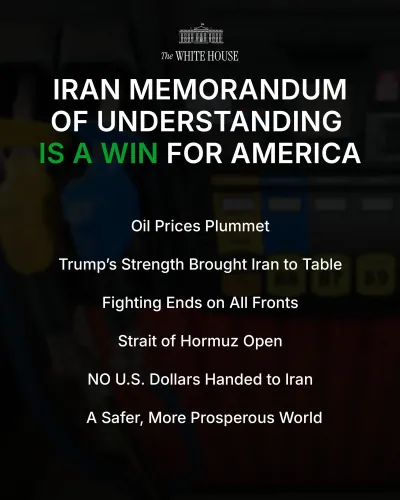
US-Iran diplomatic talks are reportedly in their early stages as the resolution passed.
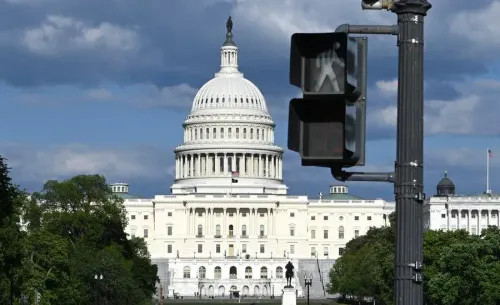
The US Senate on Tuesday, 24 June passed the Iran War Powers Resolution by a vote of 50 to 48, directing President Donald Trump to halt military operations against Iran unless Congress formally authorises the use of force or declares war. The measure marks the first time such a resolution has cleared both chambers of Congress since the conflict began in February.
What the Resolution Says
The resolution directs the President to 'remove US Armed Forces from hostilities within or against Iran unless a declaration of war or authorization to use military force for such purpose has been enacted,' according to the text published on the Congress website. It also reaffirms Congress' constitutional authority to declare war — a power supporters argue was bypassed when the United States entered hostilities with Iran.
How the Vote Broke Down
Four Republicans crossed the aisle to vote alongside most Senate Democrats in favour of the measure. One Democrat voted against it. The bipartisan, if narrow, majority signals growing legislative unease over the executive branch's unilateral prosecution of the conflict.
Why Many Call It Symbolic
Several US media outlets characterised the resolution's passage as largely symbolic. The Trump administration has argued that US forces are not currently engaged in active hostilities with Iran — a position that, if sustained, would blunt the resolution's practical effect. NBC News noted that 'the largely symbolic measure's passage comes as the US and Iran are in the early stages of talks aimed at ending the war.'
What Democrats Argued
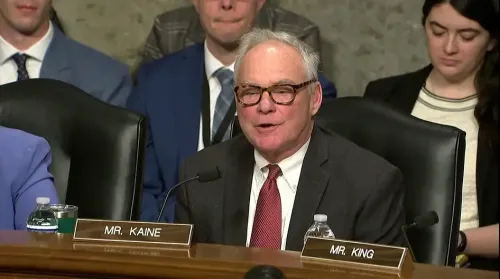
Democrats pushed back on the symbolic framing, insisting the vote carries institutional weight regardless of the current diplomatic moment. Senator Tim Kaine told reporters last week, according to reports: 'I think it's a good time to have the vote to say, Hey, if we're really in a period of maybe some stability here, let's not just allow it to start up again without Congress being involved in that decision.' The argument reflects a broader Democratic concern that without a formal constraint, the administration retains discretion to resume hostilities unilaterally.
What Happens Next
The resolution now faces the prospect of a presidential veto, and analysts note it does not carry the force of law without the President's signature or a veto override. Meanwhile, US-Iran diplomatic talks are described as being in their early stages. Whether the resolution accelerates, complicates, or merely shadows those negotiations remains to be seen.
Point of View
And the fact that four Republicans defected is the real story — it hints at fractures in the GOP's deference to executive war-making authority. The administration's counter-argument, that US forces are not currently in 'hostilities,' is a familiar executive escape hatch that courts have historically been reluctant to scrutinise. If the Iran talks collapse and hostilities resume, this resolution transforms from a symbolic gesture into a live political and legal tripwire for the White House.
NationPress
22 Sept 2026
Frequently Asked Questions
What is the Iran War Powers Resolution passed by the US Senate?
It is a resolution directing President Donald Trump to remove US Armed Forces from hostilities against Iran unless Congress formally declares war or authorises the use of military force. The Senate passed it 50 to 48 on 24 June, making it the first such measure to clear both chambers since the conflict began in February.
Is the Iran War Powers Resolution legally binding on President Trump?
The resolution is widely described as largely symbolic. The Trump administration contends that US forces are not currently engaged in active hostilities with Iran, which limits its immediate practical effect. Without the President's signature or a veto override, it does not carry the force of law.
How did Republicans vote on the resolution?
Four Republicans broke with their party to vote in favour of the resolution alongside most Senate Democrats. One Democrat voted against the measure, producing the final 50-48 tally.
Why did Democrats push for the vote even as US-Iran talks are ongoing?
Democrats argued that a war powers constraint is necessary precisely during a fragile ceasefire or negotiation period, to prevent the executive branch from resuming hostilities without legislative oversight. Senator Tim Kaine framed it as ensuring Congress remains part of any decision to restart the conflict.
What happens next after the Senate vote?
The resolution faces a likely presidential veto, and a veto override would require a two-thirds majority — a high bar given current Senate numbers. Separately, US-Iran diplomatic talks are described as being in their early stages, and the resolution's political weight may grow or diminish depending on how those negotiations progress.