US Senators Challenge Pentagon Nominees on National Defense Strategies
Synopsis
In a crucial Senate hearing, US senators interrogated Pentagon nominees on their plans to safeguard the nation amid rising global tensions, emphasizing the need to balance national security with civil liberties.
Key Takeaways
Senators interrogated Pentagon nominees on national defense strategies.
Concerns raised about drone operations and safety regulations.
Significance of the Arctic in national defense emphasized.
Legal implications of military actions during elections discussed.
Logistics and industrial capacity in the Indo-Pacific highlighted.
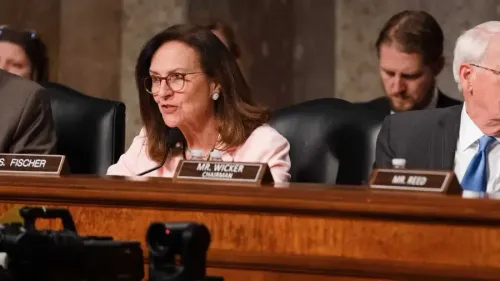
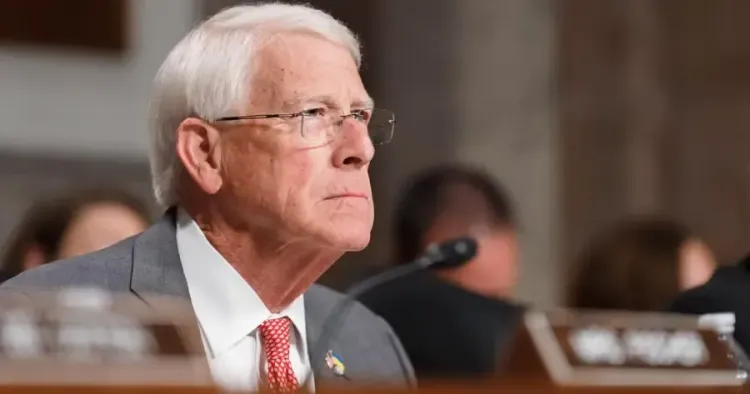
Washington, D.C., Feb 28 (NationPress) — From the escalation of Russian and Chinese military maneuvers near Alaska to drone intrusions along the US–Mexico border, US senators rigorously questioned two Pentagon nominees regarding their strategies for safeguarding the nation while upholding civil liberties during a pivotal confirmation hearing.
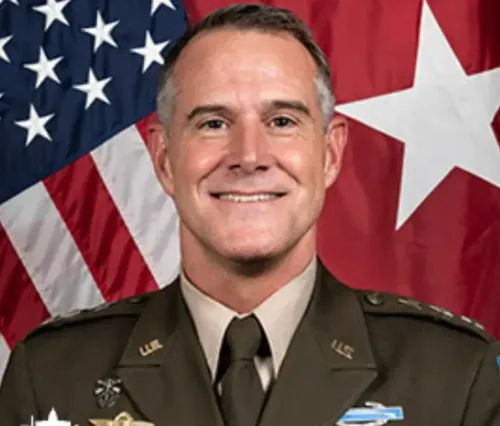
The Senate Armed Services Committee evaluated the appointments of Mark Roosevelt Ditlevson as Assistant Secretary of Defense for Homeland Defense and Americas Security Affairs and Brian D. Birdwell as Assistant Secretary of Defense for Sustainment.
Chairman Roger Wicker emphasized that the United States is confronting “the most perilous threat landscape since World War II,” highlighting a phase of “significant strategic ambiguity.”
A primary focus was the Arctic region. Senator Dan Sullivan pointed out the recent joint air and naval operations by Russia and China near Alaska, labeling it as “the essence of homeland defense.” He underscored that Alaska is “America’s backyard” and serves as a crucial front in strategic rivalry.
Ditlevson concurred that Alaska is “essential to the defense of the other 49 states” and committed, if confirmed, to ensure that Arctic priorities are integrated into operational guidance and strategy.
The senators also zeroed in on counter-drone initiatives and the Pentagon's support for immigration enforcement along the southern border.
Ranking Member Jack Reed raised concerns about deploying a high-energy laser system to neutralize suspected drones near El Paso, Texas, citing an FAA advisory about “a severe risk of fatalities or permanent injuries to civilian aircraft.”
Ditlevson reassured that the Department of Defense “places a high priority on safety” and insisted that while it is obliged to collaborate with the Federal Aviation Administration under current legislation, it does not necessitate FAA approval. He mentioned 14 months of “intensive dialogue” with aviation authorities, asserting the system’s “remarkable safety.”
Lawmakers also expressed apprehensions about utilizing National Guard personnel in urban environments and potential deployments near polling locations during elections. Ditlevson characterized such scenarios as “hypothetical” but assured that any recommendations to the Secretary of Defense would undergo legal scrutiny for compliance.
Senator Tammy Duckworth highlighted federal legislation prohibiting military interference in elections and cautioned against using armed forces to “intimidate” voters. Ditlevson replied that any military deployment would be customized to address specific threats and examined by legal advisors.
Birdwell's nomination drew attention to logistics and industrial capacity, particularly concerning the Indo-Pacific region. He described “contested logistics” as “the pivotal mission for the department” and emphasized the necessity of supporting forces “as close to the point of need as possible.”
Senator Mark Kelly advocated for enhancing America’s commercial shipbuilding industry to strengthen naval power in light of China’s maritime expansion. Birdwell affirmed his commitment to fortifying both the “organic industrial base” and commercial capabilities.
Point of View
This hearing highlights the critical intersection of national security and civil liberties. As global tensions rise, the strategies proposed by these nominees will shape the future of American defense and its implications for personal freedoms.
NationPress
29 Sept 2026
Frequently Asked Questions
What were the key issues discussed during the Senate hearing?
The hearing addressed Russian and Chinese military activities near Alaska, drone incursions at the US-Mexico border, and the legal implications of deploying National Guard troops in urban settings.
Who were the Pentagon nominees being questioned?
The nominees were Mark Roosevelt Ditlevson for Assistant Secretary of Defense for Homeland Defense and Americas Security Affairs, and Brian D. Birdwell for Assistant Secretary of Defense for Sustainment.
What concerns did senators raise regarding drone operations?
Senators raised concerns about the deployment of high-energy laser systems to shoot down drones, citing FAA warnings regarding civilian aircraft safety.
What was discussed about the Arctic region?
Senator Dan Sullivan emphasized the importance of Alaska for national defense, highlighting recent Russian and Chinese military activities in the area.
How did the nominees respond to questions about civil liberties?
Ditlevson assured that any deployment of military personnel would be tailored to specific threats and undergo legal review to ensure compliance with federal law.