Amit Shah inaugurates Ahmedabad library, health centre serving 80,000
Synopsis
Home Minister Amit Shah's Ahmedabad visit went beyond ribbon-cutting: a single Urban Primary Health Centre in Gota will bring 21 types of diagnostic tests, physiotherapy, and nutrition support to 80,000 residents — nearly 60% of them from slum settlements — while a ₹15.60 crore Knowledge Hub adds modern learning infrastructure to Jodhpur Ward. Both are part of a ₹1,024 crore civic push unveiled in one day.
Key Takeaways
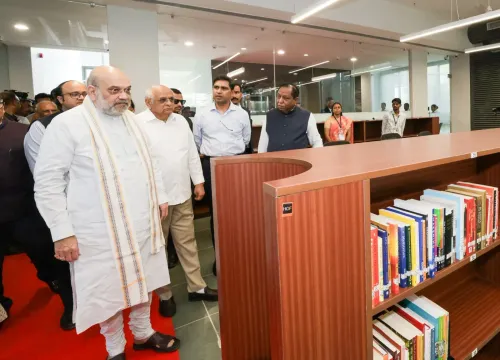
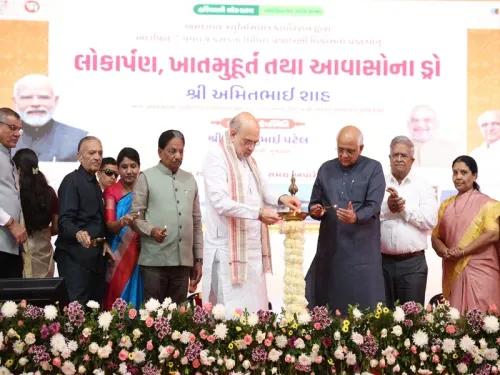
Amit Shah inaugurated the Knowledge Hub library in Jodhpur Ward, Ahmedabad on 9 November 2026 , built at a cost of ₹15.60 crore .
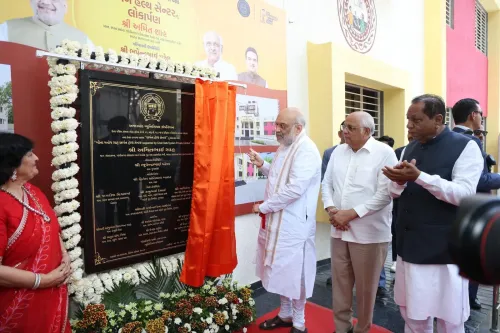
An Urban Primary Health Centre in the Gota-Science City area was also inaugurated, designed to serve around 80,000 people across 17 localities .
Approximately 46,700 of the beneficiaries are residents of slum settlements.
The health centre will be staffed by around 40 healthcare professionals and can conduct 21 types of laboratory tests .
The two inaugurations were part of 30 civic and infrastructure projects worth ₹1,024 crore announced during Shah's Ahmedabad visit.
Gujarat Chief Minister Bhupendra Patel attended both inauguration ceremonies.
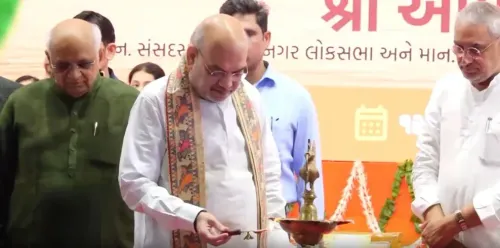
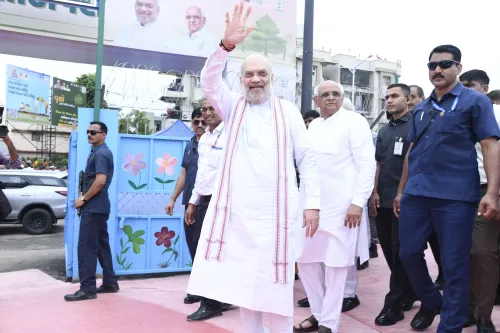
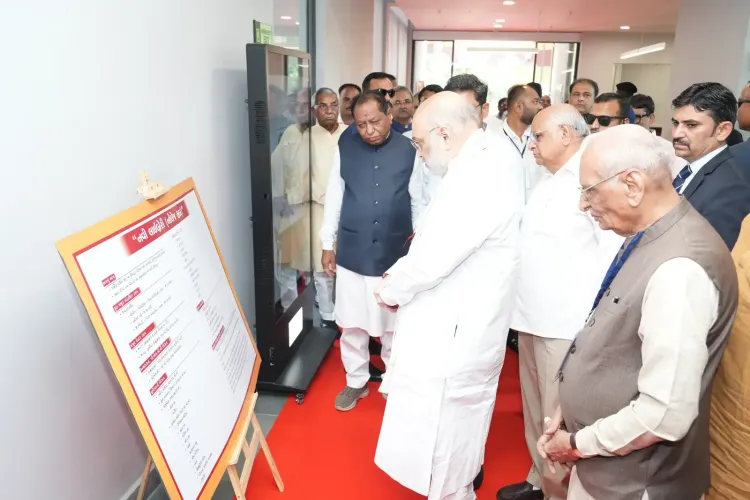
Union Home and Cooperation Minister Amit Shah on Monday, 9 November 2026, inaugurated two key civic facilities in Ahmedabad — an advanced library in Jodhpur Ward and a two-storey Urban Primary Health Centre in the Gota-Science City area. The health centre is expected to serve approximately 80,000 residents across 17 surrounding localities, including nearly 46,700 people living in slum settlements. Gujarat Chief Minister Bhupendra Patel attended both ceremonies.
Knowledge Hub: A Modern Learning Space in Jodhpur Ward
The library, formally named the Knowledge Hub, has been built near Tapas Bungalows in Jodhpur Ward under the Ahmedabad Municipal Corporation's (AMC) South-West Zone at an estimated cost of ₹15.60 crore. The project was developed under the civic body's 2024-25 budget with the aim of expanding access to educational resources for students and young people.
The facility is designed to support learning and research in science and technology, while also providing space for creative pursuits such as writing and drawing. It will function as a shared knowledge exchange platform, enabling students to work on academic projects and access subject-specific information in a structured environment.
The inauguration was attended by Ahmedabad Mayor Hitesh Barot, Jodhpur MLA Babubhai Patel, Municipal Commissioner Banchhanidhi Pani, Deputy Mayor Anju Shah, Standing Committee Chairman Kamlesh Patel, Municipal Ruling Party Leader Jashu Thakor, and other public representatives.
Urban Primary Health Centre: Broad Services for Underserved Areas
The newly inaugurated health centre in the Gota-Science City zone is a two-storey facility equipped with approximately 20 rooms and staffed by around 40 trained healthcare professionals. Its service basket covers general outpatient consultations, minor emergency care, dog-bite vaccination, screening for non-communicable diseases, paediatric and geriatric consultations, and treatment for eye and skin ailments.
Routine treatments for illnesses such as cold, cough, fever, diarrhoea and vomiting are also available, alongside management of diabetes and high blood pressure. Special nutritional supplements for children, pregnant women and senior citizens, as well as physiotherapy facilities, have been incorporated into the centre's offerings.
The facility is equipped to conduct 21 types of laboratory tests, bringing diagnostic services closer to residents who might otherwise face barriers to accessing hospitals. It will additionally provide school health screening and assistance with birth and death registration — services rarely bundled into primary urban health infrastructure.
Part of a ₹1,024 Crore Development Drive
The two inaugurations formed part of a broader civic development programme rolled out during Shah's visit to Ahmedabad, which saw 30 projects worth a combined ₹1,024 crore either inaugurated or given the go-ahead for foundation laying. The projects span housing, water supply, renewable energy, education and healthcare.
Among the previously announced initiatives were urban health centres in Gota and Chandlodia, developed at a combined cost of ₹9.19 crore. The AMC has framed these efforts as part of a sustained push to expand civic amenities in step with the city's rising population.
Significance for Ahmedabad's Urban Poor
The concentration of services — from laboratory diagnostics and physiotherapy to nutrition support and school health checks — under one roof marks a departure from the limited scope of earlier primary health infrastructure in peri-urban Ahmedabad. The fact that nearly 46,700 of the 80,000 projected beneficiaries are slum residents underscores the facility's focus on underserved communities. This is consistent with AMC's broader mandate to address service gaps as the city's informal settlements expand alongside its formal growth corridors.
Further rollout of similar facilities across other AMC zones is expected as the corporation advances its civic expansion agenda.
Point of View
024 crore into a single day maximises visibility ahead of ongoing municipal consolidation efforts in Gujarat. The health centre's scope is genuinely ambitious for a primary facility, but the real measure will be sustained staffing: 40 professionals serving 80,000 potential patients is a thin margin, and urban primary health centres across Indian cities have historically struggled with attrition. The Knowledge Hub fills a real gap in civic learning infrastructure, though its impact will depend on whether AMC maintains operational funding beyond the inauguration cycle. Gujarat's urban local bodies have a mixed record on that front.
NationPress
9 Nov 2026
Frequently Asked Questions
What did Amit Shah inaugurate in Ahmedabad on 9 November?
Amit Shah inaugurated two civic facilities in Ahmedabad on 9 November: the Knowledge Hub library in Jodhpur Ward, built at a cost of ₹15.60 crore, and an Urban Primary Health Centre in the Gota-Science City area designed to serve approximately 80,000 residents across 17 localities.
Who will benefit from the new Urban Primary Health Centre in Gota?
The health centre is expected to benefit around 80,000 people across 17 surrounding areas, with nearly 46,700 of them being residents of slum settlements. The facility will offer services ranging from outpatient care and diagnostics to nutrition supplements and physiotherapy.
What services does the Gota Urban Primary Health Centre provide?
The centre offers general outpatient care, minor emergency treatment, dog-bite vaccination, non-communicable disease screening, paediatric and geriatric consultations, eye and skin ailment treatment, diabetes and blood pressure management, 21 types of laboratory tests, school health screening, physiotherapy, and birth and death registration assistance.
What is the Knowledge Hub library in Jodhpur Ward?
The Knowledge Hub is a modern library constructed near Tapas Bungalows in Jodhpur Ward under the Ahmedabad Municipal Corporation's South-West Zone, funded at ₹15.60 crore under the 2024-25 AMC budget. It is designed to give students and young people access to educational resources, research facilities, and spaces for creative activities.
How large was the overall development programme during Shah's Ahmedabad visit?
Shah's visit encompassed 30 civic and infrastructure projects worth a combined ₹1,024 crore, covering housing, water supply, renewable energy, education and healthcare. The two inaugurations — the library and the health centre — were among the highlights of this broader development drive.