Smart meters legally mandatory in Maharashtra, not optional: Minister Bordikar

Synopsis
Maharashtra’s Power Minister shut down Opposition claims of rampant billing fraud by citing a striking statistic: of 11,770 smart meter complaints in Pune, only four were found valid. But with MLAs from the ruling alliance itself warning of on-ground volatility and potential violence, the government’s data-versus-ground-reality gap is the real story here.
Key Takeaways
Minister Meghna Sakore Bordikar told the Maharashtra State Assembly on 3 July that smart meter installation is legally mandatory under the Central Electricity Act of 2003 .
In Pune , 9.74 lakh smart meters were installed up to June 2026 ; of 11,770 billing complaints, only 4 were found factually valid.
NCP MLA Chetan Tupe alleged bills tripled after installation; Congress MLA Nana Patole alleged a corporate nexus and bills inflated fourfold.
Shiv Sena MLA Nilesh Rane warned of law-and-order risks to on-ground officials and called for a rollout pause.
The Minister clarified that CM Devendra Fadnavis’s earlier ‘optional’ assurance applied only to prepaid smart meters, not the post-paid meters currently being deployed.
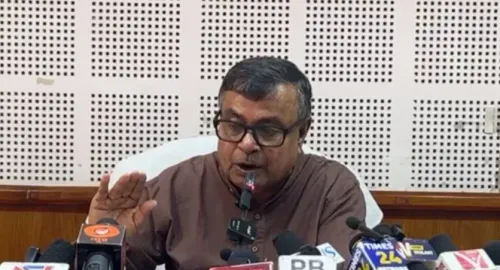
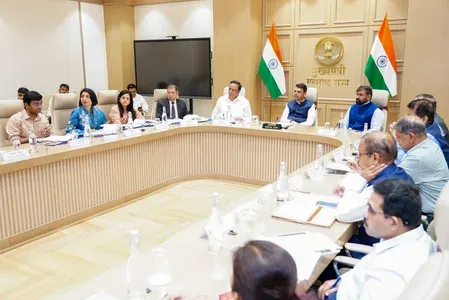
Minister of State for Power Meghna Sakore Bordikar on Friday, 3 July told the Maharashtra State Assembly that the installation of smart electricity meters is a legal obligation under Central law — not a matter of consumer choice — and urged lawmakers to stop spreading misconceptions that were fuelling unnecessary public alarm over electricity bills.
What Triggered the Debate
The discussion was initiated through a Calling Attention Motion moved by Bharatiya Janata Party (BJP) MLA Bhimrao Tapkir, who flagged frequent power outages and growing consumer anxiety over smart meters in Pune. The motion opened the floor to a sharp cross-party exchange, with both Opposition and ruling-alliance legislators raising concerns about alleged billing irregularities and public resentment.
Opposition Allegations: Tripled Bills and Corporate Nexus
Nationalist Congress Party (NCP) MLA Chetan Tupe alleged that electricity bills had nearly tripled in households where smart meters were installed, and questioned whether an independent mechanism existed to verify meter accuracy. He also asked whether consumers would be given the right to choose their meter.
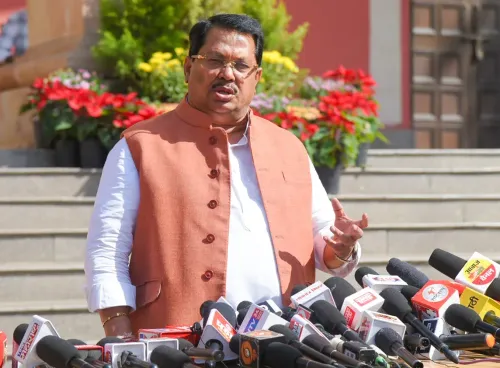
Congress legislator Nana Patole escalated the charge, alleging that the rollout was being outsourced to a major private corporation whose personnel handled installations in place of state electricity board officials. “These devices are inflating bills fourfold, disrupting household budgets. Under whose pressure is this entire exercise being run?” he asked. Patole also argued that the Electricity Act ‘is not God-given’ and could be amended to shield citizens from financial exploitation.
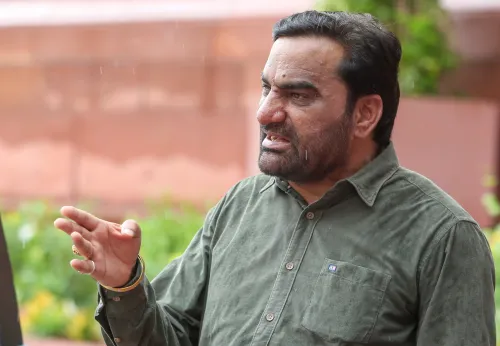
Shiv Sena MLA Nilesh Rane warned of a deteriorating law-and-order situation, claiming that disputes over smart meters were simmering in almost every legislator’s constituency. “On-ground officials are at risk of being physically assaulted. The data claiming low complaints is fabricated; ground-level officials are hiding the truth from the Ministry,” he charged, calling for an immediate pause in the rollout.
Government’s Response: Law, Data, and a Key Distinction
Minister Bordikar refuted the Opposition’s claims with statistical evidence, stating that smart meter installation is mandated under the Central Electricity Act of 2003 and the Central Electricity Authority (Installation and Operation of Meters) Regulations, 2006. She said distribution companies are legally required to install these meters and have no discretion to skip the rollout.
On billing complaints, she cited figures from Pune: of 11,770 complaints received regarding fast-running meters or high bills, verification mechanisms found that only four complaints had factual merit — out of 9.74 lakh meters installed in the city up to June 2026. “The narrative that smart meters inherently increase electricity bills is completely false. On the contrary, smart meters allow consumers to benefit from cheaper power tariffs during daytime hours,” she said.
Prepaid vs Post-Paid: Clarifying the CM’s Earlier Assurance
Addressing a pointed reminder from Patole that Chief Minister Devendra Fadnavis had previously assured the House that smart meters would be optional, Minister Bordikar drew a technical distinction. The CM’s assurance, she clarified, applied specifically to prepaid smart meters. The meters currently being deployed across Maharashtra are regular post-paid smart meters, which remain legally mandatory for all power distribution companies. She promised that any valid consumer grievances would continue to be resolved promptly.
What Happens Next
The debate reflects a widening gap between the government’s legal position and public perception on the ground. With 9.74 lakh meters already installed in Pune alone and the statewide rollout continuing, pressure on the government to establish a transparent, accessible grievance-redressal mechanism is likely to intensify in coming legislative sessions.
Point of View
Not just the Opposition, are raising red flags about on-ground volatility suggests the problem is not merely one of perception management. The prepaid-versus-postpaid distinction the Minister offered is legally sound but politically thin: most consumers do not parse that difference, and the government has not done enough to communicate it. Maharashtra’s smart meter rollout is a microcosm of a national pattern — Centre-mandated infrastructure modernisation colliding with state-level implementation gaps and a near-total absence of consumer-facing transparency.
NationPress
2 Oct 2026
Frequently Asked Questions
Are smart meters legally mandatory in Maharashtra?
Yes. Minister of State for Power Meghna Sakore Bordikar confirmed on 3 July that smart meter installation is legally mandatory under the Central Electricity Act of 2003 and the Central Electricity Authority (Installation and Operation of Meters) Regulations, 2006. Power distribution companies are required by law to install these meters.
Why are consumers in Maharashtra complaining about higher electricity bills after smart meter installation?
Opposition MLAs allege that smart meters are causing bills to triple or even quadruple for some households. However, the government disputes this, stating that of 11,770 complaints in Pune alone, checking mechanisms found only four to have factual merit out of 9.74 lakh meters installed.
Did CM Devendra Fadnavis say smart meters would be optional?
CM Fadnavis had previously assured the Maharashtra Assembly that smart meters would be optional. Minister Bordikar clarified that this assurance applied specifically to prepaid smart meters. The post-paid smart meters currently being rolled out across the state remain legally mandatory.
Who raised concerns about the smart meter rollout in the Maharashtra Assembly?
The issue was raised via a Calling Attention Motion by BJP MLA Bhimrao Tapkir. NCP MLA Chetan Tupe, Congress MLA Nana Patole, and Shiv Sena MLA Nilesh Rane all voiced concerns, alleging billing irregularities, a corporate nexus in installation, and potential law-and-order problems in rural areas.
What are the benefits of smart meters according to the Maharashtra government?
Minister Bordikar stated that smart meters allow consumers to access cheaper electricity tariffs during daytime hours, making them potentially cost-saving rather than cost-inflating. The government maintains that the narrative of smart meters inherently raising bills is factually incorrect.