Soil Health Cards cut fertiliser costs for Yamunanagar farmers
Synopsis
In Yamunanagar, over 1,10,158 soil samples were tested free of cost last year under the Soil Health Card scheme — giving farmers a 12-parameter prescription for fertiliser use instead of guesswork. It is a quiet but concrete example of how precision agriculture can reach smallholder farms without high technology costs.
Key Takeaways
The Soil Health Card scheme provides free soil testing to farmers in Yamunanagar, Haryana , covering 12 parameters including pH, nitrogen, phosphorus, and micronutrients.
1,10,158 soil samples were received and tested in Yamunanagar district last year, with all farmers receiving Soil Health Cards.
Farmers can submit samples directly to the Soil Testing Laboratory in Jagadhri or have field staff collect samples under the 'Har Khet Swasth Khet' initiative.
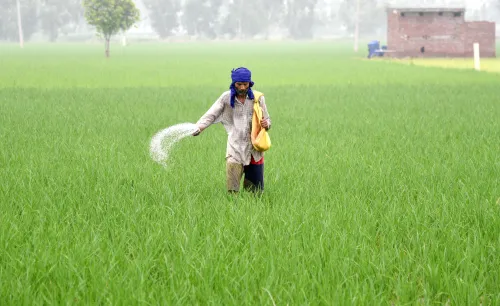
Indiscriminate use of fertilisers such as DAP , urea , and zinc without soil data inflates costs and degrades soil health, according to officials.
The Agriculture and Soil Testing Department conducts annual village-level awareness camps to promote soil testing and balanced fertiliser use.
The Soil Health Card scheme, a flagship initiative of the central government, is transforming how farmers in Yamunanagar, Haryana, manage their fields — enabling data-driven fertiliser decisions that can lower cultivation costs and restore soil productivity. Officials and soil-testing experts say the programme, which provides free testing and crop-specific recommendations, is particularly timely as input costs continue to squeeze farm margins across the state.
What Soil Testing Reveals
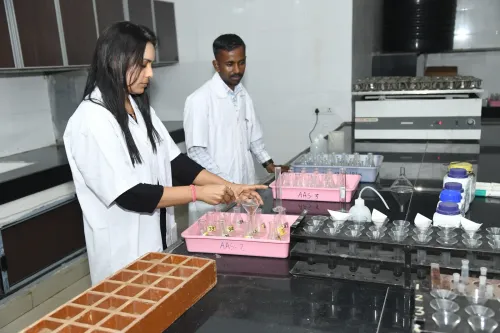
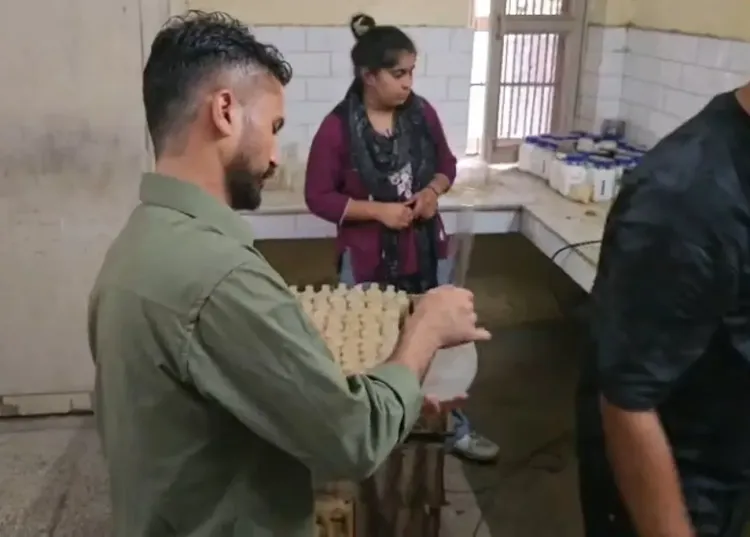
At the Soil Testing Laboratory in Jagadhri, Analytical Associate Yogesh explained that every soil sample is evaluated across 12 parameters: pH, electrical conductivity (EC), organic carbon, nitrogen, phosphorus, sulphur, potassium, zinc, manganese, iron, copper, and boron. Together, these indicators paint a complete picture of a field's nutrient profile.
'Testing helps farmers understand which nutrients are deficient, adequate or present in excess, allowing them to use fertilisers accordingly,' Yogesh said. He noted that pH reveals whether soil is acidic or alkaline, while EC signals salt concentration — both of which affect how efficiently crops absorb nutrients. Visible symptoms such as fruit cracking can be linked to boron deficiency, and yellowing or reddening of leaves may indicate zinc deficiency, but Yogesh cautioned that soil testing offers a far more reliable diagnosis than relying on symptoms alone.
The broader concern, he pointed out, is that many farmers routinely apply fertilisers such as DAP, urea, and zinc without knowing whether those nutrients are already sufficiently present in their soil. Such indiscriminate use inflates costs and can degrade soil health over time.
How the Soil Health Card Works
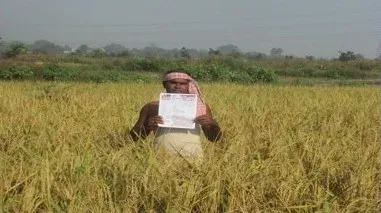
Once testing is complete, farmers receive a Soil Health Card detailing the nutrient status of their field alongside specific recommendations on the type and quantity of fertiliser required per acre for a given crop. The card effectively acts as a prescription, replacing guesswork with evidence.
Farmers can submit soil samples directly to the laboratory at no charge. Under the 'Har Khet Swasth Khet' (Every Field Healthy Field) initiative, agriculture department field staff also collect samples from farms and dispatch them to laboratories, ensuring that even farmers with limited mobility can access the service.
Scale of the Programme in Yamunanagar
District Agriculture Officer Aditya Dabas said the department receives annual targets for soil testing across Yamunanagar district. In the last year alone, 1,10,158 soil samples were received, all of which were tested and returned to farmers as Soil Health Cards. The district is primarily known for wheat, paddy, and sugarcane cultivation, with mustard grown in select areas and poplar cultivation also practised.
Dabas attributed part of the nutrient depletion problem to continuous monoculture and entrenched crop cycles, which gradually strip specific nutrients from the soil. 'Continuous cultivation of the same crops and prevailing crop cycles can lead to deficiencies of certain essential nutrients in the soil,' he said. Soil testing, in his view, is the most practical tool available to break that cycle.
Awareness and Outreach Efforts
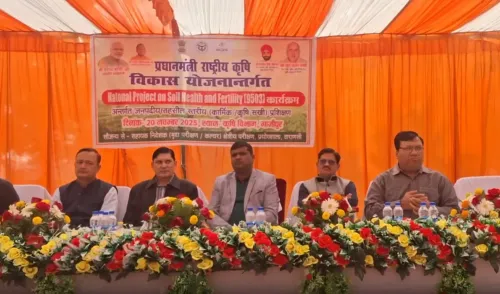
The Agriculture and Soil Testing Department runs awareness camps annually, with department teams visiting villages at the block level to educate farmers on soil testing, cost reduction, and long-term soil health management. Dabas urged farmers to use the free facility regularly, saying that knowing the actual condition of the soil enables better fertiliser decisions — improving both soil health and crop yields over time.
With 1,10,158 cards issued in a single year and free testing available on demand, Yamunanagar's experience offers a replicable model for other districts seeking to bring precision agriculture within reach of smallholder farmers.
Point of View
And a card that tells a farmer precisely what their field needs is a direct subsidy substitute. Yet the scheme's reach depends entirely on ground-level execution: whether block-level staff actually collect samples, whether labs turn results around quickly, and whether farmers trust and act on the recommendations. Yamunanagar's figure of 1,10,158 samples in a year is encouraging, but without tracking whether those cards changed actual fertiliser application behaviour, the output metric risks becoming an end in itself rather than a means to measurable soil and income improvement.
NationPress
18 Oct 2026
Frequently Asked Questions
What is the Soil Health Card scheme and how does it help farmers?
The Soil Health Card scheme is a central government initiative that provides farmers with free soil testing and crop-specific fertiliser recommendations. Each card details the nutrient status of a farmer's field across 12 parameters and advises on the type and quantity of fertiliser required per acre, helping reduce unnecessary expenditure and improve soil health.
Which parameters are tested under the Soil Health Card programme?
Soil samples are tested across 12 parameters: pH, electrical conductivity (EC), organic carbon, nitrogen, phosphorus, sulphur, potassium, zinc, manganese, iron, copper, and boron. Major nutrients and micronutrients are both assessed to give a complete picture of soil health.
How can farmers in Yamunanagar get their soil tested?
Farmers can bring soil samples directly to the Soil Testing Laboratory in Jagadhri at no cost. Under the 'Har Khet Swasth Khet' initiative, agriculture department field staff also visit farms to collect samples and send them to laboratories, after which farmers receive their Soil Health Cards.
How many soil samples were tested in Yamunanagar last year?
According to District Agriculture Officer Aditya Dabas, 1,10,158 soil samples were received in Yamunanagar district last year. All samples were tested and farmers were provided with Soil Health Cards containing nutrient status reports and fertiliser recommendations.
Why is balanced fertiliser use important for farmers?
Applying fertilisers without knowing the soil's actual nutrient levels leads to unnecessary expenditure and can damage soil health over time. Soil testing identifies which nutrients are deficient, adequate, or in excess, allowing farmers to apply only what is needed — reducing costs and sustaining long-term crop productivity.