Gujarat Soil Health Cards: 2.23 crore issued, farmers cut fertiliser use and boost yields
Synopsis
Gujarat's two-decade-old Soil Health Card programme has crossed 2.23 crore cards issued — and the numbers on the ground are striking. One Bhavnagar cotton farmer cut fertiliser use by more than half and watched yields jump 40 per cent. The scheme, born in Gujarat under then-CM Modi in 2003-04, went national in 2015 and is now targeting 2.18 lakh fresh soil tests this year alone.
Key Takeaways
2.23 crore Soil Health Cards have been issued free to farmers in Gujarat over the past two decades.
Cotton farmer Hiren Nakrani of Bhavnagar district cut urea use from 400 kg to 180 kg and boosted output by more than 40 per cent after following card recommendations.
Each card analyses 12 soil parameters — six major nutrients and six micronutrients — and prescribes fertiliser use accordingly.
Gujarat runs 21 soil-testing laboratories plus one specialised micronutrient lab statewide.
The programme began in Gujarat in 2003-04 and was scaled nationally in 2015 ; the state targets 2.18 lakh fresh soil tests in the current year.
More than 2.23 crore Soil Health Cards have been issued free of cost to farmers across Gujarat over the past two decades, enabling cultivators to reduce fertiliser consumption, lower production costs, and improve crop yields. The state has now set a fresh target of testing 2.18 lakh soil samples and issuing updated cards during the current year, according to state agricultural officials.
A Farmer's Turnaround in Bhavnagar
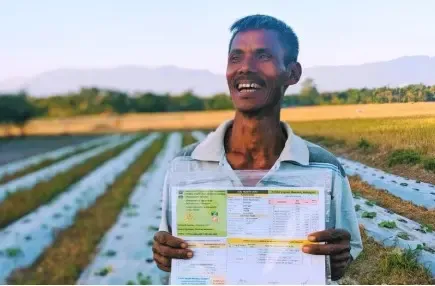
The tangible impact of the programme is visible in the fields of Hiren Nakrani, a cotton farmer from Gariadhar village in Bhavnagar district, who cultivates cotton on 12 bighas of land. Before enrolling in the scheme, Nakrani applied 400 kg of urea and 290 kg of DAP fertiliser annually — yet his output remained capped at around 200 maunds while cultivation costs kept climbing.
After submitting soil samples to the Soil Testing Laboratory in Bhavnagar on the advice of a village extension worker and receiving his Soil Health Card, his urea consumption fell to 180 kg and DAP to 140 kg — savings of 220 kg of urea and 150 kg of DAP. His cotton output simultaneously rose from 200 maunds to 281 maunds, a gain of more than 40 per cent, while cultivation costs were reportedly cut by roughly half.
Recalling the shift, Nakrani said: 'Earlier, we were shooting in the dark. We kept applying excessive bags of fertiliser in the hope of increasing production and ended up damaging the soil. But when the Soil Health Card came into our hands, we realised that it was the X-ray report of our land. Now we apply only the quantity of fertiliser that is actually required according to the recommendations. As a result, our costs have halved, and the crop yield has increased substantially.'
Soil Regeneration in Surendranagar
Arun Meniya, a farmer from Lakhtar taluka in Surendranagar district, reported that soil testing prompted a shift toward organic fertilisers in his fields. 'After receiving the Soil Health Card, my land was tested, and I began using organic fertilisers. As a result, the hardened soil in my fields became softer, and the moisture-retention capacity of the land improved,' he said.
What the Card Analyses
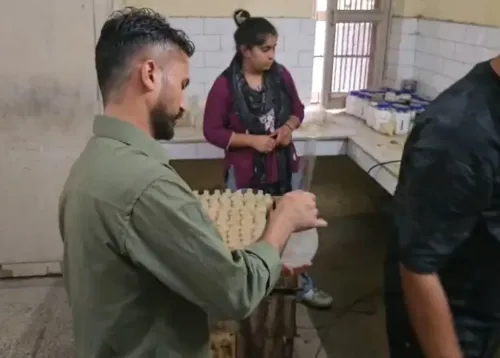
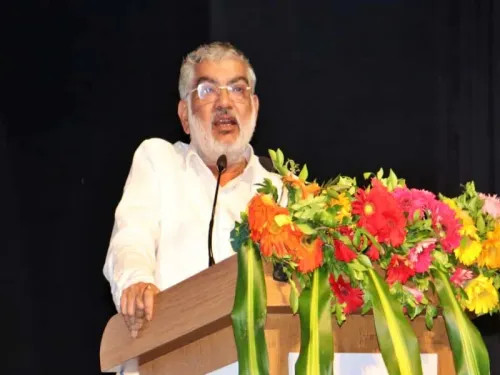
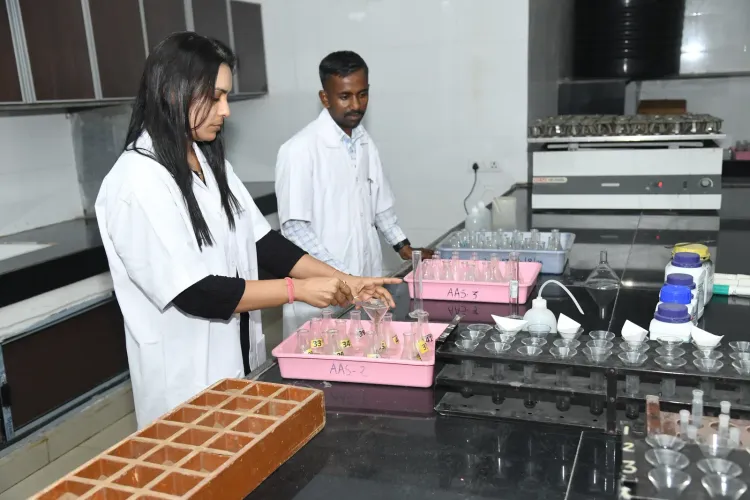
Parul Parmar, Assistant Director of Agriculture at the Gandhinagar Soil Testing Laboratory, explained that each card analyses 12 soil parameters — six major nutrients including nitrogen, phosphorus, and potassium, and six micronutrients including copper, iron, zinc, and manganese. 'Based on this analysis, recommendations are provided to farmers regarding fertiliser use. Applying fertilisers according to these recommendations prevents unnecessary wastage and helps maintain soil health,' Parmar said.
Gujarat currently operates 21 soil-testing laboratories and one specialised micronutrient laboratory to carry out this analysis statewide.
How to Collect Samples Correctly
Rakesh Sapariya, Assistant Director of Agriculture, stressed that accurate results depend on correct sample collection. Samples should be drawn from 10 to 20 locations within a hectare using a zig-zag method, avoiding field boundaries, roadsides, waterlogged areas, or spots under tree shade. Soil must be collected from pits 15 to 20 centimetres deep, thoroughly mixed, divided into four parts, and reduced to a representative 500-gram sample before dispatch to the laboratory.
From Gujarat to a National Scheme
The Soil Health Card initiative originated in Gujarat in 2003-04, when the then Chief Minister Narendra Modi raised concerns about declining soil fertility caused by excessive and indiscriminate use of chemical fertilisers. The underlying idea — that laboratory tests used to assess human health could be adapted to evaluate agricultural land — made Gujarat the first state in the country to implement the programme.
Following its reported success in the state, the scheme was expanded nationally in 2015 after Modi became Prime Minister. The combined efforts of the Gujarat and central governments now aim to test 2.18 lakh soil samples in the current year as part of a broader push to promote scientific farming, restore soil fertility, and sustain agricultural productivity.
Point of View
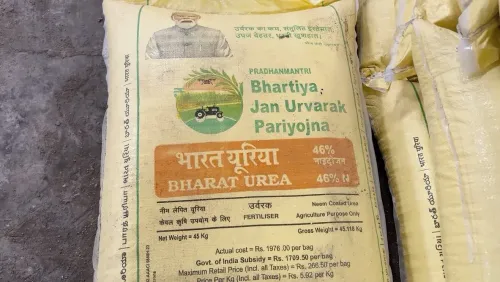
But the programme's true test is aggregate: whether two decades and 2.23 crore cards have moved the needle on Gujarat's overall fertiliser consumption and soil organic carbon levels, data the state has not prominently published. The scheme also sidesteps a structural issue — input subsidy architecture that still incentivises over-application of urea regardless of what a card recommends. Until fertiliser pricing reform accompanies soil advisory, the card risks being a well-intentioned nudge against a powerful economic current.
NationPress
26 Sept 2026
Frequently Asked Questions
What is the Soil Health Card scheme in Gujarat?
The Soil Health Card scheme provides farmers with a free scientific assessment of their soil's nutrient status across 12 parameters, along with tailored fertiliser recommendations. Gujarat launched it in 2003-04 and has since issued more than 2.23 crore cards; the initiative was later expanded nationally in 2015.
How has the Soil Health Card helped Gujarat farmers reduce costs?
By following the card's fertiliser recommendations, farmers have applied only the nutrients their soil actually needs, cutting unnecessary expenditure. Bhavnagar farmer Hiren Nakrani, for instance, halved his cultivation costs and reduced urea consumption from 400 kg to 180 kg annually.
What soil parameters does the Soil Health Card analyse?
Each card analyses 12 parameters: six major nutrients — including nitrogen, phosphorus, and potassium — and six micronutrients including copper, iron, zinc, and manganese. Recommendations on fertiliser application are based on the results of this analysis.
Who started the Soil Health Card programme and when?
The programme was initiated in Gujarat in 2003-04 under then Chief Minister Narendra Modi, who was concerned about soil fertility declining due to indiscriminate chemical fertiliser use. It became a national scheme in 2015 after Modi became Prime Minister.
What is Gujarat's soil testing target for the current year?
Gujarat has set a target of testing 2.18 lakh soil samples and issuing fresh Soil Health Cards during the current year, as part of continued efforts to promote scientific farming and improve long-term soil fertility across the state.