South Korea marks 76th Korean War anniversary with Suwon ceremony
Synopsis
Seventy-six years after the Korean War's outbreak, South Korea is marking the anniversary with a Suwon ceremony honouring 35,000 bereaved families and conferring military merit awards — while President Lee Jae Myung visited front-line troops on Yeonpyeong Island and unveiled plans to overhaul the country's compulsory military service system.
Key Takeaways
South Korea holds its 76th Korean War anniversary ceremony on Thursday at a convention centre in Suwon , with around 1,000 attendees including foreign diplomats.
The veterans ministry will confer the Order of Military Merit on three individuals , two of them posthumously .
Appreciation plaques will be presented to approximately 35,000 bereaved family members of fallen service members and police officers.
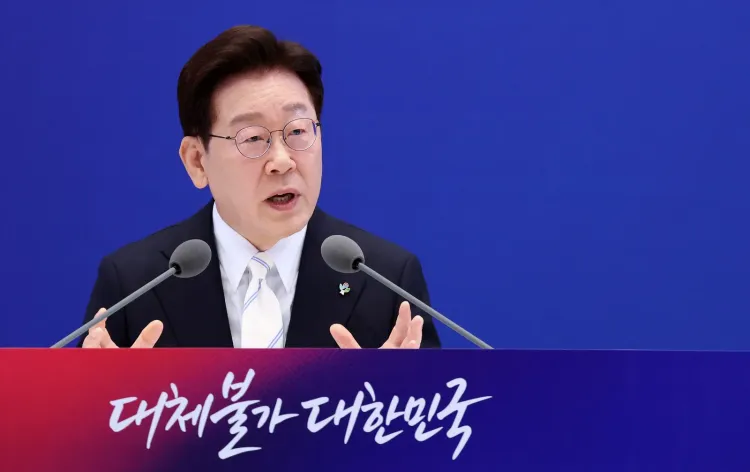
President Lee Jae Myung visited a Marine Corps unit on Yeonpyeong Island on Wednesday , stressing the need for strong deterrence.
Lee pledged to reform South Korea's compulsory military service system, eventually moving toward a voluntary model .
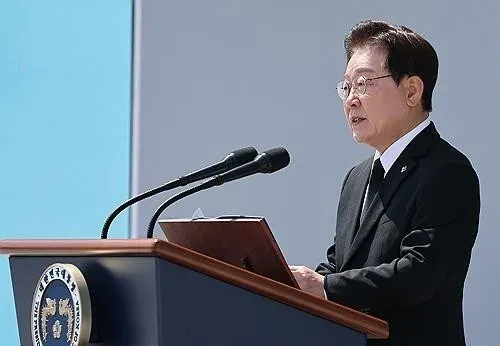
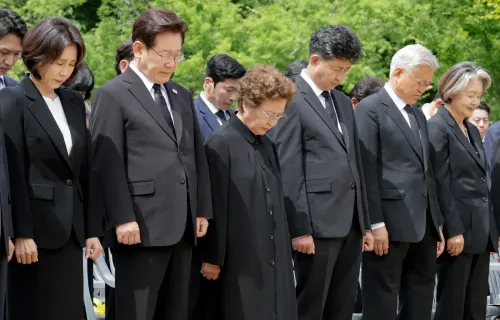
South Korea is set to commemorate the 76th anniversary of the 1950–53 Korean War this week, with a formal ceremony scheduled for Thursday at a convention centre in Suwon, just south of Seoul. The event, organised by the veterans ministry, will bring together approximately 1,000 attendees, including foreign diplomats from nations that sent troops to fight in the conflict.
Key Developments at the Anniversary Ceremony
The veterans ministry will confer the Order of Military Merit on three individuals recognised as 'irregular forces' who contributed to the war effort — two of them posthumously. A choir made up of descendants of an Ethiopian unit deployed during the Korean War will perform the traditional Korean folk song 'Arirang' at the event, in a gesture honouring the multinational character of the conflict.
The ministry also plans to present appreciation plaques to around 35,000 bereaved family members of fallen service members and police officers, acknowledging the enduring cost borne by their families over seven decades.
President Lee Visits Front-Line Troops
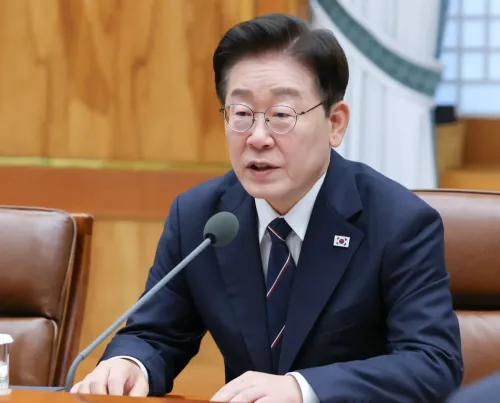
South Korean President Lee Jae Myung travelled on Wednesday — the eve of the anniversary — to a front-line Marine Corps unit stationed on Yeonpyeong Island, located just below the Northern Limit Line in the Yellow Sea, the de facto inter-Korean maritime border. The visit was intended to underscore the country's security posture amid continued tensions with North Korea.
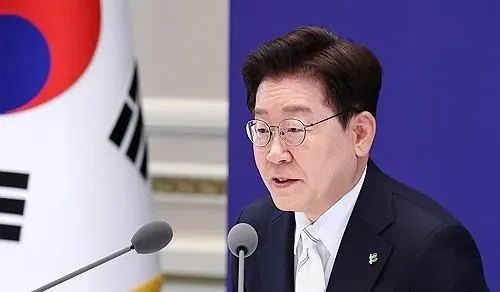
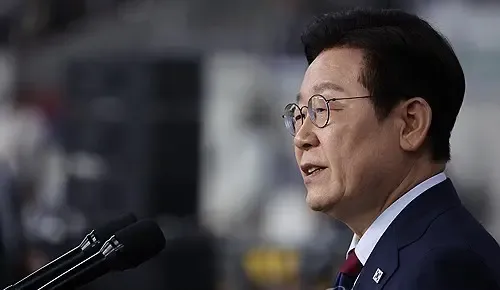
Sharing lunch with the unit's service members, Lee outlined what he described as three stages of national security: winning a fight, winning without a fight, and making a fight unnecessary. He identified the third stage as the most critical. 'This exactly constitutes peace. Peace is the most solid foundation for security,' he said.
Deterrence and Military Reform Pledges
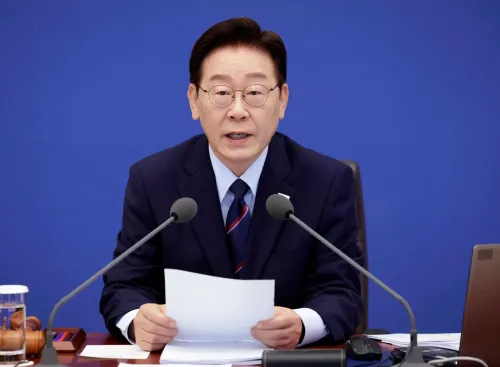
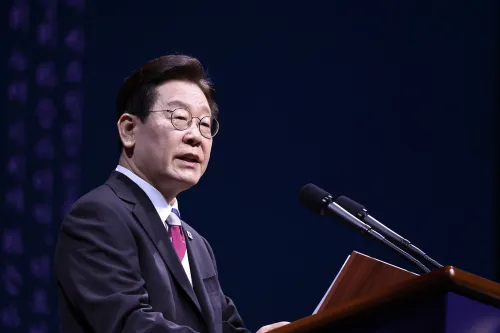
President Lee pledged to strengthen military capabilities, stating that peace must rest on 'strong deterrence to overpower the enemy.' He also announced intentions to reform South Korea's compulsory military service system, with a long-term goal of transitioning toward a voluntary model. 'I will reform the system so that you no longer waste your precious time in the military, but that (your military service) helps you demonstrate your abilities in society,' Lee said.
Historical Context
The Korean War began on 25 June 1950 and ended with an armistice signed on 27 July 1953 — leaving the peninsula divided between a capitalist South and a socialist North, with the two sides technically still at war. More than 20 nations contributed troops or support under the United Nations banner, making it one of the first major multilateral conflicts of the Cold War era. The anniversary falls at a time of continued strategic uncertainty on the peninsula, lending fresh weight to Lee's emphasis on deterrence.
With military reform on the table and front-line diplomacy underway, South Korea's approach to the anniversary signals both solemn remembrance and active security recalibration.
Point of View
Win without fighting, make fighting unnecessary — is philosophically coherent, but the real test will be whether the promised military service reform survives political resistance at home. South Korea's conscription system is deeply embedded in society; any move toward voluntarism will face demographic, budgetary, and strategic scrutiny that a single speech cannot resolve.
NationPress
22 Sept 2026
Frequently Asked Questions
What is South Korea doing to mark the 76th anniversary of the Korean War?
South Korea is holding a formal commemoration ceremony on Thursday at a convention centre in Suwon, attended by around 1,000 people including foreign diplomats. The veterans ministry will confer the Order of Military Merit on three individuals and present appreciation plaques to roughly 35,000 bereaved family members.
Why did President Lee Jae Myung visit Yeonpyeong Island?
President Lee visited the front-line Marine Corps unit on Yeonpyeong Island on Wednesday, the eve of the Korean War anniversary, to emphasise South Korea's commitment to strong military deterrence against North Korea. The island sits just below the Northern Limit Line, the de facto inter-Korean maritime border.
What military reforms did President Lee announce?
Lee pledged to overhaul South Korea's compulsory military service system with a long-term goal of replacing conscription with a voluntary model. He said the reform would ensure service members' time in the military contributes to their broader societal capabilities.
When did the Korean War begin and end?
The Korean War began on 25 June 1950 and ended with an armistice signed on 27 July 1953. The conflict left the Korean Peninsula divided into North and South Korea, with the two sides technically still at war as no formal peace treaty has been signed.
Which countries participated in the Korean War?
More than 20 nations contributed troops or support under the United Nations banner during the Korean War, including the United States, the United Kingdom, Ethiopia, and others. Descendants of the Ethiopian unit are participating in this year's anniversary ceremony in Suwon.