South Korea-US Korean War remains repatriation: Lee calls it 'testament' to alliance
Synopsis
At a joint ceremony returning the remains of 10 South Korean and 3 US soldiers killed in the Korean War, President Lee Jae Myung called the decades-long recovery effort the ‘most powerful testament’ to the alliance — a pointed diplomatic signal as peninsular security pressures mount and South Korea prepares for its annual Memorial Day observance on 6 June.
Key Takeaways
President Lee Jae Myung called joint Korean War remains recovery the ‘most powerful testament’ to the South Korea-US alliance on 5 June 2025 .
Remains of 10 South Korean service members were returned from Hawaii ; remains of 3 US soldiers were repatriated to the United States.
The ceremony was held at Seoul Air Base in Seongnam .
Lee pledged to continue DNA analysis until every fallen soldier’s identity is confirmed.
South Korea’s annual Memorial Day ceremony will be held on 6 June at Seoul National Cemetery , attended by around 3,000 people .
Families of two Army soldiers killed in a February helicopter training accident will also attend the Memorial Day event.
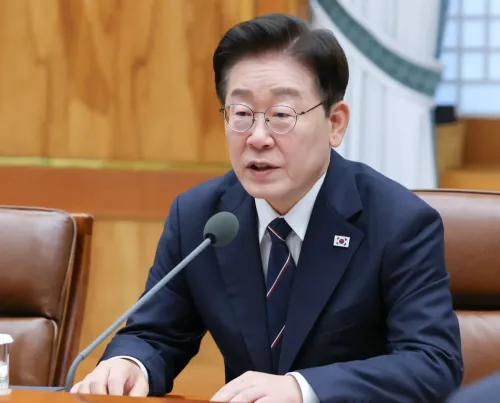
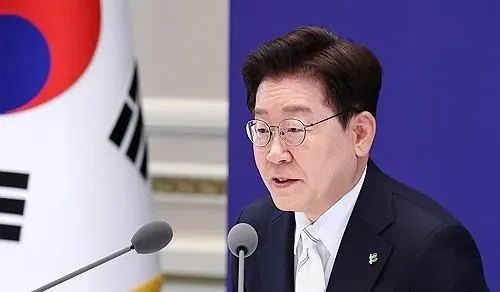
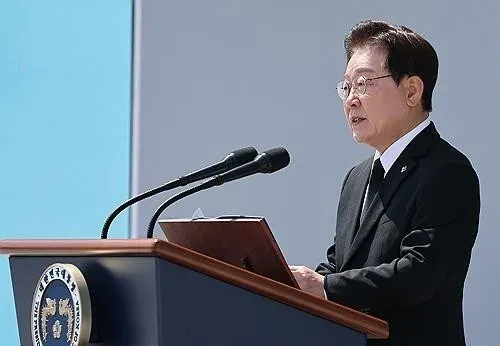
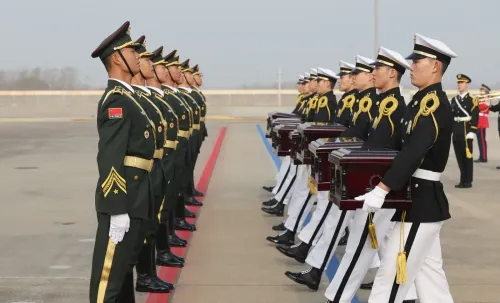
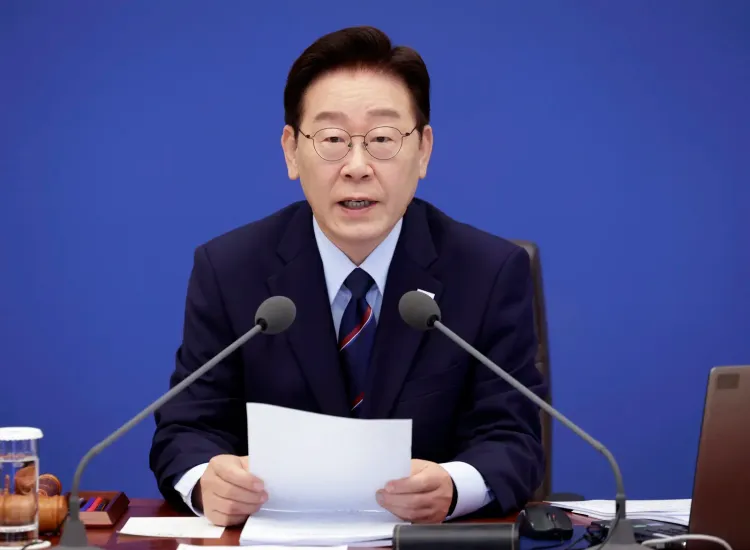
South Korean President Lee Jae Myung on Friday, 5 June described joint efforts by South Korea and the United States to recover and repatriate the remains of troops killed during the 1950–53 Korean War as the “most powerful testament” to the bilateral alliance. The remarks came during a joint repatriation ceremony at Seoul Air Base in Seongnam, south of the capital, where the remains of 10 fallen South Korean service members were returned from Hawaii and those of three US soldiers were repatriated to the United States.
What Lee Said at the Ceremony
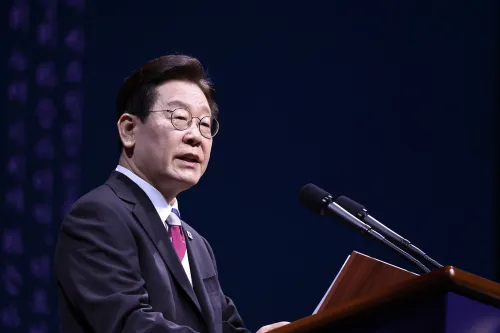
“Today’s repatriation marks a meaningful milestone that further deepens and solidifies the South Korea-US alliance, built on the blood and sacrifice of war veterans,” President Lee said at the ceremony. He framed the joint recovery effort as more than a logistical undertaking, calling it a “pledge” by both nations to honour those who fought for freedom and peace, and the “highest tribute” that could be paid to their memory.
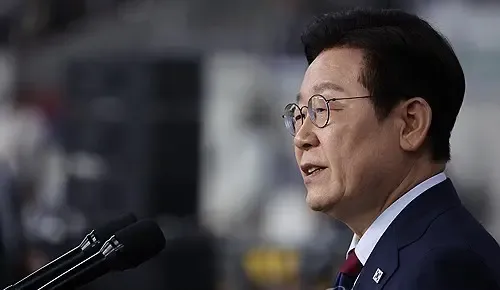
“It is our obligation to history to ensure their complete return,” Lee said, adding that remembering the service and sacrifice of fallen soldiers is the “duty of the state and the reason for its existence.”
Commitment to Identification Efforts
Lee stressed that DNA analysis and identification work would continue without pause. “We will never stop DNA analysis and efforts to identify and trace the remains until the very last hero’s identity is confirmed so that those who defended the nation may rest in peace in their homeland,” he said. The pledge underscores an ongoing bilateral programme that has spanned decades and recovered remains from both the Korean peninsula and storage facilities in the United States.
This is not an isolated gesture — South Korea and the US have conducted multiple joint repatriation ceremonies over the years as part of a sustained effort to account for the tens of thousands of troops still listed as missing from the conflict. The ceremony reflects a broader diplomatic signal at a time when the alliance is navigating renewed security pressures on the Korean peninsula.
Memorial Day Ceremony This Week
Separately, South Korea’s veterans ministry confirmed that the country’s annual Memorial Day ceremony will be held on Saturday, 6 June at Seoul National Cemetery, attended by approximately 3,000 people. Attendees will include bereaved families of Korean War veterans, recipients of national merit recognition, and — notably — the families of two Army soldiers who died in a military helicopter training accident in February.
The ceremony will begin with a silent tribute at 10 am. Four individuals, including those who died or were disabled in the line of duty, will receive presidential certificates recognising national merit.
Significance for the Alliance
The dual events — the repatriation ceremony and the upcoming Memorial Day observance — arrive at a symbolically charged moment. The South Korea-US Mutual Defence Treaty has underpinned peninsular security for over seven decades, and gestures of shared remembrance carry diplomatic weight beyond their ceremonial function. Critics and analysts alike note that honouring war dead together reinforces the human dimension of an alliance that is often discussed in terms of troop deployments and deterrence posture. How both governments sustain these commitments amid evolving geopolitical pressures will be closely watched.
Point of View
A joint repatriation event is a low-cost, high-symbolism investment in alliance optics. Lee’s framing — that recovering the enemy’s ally’s dead is the highest proof of friendship — is a deliberate rhetorical move, not just ceremonial language. What mainstream coverage underplays is the scale of the unfinished task: tens of thousands of Korean War dead remain unaccounted for on both sides, meaning these ceremonies will continue to be diplomatically useful for years. The inclusion of the February helicopter accident families in the Memorial Day roster also signals that Lee is broadening the definition of honourable sacrifice beyond wartime, which has quiet implications for how the state addresses contemporary military casualties.
NationPress
21 Oct 2026
Frequently Asked Questions
What happened at the South Korea-US Korean War remains repatriation ceremony on 5 June 2025?
South Korea and the United States held a joint repatriation ceremony at Seoul Air Base in Seongnam on 5 June 2025, returning the remains of 10 South Korean service members from Hawaii and repatriating the remains of 3 US soldiers to the United States. President Lee Jae Myung presided over the event and called the effort the ‘most powerful testament’ to the bilateral alliance.
What did President Lee Jae Myung say about the South Korea-US alliance at the ceremony?
Lee said the joint recovery and return of fallen soldiers from both nations is the ‘most powerful testament to the alliance forged in blood.’ He also described the repatriation as a pledge to remember war heroes and called it the ‘highest tribute’ that can be paid to their sacrifices.
What is South Korea’s Memorial Day and when is it observed?
South Korea’s Memorial Day is observed annually on 6 June to honour fallen soldiers and public servants who died in service to the nation. The 2025 ceremony will be held at Seoul National Cemetery, attended by approximately 3,000 people including bereaved families of Korean War veterans.
Will DNA identification efforts for Korean War remains continue?
Yes. President Lee pledged that DNA analysis and identification work will continue until every fallen soldier’s identity is confirmed. The joint South Korea-US programme has been ongoing for decades, covering remains recovered from the Korean peninsula and storage facilities in the United States.
Who else will attend the 2025 Memorial Day ceremony?
Beyond Korean War veterans’ families, the 2025 Memorial Day ceremony will include the bereaved families of two Army soldiers killed in a military helicopter training accident in February. Four individuals who died or were disabled in the line of duty will also receive presidential certificates recognising national merit.