Spain-Gibraltar border checks lifted under post-Brexit EU-UK deal
Synopsis
For the first time since Brexit, routine checks vanished at the Spain-Gibraltar land border at midnight on 15 July 2026 — marked by Beethoven's 'Ode to Joy' and crowds on both sides. A deal six years in the making now provisionally eases daily life for over 15,000 cross-border commuters, though full ratification still lies ahead.
Key Takeaways
Routine border checks at the Spain-Gibraltar land crossing were lifted at midnight on 15 July 2026 .
The post-Brexit agreement between the EU and Britain was signed in Brussels on 14 July 2026 and entered provisional application the following day.
The deal removes daily barriers for more than 15,000 commuters who cross the frontier every day, according to the British government.
Gibraltar Chief Minister Fabian Picardo called it 'the beginning of a new era' for Gibraltar's economy.
The agreement still requires European Parliament consent and full ratification by both the EU and British sides before it becomes permanent.
Negotiations involved all four parties — the EU, Britain, Spain , and Gibraltar — and concluded in June 2025 .
Routine border checks at the Spain-Gibraltar land crossing were lifted on Wednesday, 15 July 2026, as a landmark post-Brexit agreement between the European Union and Britain entered provisional application. The move marks the most significant change to the frontier's status in decades, ending a decades-long friction point for tens of thousands of daily commuters.
What Changed at Midnight
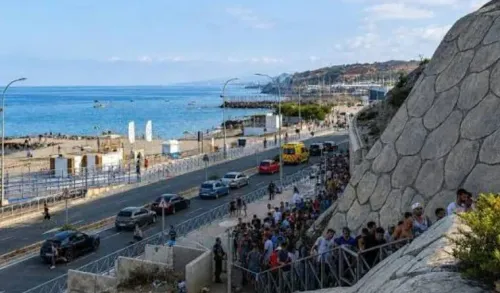
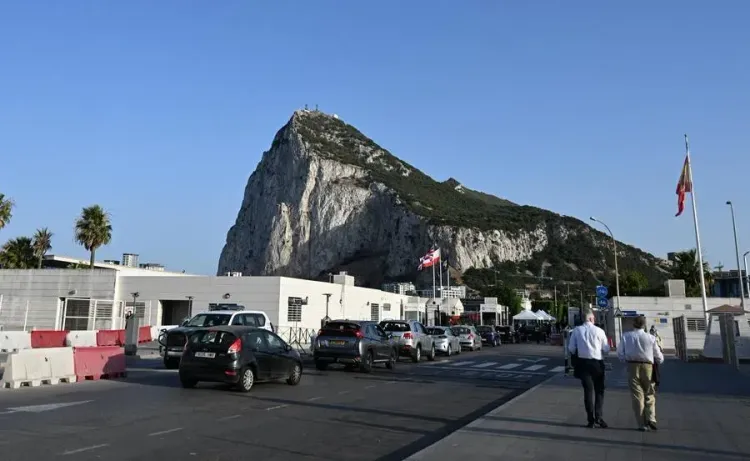
Hundreds of residents from Gibraltar and the neighbouring Spanish city of La Linea de la Concepcion gathered near the crossing before midnight in anticipation. Shortly after midnight, Ludwig van Beethoven's 'Ode to Joy' — the anthem of the European Union — was played near the frontier. The vehicle checkpoint had been removed, the doors of the pedestrian border-control office on the Gibraltar side stood open, and pedestrians, cars, and motorcycles began crossing without routine passport or identity checks.
What the Agreement Covers
The agreement, signed in Brussels on Tuesday, 14 July 2026, will significantly facilitate the movement of goods and workers between Gibraltar and Spain, deepening economic links between Gibraltar and the broader EU single market. According to a statement from the British government, the deal will remove barriers for more than 15,000 commuters who cross the land border every day.
The European Commission said the primary objective of the agreement is to secure the future prosperity of the entire region. 'It will promote shared prosperity and closer and more constructive relations between the Gibraltar and Spanish authorities, while fully safeguarding Schengen, the EU's Single Market and its Customs Union,' the Commission stated.
Years in the Making
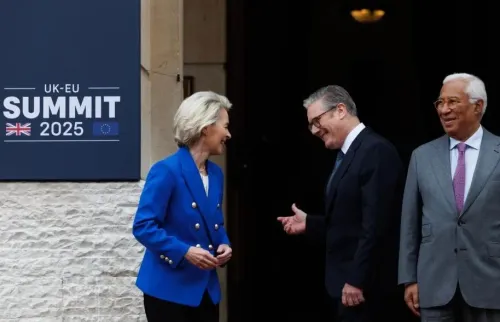
The issue has been under active discussion since Britain left the EU in 2020, when Gibraltar's land border with Spain became an acute post-Brexit flashpoint. Negotiations concluded in June 2025 with a broad framework involving all four parties: the EU, Britain, Spain, and Gibraltar. The Council of the EU authorised provisional application from 15 July 2026, though the agreement remains subject to consent from the European Parliament and completion of ratification by both sides — a process expected to advance this winter.
Gibraltar's Response
Gibraltar Chief Minister Fabian Picardo described the agreement as 'the beginning of a new era,' saying it would provide greater certainty for Gibraltar's economy. The territory, home to around 34,000 people, has long relied on cross-border labour from Spain, making fluid movement at the frontier critical to its financial services and tourism sectors.
What Comes Next
The agreement will be submitted to the European Parliament for consent this winter, after which formal ratification procedures must be completed by both the EU and British sides. Until full ratification, the provisional application — including the removal of routine border checks — remains in effect. The outcome will be closely watched as a test case for how post-Brexit arrangements can be pragmatically renegotiated between London and Brussels.
Point of View
And any political turbulence in Madrid or London could complicate it. Gibraltar's economy is structurally dependent on Spanish labour; six years of post-Brexit friction have already pushed some firms to reconsider their presence there. Provisional application buys time, but only full ratification locks in the gains Chief Minister Picardo is celebrating.
NationPress
14 Oct 2026
Frequently Asked Questions
Why were border checks lifted at Spain-Gibraltar on 15 July 2026?
Routine checks were lifted because a post-Brexit agreement between the EU and Britain entered provisional application on 15 July 2026. The deal, signed in Brussels the previous day, is designed to facilitate the movement of people and goods across the Spain-Gibraltar land border.
How many people does the Spain-Gibraltar border deal affect?
According to the British government, more than 15,000 commuters cross the Spain-Gibraltar land border every day. The removal of routine passport and identity checks is expected to significantly ease their daily movement.
Is the Spain-Gibraltar agreement fully ratified?
Not yet. The agreement is currently in provisional application, authorised by the Council of the EU from 15 July 2026. It still requires consent from the European Parliament — expected this winter — and completion of ratification procedures by both the EU and British sides.
What did Gibraltar Chief Minister Fabian Picardo say about the deal?
Fabian Picardo described the agreement as 'the beginning of a new era,' saying it would provide greater certainty for Gibraltar's economy. Gibraltar relies heavily on cross-border workers from Spain, making the deal particularly significant for the territory.
How long did negotiations for this agreement take?
Negotiations began after Britain left the EU in 2020 and concluded in June 2025 with a broad framework involving the EU, Britain, Spain, and Gibraltar. The provisional application came into effect on 15 July 2026, roughly six years after Brexit created the border issue.