Sri Lanka urges farmers to conserve water ahead of El Nino threat
Synopsis
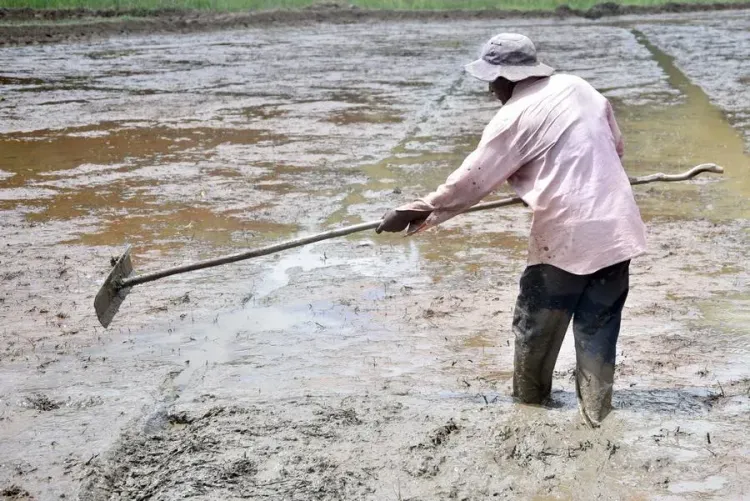
Sri Lanka is on drought watch. With the WMO placing an 80-90% probability on El Nino emerging this year — and officials warning the impact could stretch to February 2027 — the island's agriculture department is urging farmers to shift to short-term crops and ration water now, before the Yala season turns critical.
Key Takeaways
Sri Lanka's Department of Agriculture on 11 June urged farmers to conserve water and grow short-term crop varieties ahead of a potential El Nino event.
Ajith Wijemanna of the Department of Meteorology warned of sharply lower rainfall and possible drought in July and August , with risks to agriculture, water supply, energy, and public health.
If El Nino develops, its impact on Sri Lanka could last until February 2027 , according to officials.
The WMO estimates an 80 per cent chance of El Nino emerging between June and August, rising to 90 per cent thereafter.
Forecasts show a nearly 40 per cent chance of the system strengthening into a strong El Nino by November-January.
The last El Nino in 2023-2024 was one of the five strongest on record and drove record global temperatures in 2024.
Sri Lanka's Department of Agriculture on Thursday, 11 June urged farmers across the island to use water sparingly as the country braces for the possible impact of El Nino conditions that could bring lower rainfall and drought risks from as early as July 2025. The advisory comes amid growing meteorological concern that an El Nino event, if it develops, could affect Sri Lanka until as late as February 2027.
What the Agriculture Department Advised
Thushara Wickramaarachchi, director general of the Department of Agriculture, advised farmers to cultivate short-term crop varieties as a precautionary measure during the ongoing Yala farming season. He stressed that farmers should not be unnecessarily alarmed, but must manage water resources carefully and follow guidance from local agriculture officials.
The department said it was actively monitoring the situation and would issue further advice to farmers if weather conditions deteriorated. The Yala season, which runs roughly from May to August, is one of Sri Lanka's two main cultivation periods and is particularly vulnerable to dry spells.
Drought and Rainfall Risks Flagged by Meteorologists
A day earlier, on Wednesday, 10 June, a senior official at the Department of Meteorology warned that Sri Lanka could face significantly lower rainfall and possible drought conditions in July and August if El Nino develops. Ajith Wijemanna, acting director general of the department, said rainfall could fall sharply during those months, raising risks not just for agriculture but also for irrigation, water supply, energy generation, and public health.
Wijemanna noted that El Nino typically lasts nine to twelve months. He also flagged that forecasts indicate an almost 40 per cent chance of the system strengthening into a strong El Nino by November, December, and January.
Global Weather Body Puts Probability at 80-90 Per Cent
The World Meteorological Organisation (WMO), the United Nations weather agency, has assessed an 80 per cent probability that El Nino conditions will emerge between June and August, rising to 90 per cent thereafter. WMO Secretary-General Celeste Saulo, speaking at a press conference in Geneva, said, 'We need to prepare for a potentially strong El Nino event, which will exacerbate drought and heavy rainfall and increase the risk of heatwaves both on land and in the ocean.'
Saulo noted that the most recent El Nino, in 2023-2024, was one of the five strongest on record and contributed to record global temperatures in 2024. The WMO said it would carefully monitor conditions in the coming months to inform governments, humanitarian agencies, and climate-sensitive sectors, adding that advance seasonal forecasts and early warnings are vital to save lives and limit economic damage.
What This Means for Sri Lanka's Agriculture and Economy
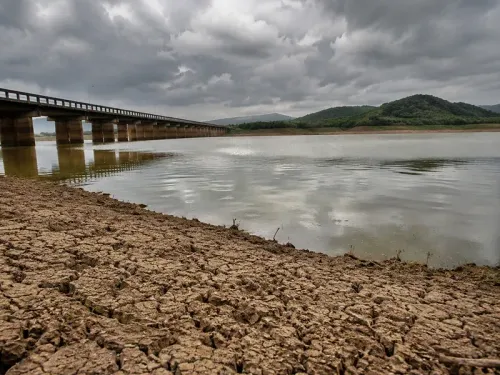
Sri Lanka's agriculture sector, still recovering from the severe economic crisis of 2022, is acutely sensitive to rainfall variability. A prolonged dry spell during the Yala season could reduce paddy and vegetable output, straining food supplies and pushing up domestic prices. Energy generation, heavily reliant on hydropower, would also be at risk if reservoir levels fall.
This comes amid a broader pattern of climate stress across South Asia, where erratic monsoons and extreme weather events have become more frequent. Officials say the key to mitigating damage lies in early action — shifting to drought-tolerant crops, rationing irrigation water, and activating contingency plans before conditions worsen.
Point of View
Leaving little room to pivot. The island's agriculture sector has barely stabilised after the 2022 economic collapse, and a rainfall deficit of the scale officials are describing would compound food and energy stress simultaneously. What is notable is that the advisory leans on precaution rather than panic, but the gap between official guidance and farmer-level implementation has historically been wide in Sri Lanka. The real test is whether early warnings translate into coordinated action on irrigation scheduling and crop diversification before July, not after the damage is done.
NationPress
20 Sept 2026
Frequently Asked Questions
Why is Sri Lanka urging farmers to conserve water?
Sri Lanka's Department of Agriculture has advised farmers to use water sparingly because the country may face lower rainfall and drought conditions if El Nino develops, particularly during July and August. Officials are encouraging a shift to short-term crop varieties as a precautionary measure during the ongoing Yala farming season.
What is El Nino and how could it affect Sri Lanka?
El Nino is a periodic warming of the central and eastern Pacific Ocean that disrupts normal weather patterns globally. For Sri Lanka, it could mean significantly reduced rainfall from July onwards, raising risks for agriculture, irrigation, water supply, hydropower generation, and public health, with impacts potentially lasting until February 2027.
What probability has the WMO assigned to El Nino developing?
The World Meteorological Organisation has placed an 80 per cent probability on El Nino conditions emerging between June and August 2025, rising to 90 per cent thereafter. There is also an estimated 40 per cent chance of it strengthening into a strong El Nino by November through January.
How long could El Nino's impact last in Sri Lanka?
According to Ajith Wijemanna, acting director general of Sri Lanka's Department of Meteorology, El Nino typically lasts nine to twelve months. If it develops this year, its effects on Sri Lanka could continue until February 2027.
What was the impact of the last El Nino event?
The most recent El Nino, which occurred in 2023-2024, was one of the five strongest on record. WMO Secretary-General Celeste Saulo noted it contributed to record-breaking global temperatures in 2024 and exacerbated drought and extreme rainfall events worldwide.