Has traffic on the Srinagar-Jammu highway been restored after heavy snowfall?
Synopsis
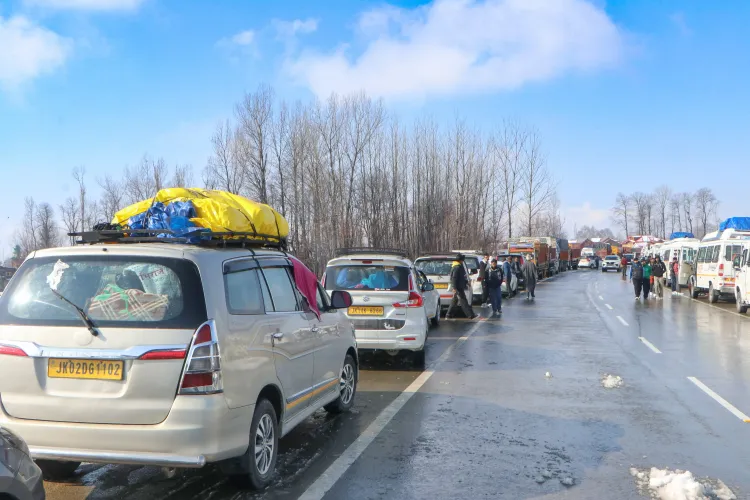
Authorities have confirmed the restoration of traffic on the Srinagar-Jammu national highway following heavy snowfall, prioritizing the release of stranded vehicles. Flight operations at Srinagar International have also resumed, while warnings remain for travelers on other regional roads. Stay informed about winter weather conditions and safety advisories.
Key Takeaways
Traffic on the Srinagar-Jammu highway has been restored.
Flight operations at Srinagar International Airport resumed, with some cancellations.
Travelers should check road conditions before heading out.
Weather forecasts predict more rain and snow in the coming days.
Farmers are advised to halt agricultural activities temporarily.
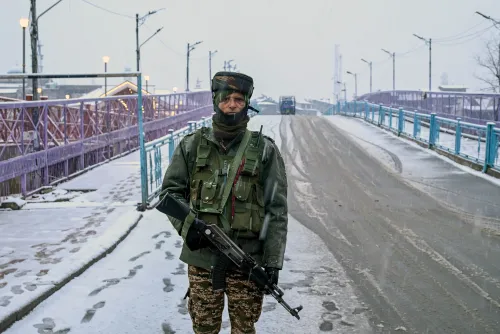
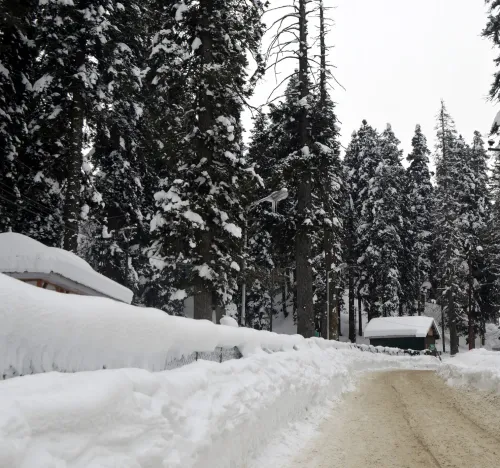
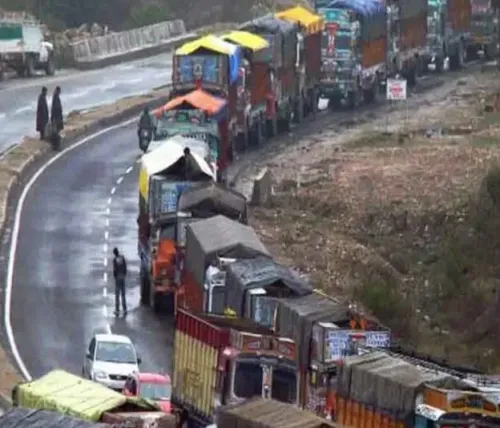
Srinagar, Jan 25 (NationPress) On Sunday, officials confirmed that the Srinagar-Jammu national highway in Jammu and Kashmir has been reopened for traffic, with special attention being directed towards vehicles that were stranded on the road.
The highway had been closed on January 23 due to significant snowfall on both sides of the Navyug tunnel.
Flight operations have also been restored at Srinagar International Airport, with the exception of three flights canceled due to a NOTAM issued in Delhi. Normal flight operations resumed on Sunday.
However, the Srinagar-Leh highway, Mughal Road, and routes through Sinthan and Razdan Pass remain closed, and travelers are advised to contact the traffic department control room before planning any journeys on these routes.
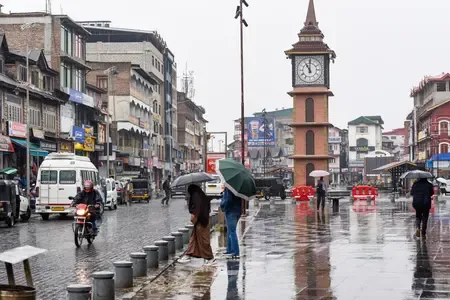
The Meteorological Department has predicted light rain and snow in isolated areas, with light to moderate precipitation expected across most regions, and moderate to heavy snowfall anticipated in some areas, along with thunderstorms and gusty winds from January 26 to January 27.
Farmers are advised to pause their agricultural activities until January 28. The public in snow-affected higher terrains should refrain from venturing into unstable and avalanche-prone zones.
Current temperatures recorded include Srinagar at -1.6°C, Gulmarg at -10.2°C, and Pahalgam at -6.2°C. In Jammu, temperatures are slightly higher, with the city at 7.1°C, Katra at 6.2°C, Batote at -0.1°C, Banihal at -2°C, and Bhaderwah at -4°C.
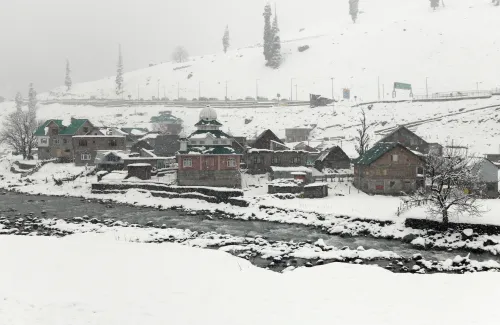
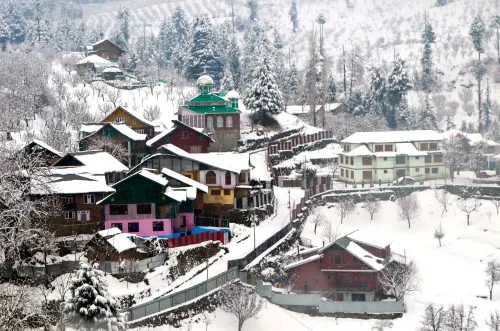
This recent snowfall, following an extended dry spell, has alleviated concerns among farmers and the general populace, as the heavy accumulation in mountainous areas will help sustain rivers, streams, springs, wells, and lakes during the warmer summer months.
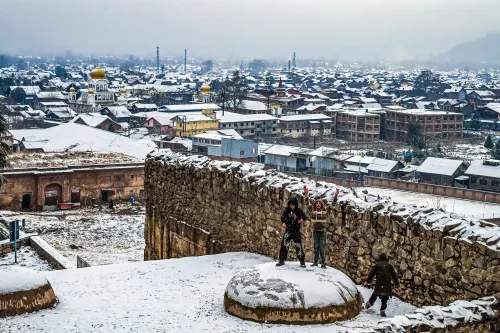
The plains of the Valley received their first snowfall of the season on January 23.
The harsh winter phase known locally as 'Chilla kalan' commenced on December 21 and will continue until January 30.
Point of View
The reopening of the Srinagar-Jammu highway signifies a crucial step towards restoring normalcy in transportation following adverse weather conditions. The authorities are prioritizing the safety of travelers while maintaining an efficient response to weather-related challenges. It is essential for the public to stay informed and heed advisories issued by the traffic department.
NationPress
28 Sept 2026
Frequently Asked Questions
What caused the closure of the Srinagar-Jammu highway?
The highway was closed due to heavy snowfall on both sides of the Navyug tunnel.
Are flights operating normally at Srinagar International Airport?
Yes, flight operations have resumed, except for three flights that were canceled due to a NOTAM in Delhi.
Which roads are still closed due to the weather?
The Srinagar-Leh highway, Mughal Road, and routes through Sinthan and Razdan Pass are still closed.
What is the weather forecast for the coming days?
The Meteorological Department has forecast light rain and snow across various regions from January 26 to January 27.
What should farmers do during this weather condition?
Farmers are advised to suspend farming activities until January 28 due to adverse weather.