Are Inclusive Technology Business Incubators Enhancing the Innovation Ecosystem in Universities?
Synopsis
In a recent meeting, Dr. Jitendra Singh emphasized the pivotal role of Inclusive Technology Business Incubators in fostering innovation within universities. With 15 i-TBIs established, the initiative aims to democratize entrepreneurship, especially in less urbanized areas, showcasing India's shift towards becoming a technology creator.
Key Takeaways
15 Inclusive Technology Business Incubators have been established across India.
The initiative aims to democratize innovation and entrepreneurship.
DTU i-TBI emphasizes women-led innovation .
Startup Ignition Grants are designed to support early-stage startups.
Government frameworks are targeting innovation in smaller towns .
New Delhi, Jan 2 (NationPress) The Inclusive Technology Business Incubators (i-TBI) set up by the Department of Science & Technology (DST) in various universities and higher education institutions are bolstering the innovation ecosystem within academic settings, remarked Dr. Jitendra Singh, the Union Minister of State (Independent Charge) for Science and Technology.
He noted that the DST has launched 15 i-TBIs throughout the nation to democratize innovation and entrepreneurship, extending beyond major urban centers.
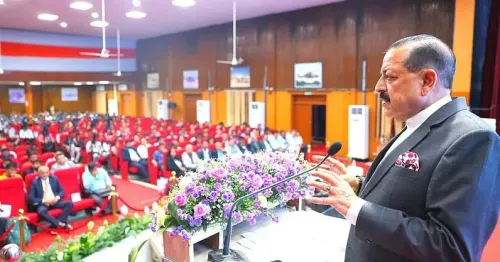
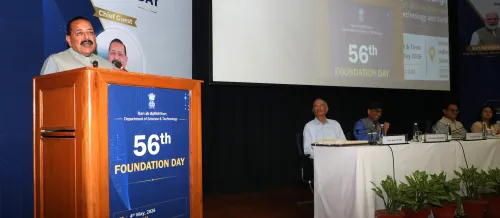
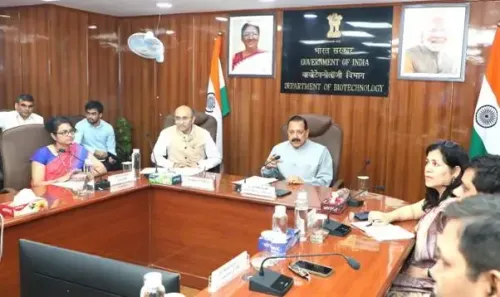
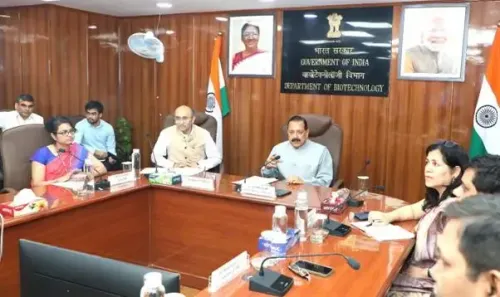
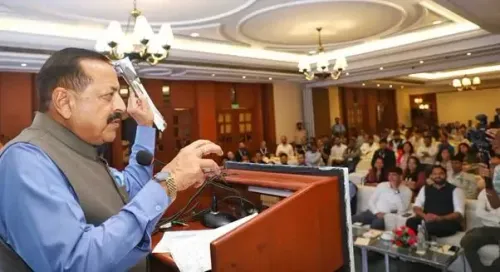
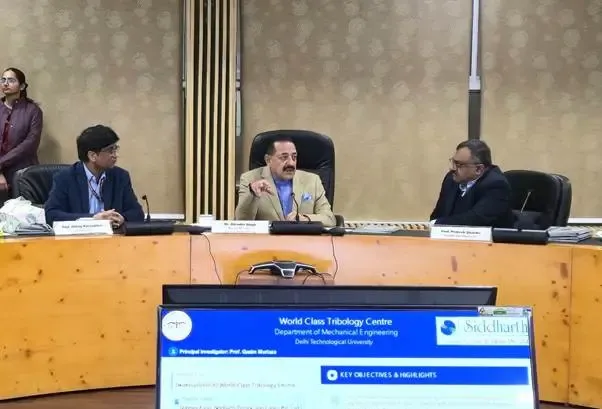
Dr. Singh made these remarks during a review meeting concerning DST-supported i-TBIs at Delhi Technological University.
“The DTU i-TBI is a prime example of an incubator that effectively transitions academic concepts into marketable products, with particular emphasis on inclusivity and women-led innovation,” he stated.
To date, the DTU i-TBI has successfully nurtured 15 startups, showcasing the rising entrepreneurial spirit within the university landscape.
During this event, three startups received Startup Ignition Grants totaling Rs 5 lakh each under the DST-NIDHI initiative, aimed at facilitating their progression from concept to prototype and early commercialization.
These grants serve as a catalyst, fostering risk-taking and innovation among aspiring entrepreneurs, according to the Minister.
“Under the guidance of Prime Minister Narendra Modi, there has been an unparalleled focus on science, technology, and innovation over the past decade. He emphasized that India has transitioned from being a mere consumer of technology to becoming a technology creator, supported by structured frameworks throughout the entire innovation process—from research infrastructure and academic excellence to incubation, startups, and industry partnerships,” Singh commented.
The Minister also underscored the significance of universities transforming into innovation and entrepreneurship hubs rather than sticking to traditional teaching and research roles.
He urged academic institutions to actively collaborate with the industry, draw private investment, and explore diverse funding avenues while utilizing government initiatives like FIST, PURSE, and NIDHI to enhance their research and innovation prowess.
“The government has established enabling frameworks to ensure that innovation opportunities reach smaller towns and aspirational districts as well,” Singh added.
He remarked that transparency, merit-based selection, and inclusive outreach have fostered confidence among young innovators nationwide, leading to a democratization of both scientific capability and aspirations.
Point of View
The establishment of Inclusive Technology Business Incubators represents a progressive step towards fostering innovation and entrepreneurship in India's academic institutions. As Dr. Jitendra Singh noted, the focus on inclusivity and support for women-led initiatives is particularly commendable. These efforts not only enhance the university ecosystem but also signal a broader move towards a more innovative and economically resilient India.
NationPress
30 Sept 2026
Frequently Asked Questions
What are Inclusive Technology Business Incubators?
Inclusive Technology Business Incubators (i-TBIs) are initiatives established by the Department of Science & Technology to support innovation and entrepreneurship in universities across India.
How many i-TBIs have been set up in India?
Fifteen i-TBIs have been established throughout various regions in India to promote democratic access to innovation.
What is the role of the DTU i-TBI?
The DTU i-TBI facilitates the transformation of academic ideas into market-ready solutions, with a focus on inclusivity and women-led innovation.
What financial support is available for startups?
Startups can receive Startup Ignition Grants of Rs 5 lakh each under the DST-NIDHI framework to assist in their development from idea to prototype.
How is the government supporting innovation in smaller towns?
The government has created frameworks to ensure that innovation opportunities extend to smaller towns and aspirational districts, promoting broader access to entrepreneurial resources.