Will the Next Generation Connect with Vande Mataram?
Synopsis
In a poignant appeal, Sudha Murty emphasizes the importance of Vande Mataram for future generations. Amidst a heated parliamentary debate, she advocates for its inclusion in school curricula, stressing its role in fostering patriotism and cultural heritage. Will future generations embrace this vital national anthem?
Key Takeaways
Vande Mataram is a vital part of India's cultural identity.
Sudha Murty advocates for its inclusion in educational curricula.
The song symbolizes the struggle for independence and unity.
The parliamentary debate highlighted differing historical interpretations.
Future generations must connect with national pride and heritage.
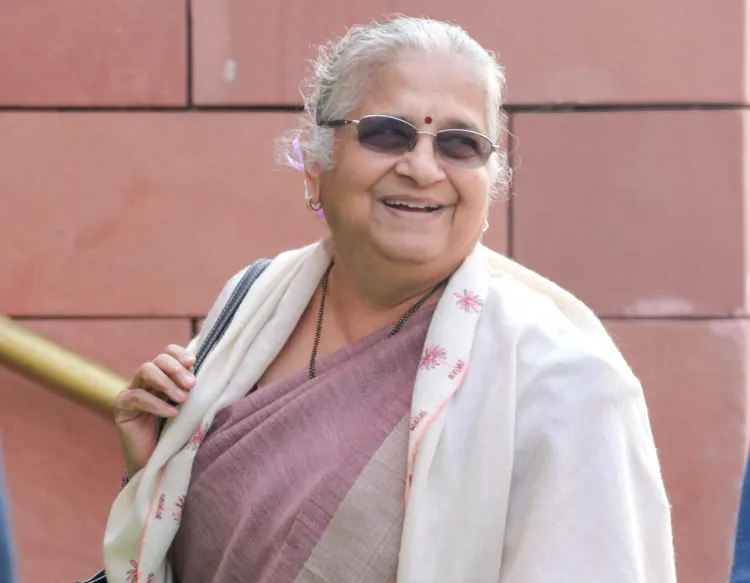
New Delhi, Dec 12 (NationPress) In the midst of a debate surrounding Vande Mataram, Rajya Sabha MP Sudha Murty expressed her hope that future generations will resonate with the national anthem and take pride in it.
Speaking to IANS outside the Parliament, Sudha Murty remarked, “I cherished Vande Mataram during my childhood. It was profoundly patriotic and intricately linked to India’s struggle for freedom. I wish for the younger generation to experience the same connection.”
On Tuesday, Murty called on the Union government to make Vande Mataram a mandatory part of the primary and secondary school curriculum, stating that it is vital for nurturing patriotism and safeguarding the nation’s cultural heritage.
During a discussion in the Upper House commemorating the 150th anniversary of the song, Murty said she spoke “not just as an MP, philanthropist, or author, but as a daughter of Mother India.”
Describing India as a “quilt of many colors,” she added, “The thread and needle stitching them together is Vande Mataram.” She highlighted that the concept of the motherland transcends mere maps and flags: “It is not just a piece of land; it is our motherland.”
Murty pointed out that while children learn the national anthem Jana Gana Mana, they are not introduced to Vande Mataram. “It requires just three additional minutes to teach Vande Mataram,” she noted.
Reflecting on the song’s significance during the freedom movement, Murty stated it acted as a rallying cry at a time when people felt “disheartened” under colonial rule. “Vande Mataram erupted like a volcano… It was a magical force that compelled even the timid to stand tall,” she recounted, sharing stories from her native Hubli about local resistance against British rule.
She emphasized that the song represents sacrifice and the challenging journey to independence. “We did not gain our freedom effortlessly. Many people sacrificed their lives. That struggle is intertwined with Vande Mataram,” she remarked.
Urging the Education Ministry to take necessary measures, Murty insisted that the song should be introduced during children’s formative years. “Patriotism is always accompanied by compassion, sacrifice, and care for the land. Vande Mataram encapsulates all of this,” she added.
For generations, Vande Mataram—a reverence for India as the motherland—has acted as both an emotional and ideological cornerstone of the freedom movement. Composed by Bankim Chandra Chattopadhyay and later integrated into his novel Anandamath in the early 1880s, the song ignited patriotic zeal and united various factions against British domination. This year marks 150 years since its inception.
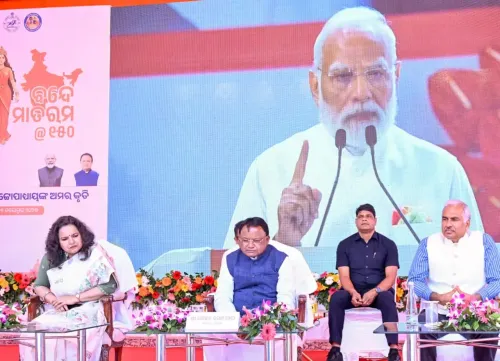
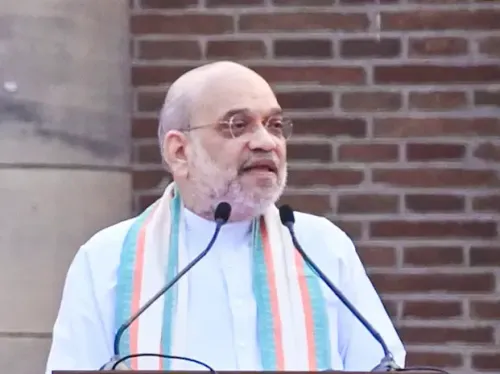
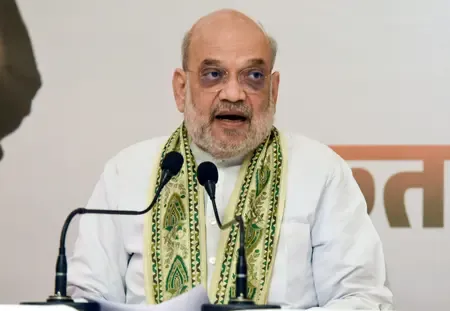
However, the parliamentary sessions held this week to celebrate the anniversary deviated significantly from a unified celebration. Instead of being a moment of collective joy, the debate became contentious. Senior BJP leaders, including the Prime Minister in the Lok Sabha and Home Minister Amit Shah in the Rajya Sabha, contended that the Indian National Congress’s 1937 decision to restrict the song’s usage fueled communal strife that ultimately led to Partition. They claimed that political concessions surrounding the song empowered the Muslim League and bolstered its demand for Pakistan.
The Opposition vehemently contested these claims. Congress MP Priyanka Gandhi Vadra, addressing the Lok Sabha, and party president Mallikarjun Kharge, speaking in the Rajya Sabha, contextualized historical decisions made by national leaders and questioned the necessity of revisiting long-resolved issues. Vadra argued that Parliament should prioritize pressing contemporary matters rather than reopening historical debates. Kharge similarly criticized what he termed attempts to weaponize history for political advantage.
Point of View
It is crucial to highlight Sudha Murty's appeal for Vande Mataram. This underscores the need for unity and cultural pride in our nation. The debate surrounding its relevance today showcases the complexities of our history and the importance of fostering a collective identity among future generations.
NationPress
11 Oct 2026
Frequently Asked Questions
What is Vande Mataram?
Vande Mataram is a national song of India, written by Bankim Chandra Chattopadhyay, symbolizing the country's struggle for independence and reverence for the motherland.
Why did Sudha Murty call for Vande Mataram in schools?
Sudha Murty believes that teaching Vande Mataram in schools is essential for instilling a sense of patriotism and preserving India's cultural memory among the youth.
What historical significance does Vande Mataram hold?
Vande Mataram served as a rallying cry during India's freedom struggle, uniting diverse groups against colonial rule and igniting patriotic fervor.
How did the parliamentary debate on Vande Mataram evolve?
The debate diverged from collective celebration to contentious arguments, with senior BJP leaders attributing communal tensions to historical decisions regarding the song's usage.
What was the response from the Opposition during the debate?
The Opposition, represented by Congress leaders, rejected claims made by BJP leaders and emphasized the need to focus on current issues rather than revisiting historical debates.