Super El Niño may cause 15,800 extra deaths in India, 451,000 globally: Study
Synopsis
A Climate Impact Lab report warns that this year's 'Super El Niño' — potentially the strongest ever — could kill 451,000 people from extreme heat alone, with India accounting for 15,800 of those deaths. The findings reframe El Niño not just as a weather event but as a preview of what unchecked climate change delivers as routine within two decades.
Key Takeaways
The Climate Impact Lab projects 451,000 deaths globally from extreme heat during just the first half of this year's Super El Niño .
India is projected to face 15,800 additional heat deaths , among the highest country-level figures outside Africa.
Nigeria faces the largest national toll at 31,400 deaths, part of 66,800 projected across the Sahel .
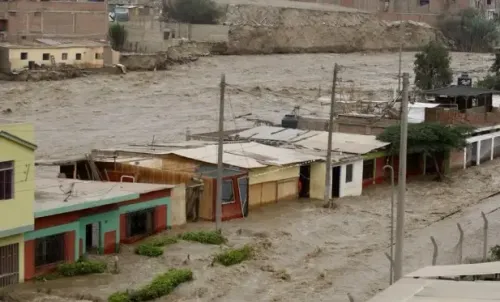
The projected toll is approximately 65 times larger than the 6,800 dead or missing from the recent Nepal flash floods .
Researchers describe this El Niño as a 'postcard from our future' — mirroring temperatures climate change will deliver within 20 years .
The Lab's Adaptation Inventory identifies peer-reviewed interventions — including cooling centres and early warning systems — that could avert tens of thousands of deaths.
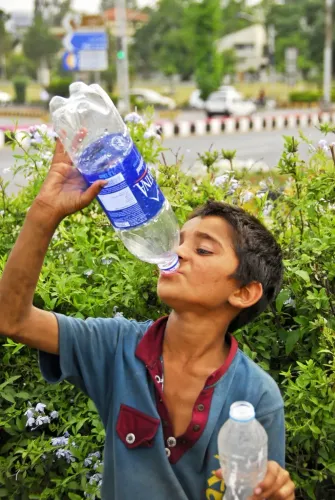
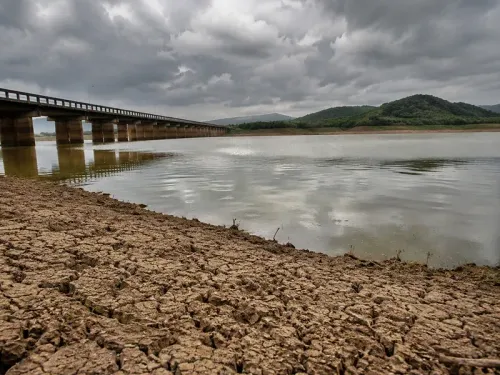
A new report by the Climate Impact Lab, released on Wednesday, 23 September, projects that this year's 'Super El Niño' — potentially the strongest on record — could lead to 451,000 deaths from extreme heat globally in the coming months, with India alone facing an estimated 15,800 additional fatalities. The findings go beyond the well-documented threats of drought, flooding, and wildfires, zeroing in on direct heat mortality as a central and under-addressed dimension of El Niño's toll.
Scale of the Projected Death Toll
The 451,000 deaths projected during just the first half of the El Niño cycle are approximately 65 times larger than the 6,800 people reported dead or missing from the recent flash floods in Nepal. According to the report, the casualties will be concentrated overwhelmingly in the Global South, where adaptive capacity is lowest and heat exposure is most severe.
In Africa's Sahel region, an estimated 66,800 additional deaths are projected over the next six months. Nigeria accounts for nearly half of that figure, with 31,400 projected deaths. Sudan faces 17,500 additional heat deaths, Niger faces 10,000, and Chad faces 8,000.
In Southeast Asia, the combined toll across the Philippines, Vietnam, Thailand, and Cambodia is projected at 19,400, while Indonesia faces 19,300. In South America, Brazil is the hardest-hit nation with 13,300 projected deaths.
India's Exposure and Risk
India is projected to record 15,800 additional heat-related deaths attributable to Super El Niño conditions — a figure that does not include the secondary impacts of associated droughts or floods. The country's large population, high outdoor workforce, and significant rural heat exposure make it especially vulnerable to extreme temperature events of this scale.
Notably, this El Niño is described in the report as a 'postcard from our future' — bringing temperatures that climate change models project will become the norm within approximately 20 years, even without an El Niño event. In that framing, the current emergency also doubles as a stress test of adaptation infrastructure.
What Experts Said
Michael Greenstone, co-founder of the Climate Impact Lab and the Milton Friedman Distinguished Service Professor in Economics at the University of Chicago, said: 'We have long been able to predict the impacts of temperatures on crops, and now we can predict their impact on the worst outcome — death. The result is that we now can estimate that 451,000 people may die in the coming months due to El Niño. This is such a large number that it can be numbing, but it is made up of parents and children, grandparents and neighbours, people going to work, caring for families, and living their lives.'
Greenstone added that the report 'allows decision-makers to see exactly where emergency actions can be taken now to save tens of thousands of lives in the coming months.'
Report co-author Tamma Carleton, Faculty Head of Research for the Climate Impact Lab and an Assistant Professor at the University of California, Berkeley, cautioned against treating extreme heat as a permanent emergency: 'Increasing emergency response and better targeting our efforts can save many lives this year. But 20 years from now, once today's extreme temperatures become the new normal, we don't want to be in a constant state of emergency. We need to mobilize resources now to design, deploy, and evaluate the preparation and planning tools that will save lives in the years ahead.'
Adaptation Measures and Immediate Priorities
The Climate Impact Lab's Adaptation Inventory offers a regularly updated, peer-reviewed evidence base of interventions proven to reduce heat mortality. These include early warning systems, cooling centres, and protections for outdoor workers — measures that the report says are already being deployed in some regions but require much greater scale and targeting.
The Lab emphasises that mortality from extreme temperatures must be treated as central to El Niño preparedness, alongside existing food security efforts. Longer-term adaptation planning under consideration includes more accurate temperature forecasting and wider access to cooling technologies.
What Comes Next
The Climate Impact Lab's ongoing research aims to identify scalable interventions for the most vulnerable geographies. Governments and international agencies have been urged to direct emergency resources toward the high-priority regions identified in the report, where targeted action could, according to the researchers, avert tens of thousands of deaths over the coming months.
Point of View
It shifts the policy conversation from abstract climate risk to a concrete, addressable body count. India's 15,800 figure deserves particular scrutiny — the country has an expanding urban heat island problem, a large outdoor workforce with minimal legal protection, and cooling infrastructure that remains unequally distributed. The report's most under-reported finding may be its '20-year postcard' framing: if today's El Niño-level heat becomes routine by the mid-2040s, the adaptation window is far shorter than most national climate plans acknowledge.
NationPress
23 Sept 2026
Frequently Asked Questions
What is the Super El Niño and why is it dangerous?
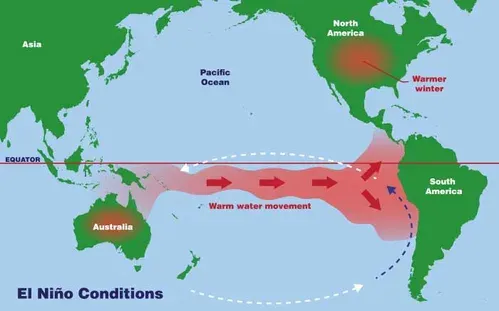
Super El Niño refers to an exceptionally strong warming of surface temperatures in the central and eastern Pacific Ocean, which disrupts global weather patterns. This year's event is projected to be the strongest on record, bringing extreme heat, droughts, floods, and wildfires — and, according to the Climate Impact Lab, an estimated 451,000 heat deaths globally in just the first half of the event.
How many deaths is India projected to face due to El Niño heat?
India is projected to see 15,800 additional deaths attributable to extreme heat from this year's Super El Niño, according to the Climate Impact Lab report released on 23 September. This figure covers heat mortality directly and does not include deaths from associated droughts, floods, or wildfires.
Which countries are most affected by El Niño heat deaths?
The hardest-hit region is Africa's Sahel, with 66,800 projected deaths — nearly half in Nigeria alone (31,400). Sudan faces 17,500, Niger 10,000, and Chad 8,000. In Southeast Asia, the Philippines, Vietnam, Thailand, and Cambodia together face 19,400 deaths, while Indonesia faces 19,300. Brazil leads in South America with 13,300, and India faces 15,800.
What actions can reduce El Niño heat deaths?
The Climate Impact Lab's Adaptation Inventory identifies several proven interventions, including early warning systems, cooling centres, and legal protections for outdoor workers. Researchers say directing emergency resources toward the highest-risk regions identified in the report could avert tens of thousands of deaths over the coming months.
Why do researchers call this El Niño a 'postcard from our future'?
The Climate Impact Lab found that this year's El Niño is bringing temperatures that climate models project will become the norm — without any El Niño — within approximately 20 years, due to ongoing climate change. This makes the current event both an acute emergency and a live demonstration of what routine conditions could look like by the mid-2040s without significant adaptation investment.