UP municipal voter rolls: Supreme Court declines PIL on errors
Synopsis
The Supreme Court declined a petition seeking collective corrections to municipal voter rolls across Uttar Pradesh, saying affected voters should ordinarily approach the competent authorities individually.
Key Takeaways
The Supreme Court declined to entertain a PIL concerning municipal electoral rolls across Uttar Pradesh on 23 November .
The petition alleged that changes to residents’ house numbers were not reflected in municipal voter lists.
The bench led by Chief Justice of India Surya Kant said the right to seek an electoral-roll correction was personal.
The petitioner sought alignment of municipal rolls with lists prepared for Lok Sabha and Assembly elections.
The court said affected individuals should ordinarily approach the competent election authorities under the applicable rules.
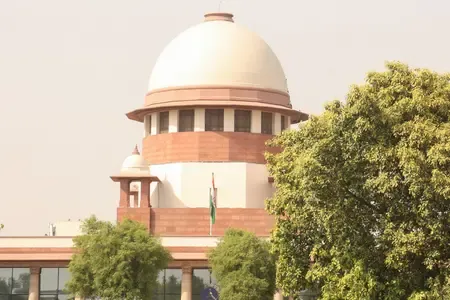
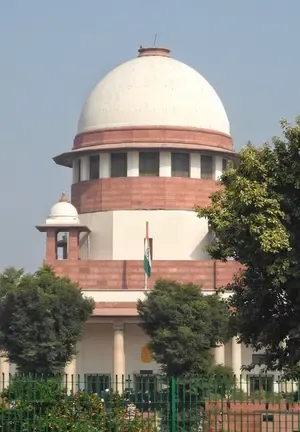
The Supreme Court on 23 November declined to entertain a public interest litigation seeking corrections to house-number discrepancies in municipal electoral rolls across Uttar Pradesh. A bench led by Chief Justice of India Surya Kant said affected voters should approach the competent authorities individually under the applicable rules.
The petition argued that changes to residents’ house numbers had not been reflected in municipal voter lists and sought greater consistency with the rolls used for Lok Sabha and Assembly elections.
Why the Supreme Court declined the PIL
The bench, which also included Justices Joymalya Bagchi and V. Mohana, questioned whether a public interest litigation was maintainable for the corrections sought. It observed that the right to seek a correction to an electoral-roll entry was personal in nature.
“The right to correct an electoral roll is personal. In the municipal list also, there will be certain rules. Let the individuals approach the authorities. But on a collective basis, it can only be when it is done across the state,” the bench observed.
The court said complaints about incorrect house numbers or other particulars in electoral rolls should ordinarily be raised by the affected individuals before the competent election authorities under the relevant rules.
Discrepancies raised in the petition
The petitioner contended that several residents had seen their house numbers change, but that the corresponding entries had not been corrected in municipal electoral rolls. The plea described discrepancies in voter lists across Uttar Pradesh arising from those changes.
It also claimed that representations seeking corrections had been submitted to the authorities concerned but had not resulted in corrective action. The source does not identify the petitioner or specify how many residents or entries were affected.
Call to align electoral lists
The petition sought directions to align municipal electoral rolls with the electoral lists prepared for Lok Sabha and Assembly elections. Its argument was that consistency between the databases would prevent confusion and inconvenience for voters.
The court’s observations addressed the route for seeking corrections: individual voters, it said, should ordinarily take their complaints to the competent authorities. The bench also referred to the possibility of a collective case where an issue was present across the state.
What affected voters can do
For residents who believe their house number or another electoral-roll particular is incorrect, the court identified an individual approach to the competent election authorities as the ordinary course. The applicable rules for municipal lists would govern that process, the bench observed.
The account of the hearing does not set out a deadline for corrections or identify any further proceedings. The focus now rests on whether affected voters pursue individual complaints before the authorities under the applicable rules.
Point of View
But it can also leave the scale of recurring errors difficult to assess. The petition’s claim that representations produced no corrective action deserves attention from the authorities, even though the court declined to entertain the PIL. Transparent complaint tracking and timely responses would help voters judge whether the existing process works.
NationPress
23 Nov 2026
Frequently Asked Questions
What did the Supreme Court decide on UP municipal voter rolls?
The Supreme Court declined to entertain a PIL seeking corrections to house-number discrepancies in municipal electoral rolls across Uttar Pradesh. The bench questioned whether the matter was maintainable as a public interest litigation.
Why did the court say voters should approach authorities individually?
The bench said the right to seek correction of an electoral-roll entry was personal. It observed that affected individuals should ordinarily approach the competent election authorities under the applicable rules.
What errors did the petition allege in municipal voter lists?
The petition alleged that changed house numbers had not been properly reflected in municipal electoral rolls. It also claimed that representations to the authorities had failed to produce corrective action.
Did the PIL seek alignment with Lok Sabha and Assembly rolls?
Yes, the PIL sought alignment of municipal electoral rolls with the lists prepared for Lok Sabha and Assembly elections. The petitioner argued that consistency would prevent confusion and inconvenience for voters.
What can affected voters do next?
Affected voters can approach the competent election authorities individually under the applicable rules, according to the court’s observations. The account of the hearing does not specify a deadline for corrections.